Fast garage door repair in Sioux FallsCall (605) 340-2413
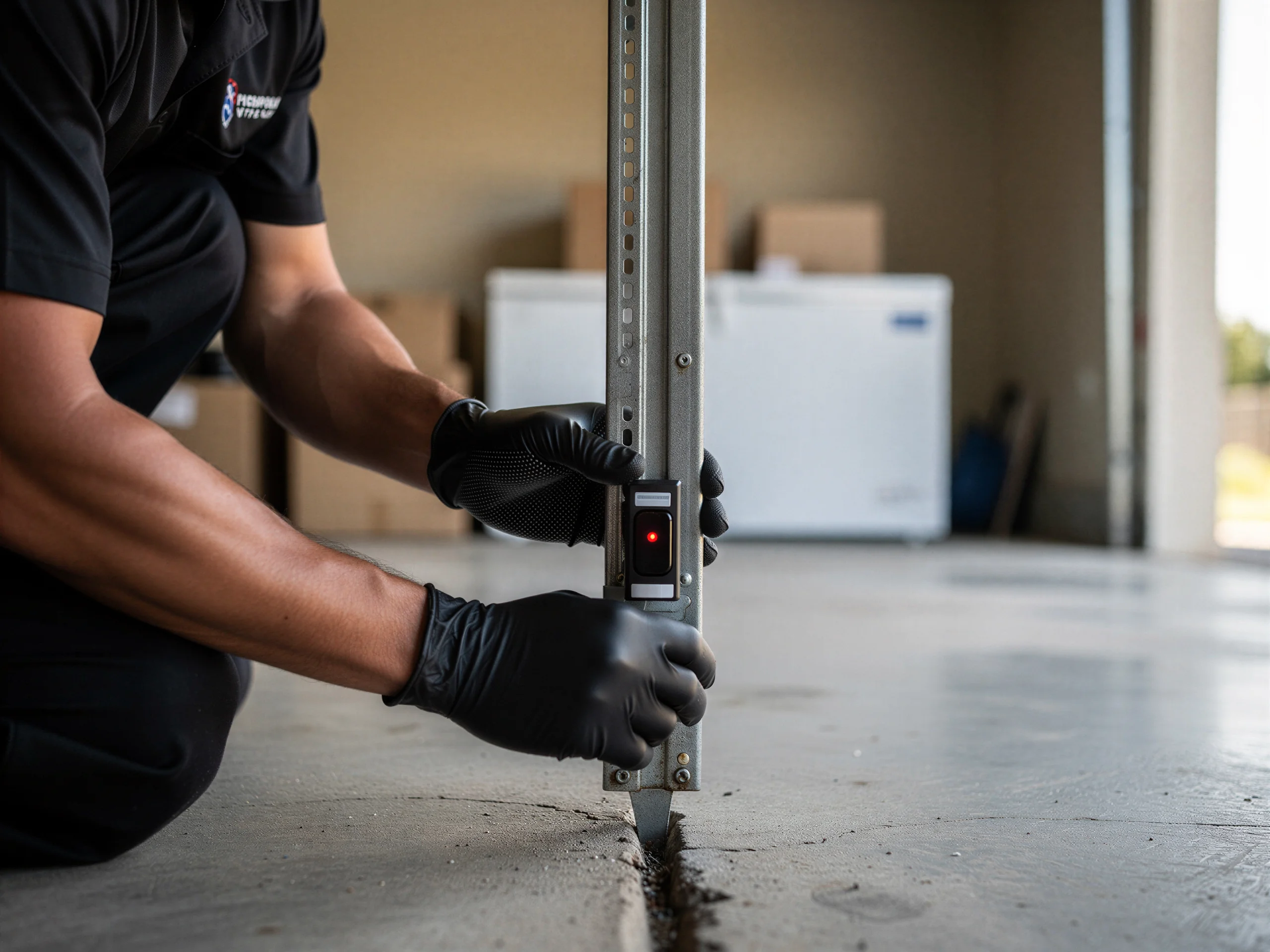
A technician in black gloves adjusts a garage door safety sensor.

Tea, Sioux Falls

Opener Repair for Tea's Newer Housing Stock

Tea's houses mostly went up after 2002, so the openers failing now are circuit-board units, not the old relay boxes. We drive out from Sioux Falls to fix them.

Serving Sioux Falls, SDBackground-checked techsHonest, upfront pricingFast local response

Local causes

What Causes It Around Here

Serving Sioux Falls, SD

Household income in this service area runs well above the regional median - $96,228 across the wider area we cover, with Tea itself higher still - and that shows up in the doors themselves: bigger, heavier insulated panels on openers that were often sized correctly when installed but are now working harder as weatherstripping ages and winters add resistance. South Dakota's cold band is severe, and an opener rated for a certain door weight starts to strain when the door itself gets stiffer in January. On a 2002-era build, that opener has had fifteen-plus winters of cold-start cycling, and board failures cluster right around that age regardless of how well the unit was maintained. The other local pattern: newer subdivisions got openers installed as part of the original build, often the builder-grade unit rather than a homeowner's choice, and those units reach end-of-life in a tight band of years - which is part of why we're seeing a run of board failures in Tea right now rather than a scattered mix of ages.

DIY or pro

Can You Do This Yourself

Some of this is within reach for a homeowner. Cleaning a photo-eye lens, checking that both sensors have a solid light with nothing in the beam path, and replacing a remote battery - all fair game, and worth trying before you call anyone.

Remote reprogramming is safe

Reprogramming a remote following the manufacturer's button sequence is also usually safe to attempt yourself. Where we'd tell you to stop: anything involving the logic board itself, the force or travel limit settings, or the high-voltage side of the unit.
Board settings can hurt

Opener boards hold settings that, if set wrong, can make a door come down with enough force to be dangerous, especially on the heavier insulated doors common on newer Tea builds.

Board or wiring fault

If you've already tried the sensor and battery checks and the door still won't respond, that's the point where it's a board or wiring issue, not a settings issue, and it's not a safe place to keep guessing.

Our process

How We Fix It

We start with the board and the sensors before we touch the motor, because on a unit this age that's where the fault usually lives.

  1. Photo-eye check first

    We check the photo-eye alignment first - a door that reverses on its own, or won't close at all, is very often just a sensor an inch out of true or a lens fogged with garage dust. If the board itself has failed, we replace it rather than trying to patch a trace; boards on openers from this era are modular enough that swapping the logic board is a clean fix, not a rebuild.

  2. Limits tested after swap

    We test the travel limits and force settings after any board swap, because a mismatched setting is what makes a newly-fixed opener slam or stall on the next cold morning. If the issue is the drive gear or the chain/belt itself - common once an opener from the early 2000s hits fifteen-plus years of daily cycles - we replace that part on the spot from the truck.

  3. Resetting memory after surge

    We also reset and re-pair remotes and keypads as part of the same visit, since a surge that kills a board often wipes the memory too. We don't guess at a part and come back twice; we diagnose on site and carry what this generation of openers actually needs.

Watch-outs

Where This Job Goes Sideways

Tea is a young town by garage door standards. Median year built here is 2002, which puts most openers in this service area on logic boards and photo-eye safety sensors rather than the older mechanical relay units you'd find on a house from the 1970s or 80s.

Board failures, not gears

That sounds like it should mean fewer problems, but it means a different set of problems. The failure isn't usually a worn-out gear on a chain drive that's been grinding for twenty years - it's a board that's taken a power surge, a safety sensor knocked out of alignment during a remodel, or a logic board losing sync with the remote after a lightning strike.

Cold shortens board life

South Dakota's winters are hard on these boards too. Cold-soaked capacitors and temperature swings inside an unheated garage shorten the life of circuit boards faster than most owners expect, even on units installed in the last ten to fifteen years.

Lost remotes and manuals

The other thing that goes sideways in a newer subdivision like this: openers get reprogrammed, remotes get lost, and nobody can find the manual because the house has changed hands twice since 2002. We see openers that are mechanically fine but electronically locked out from a bad pairing attempt or a dead coin battery in a wall control. It's rarely the motor. It's almost always the electronics around it.

On the truck

Parts We Carry

We carry logic boards, photo-eye sensor pairs, drive gears, belts and chains, and remotes/keypads compatible with the chain and belt-drive openers that are standard on houses built from the late 1990s through the 2000s - which covers most of Tea's housing stock. What we don't stock on the truck: boards for openers older than that generation, since parts supply for those has thinned out and some models are no longer made at all. If your opener predates 2000, it's worth asking us whether replacement makes more sense than a repair, since a board for an obsolete unit can take longer to source than it would take to put in a new opener. We travel to Tea from Sioux Falls, about 8 miles, so we bring a stocked parts case rather than running back for a single part mid-job.

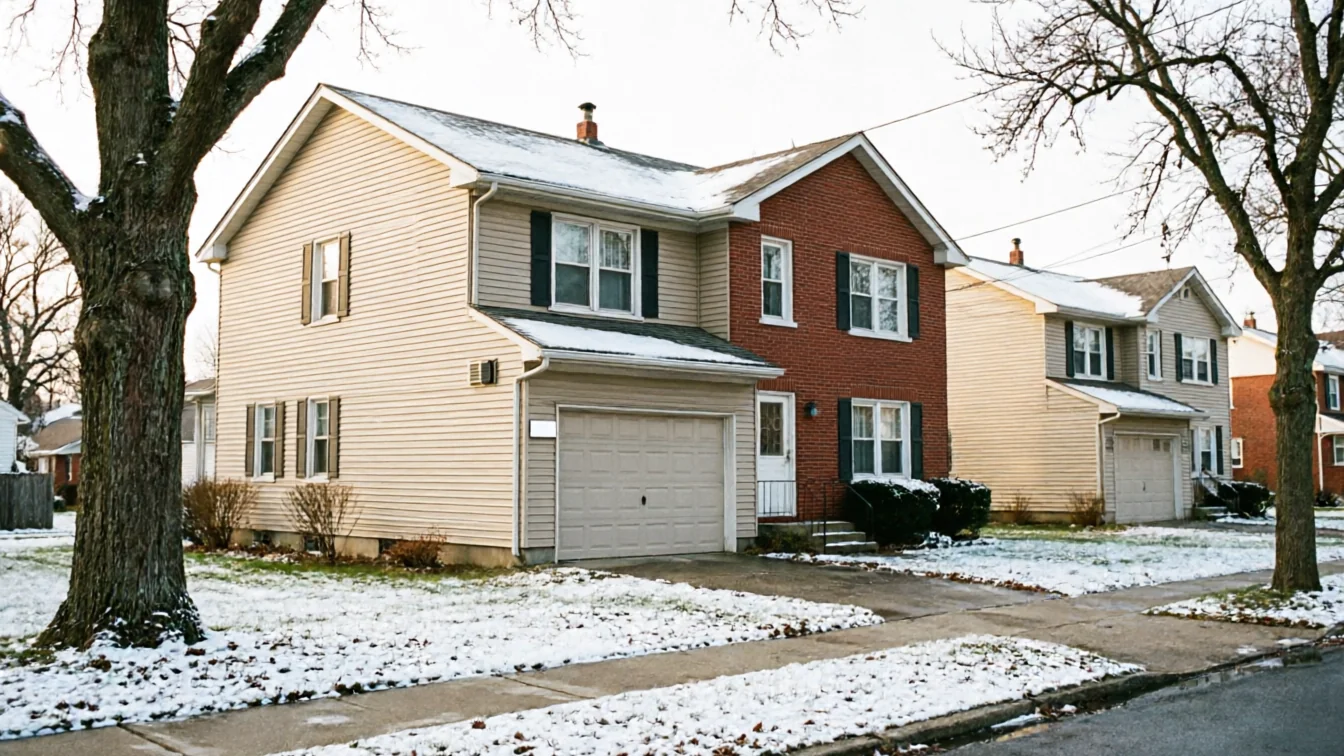
A row of houses with snow on the roofs and lawns.

Questions

Common questions

Why does my opener in Tea keep losing its memory after a storm?

Houses here mostly date from 2002 or later, which means board-based openers rather than older relay units. Boards are more sensitive to power surges than the simpler electronics of a 1980s opener, so a lightning strike or grid surge can wipe the board's memory even when the motor and gears are completely fine.

Is it worth fixing an opener from a 2002-built house or should I replace it?

At that age, most of these openers are reaching the end of their board life, which is a fair repair if the drive components are still sound. We check the board, sensors, and gears separately - if it's just the board, repair is usually the cheaper route; if the gear and board are both failing, replacement often makes more sense.

Do you carry parts for older openers too?

We carry boards, sensors, gears, belts, chains and remotes for the chain and belt-drive openers common on houses built from the late 1990s through the 2000s, which is most of Tea's stock. Units older than that can take longer to source parts for - ask us before assuming a repair is quick.

Explore more

More Services in Tea

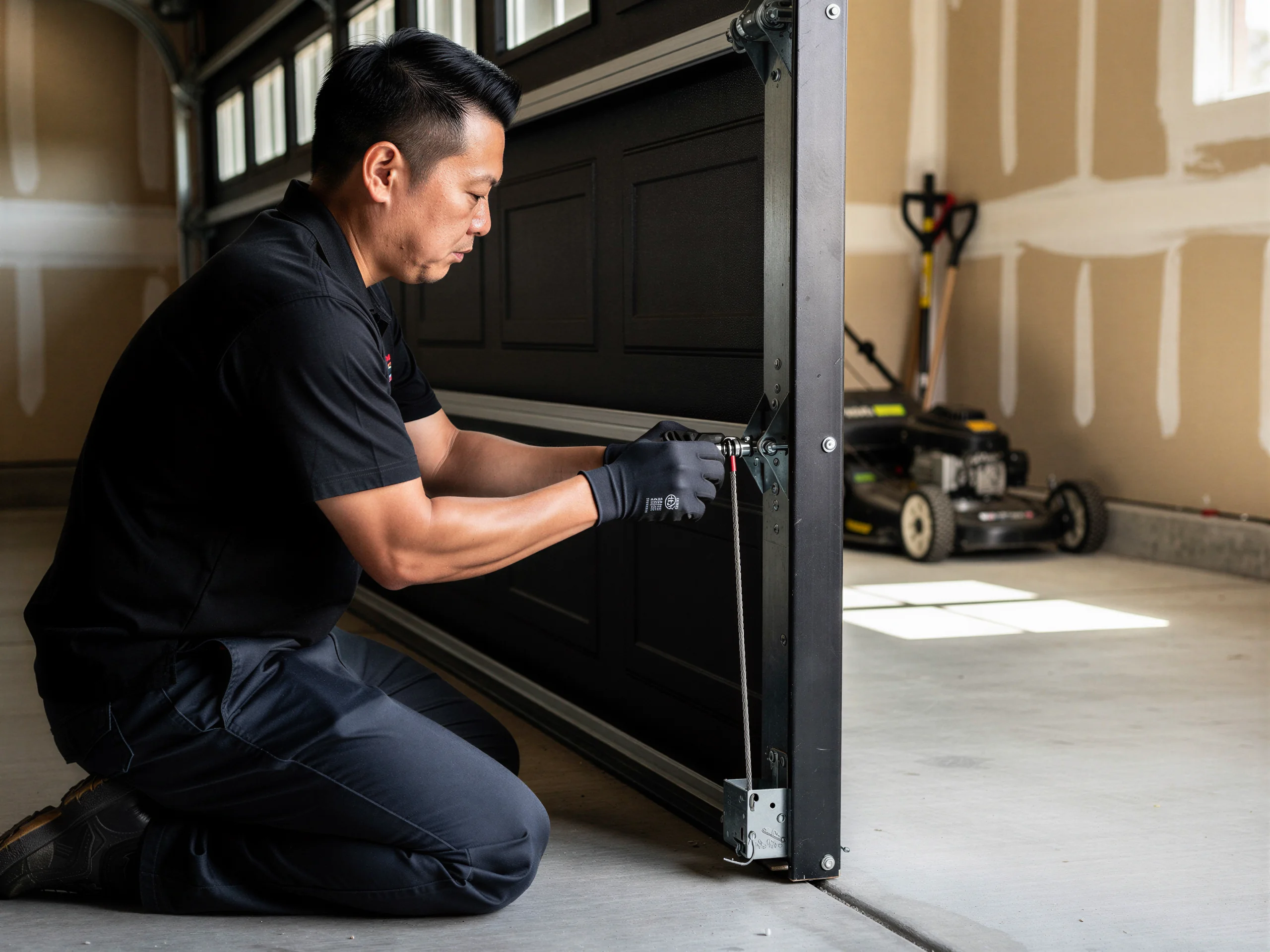
A technician kneels, adjusting a cable on a black garage door panel.

Cable Repair

Tea's housing mostly went up after 2002, so cable failures here look different than older Sioux Falls stock. Learn more →
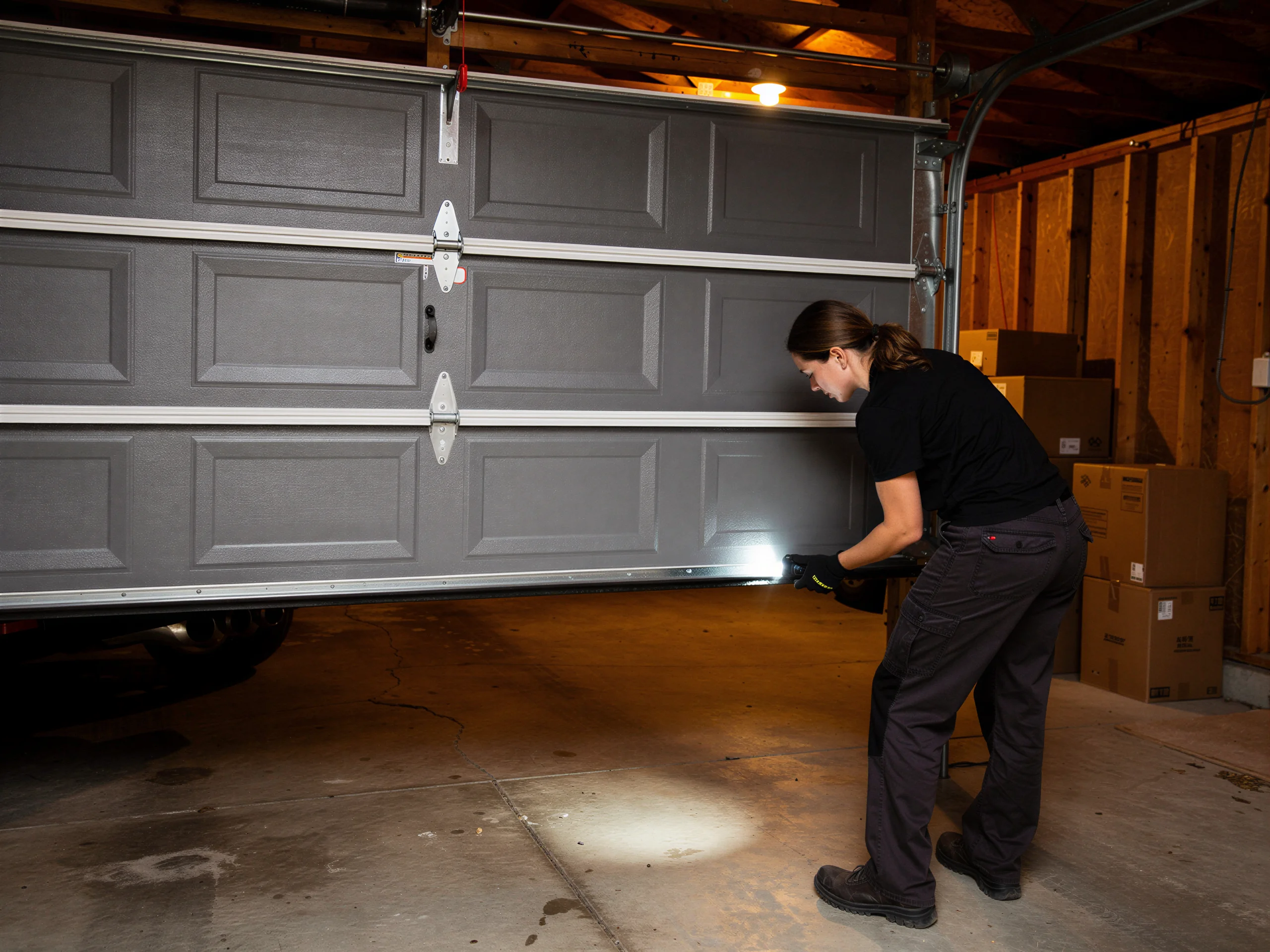
A technician shines a flashlight on the bottom of a gray garage door.

Garage Door Repair

Tea's garage doors are mostly newer builds, not the 1980s stock common across the rest of the service area. Learn more →
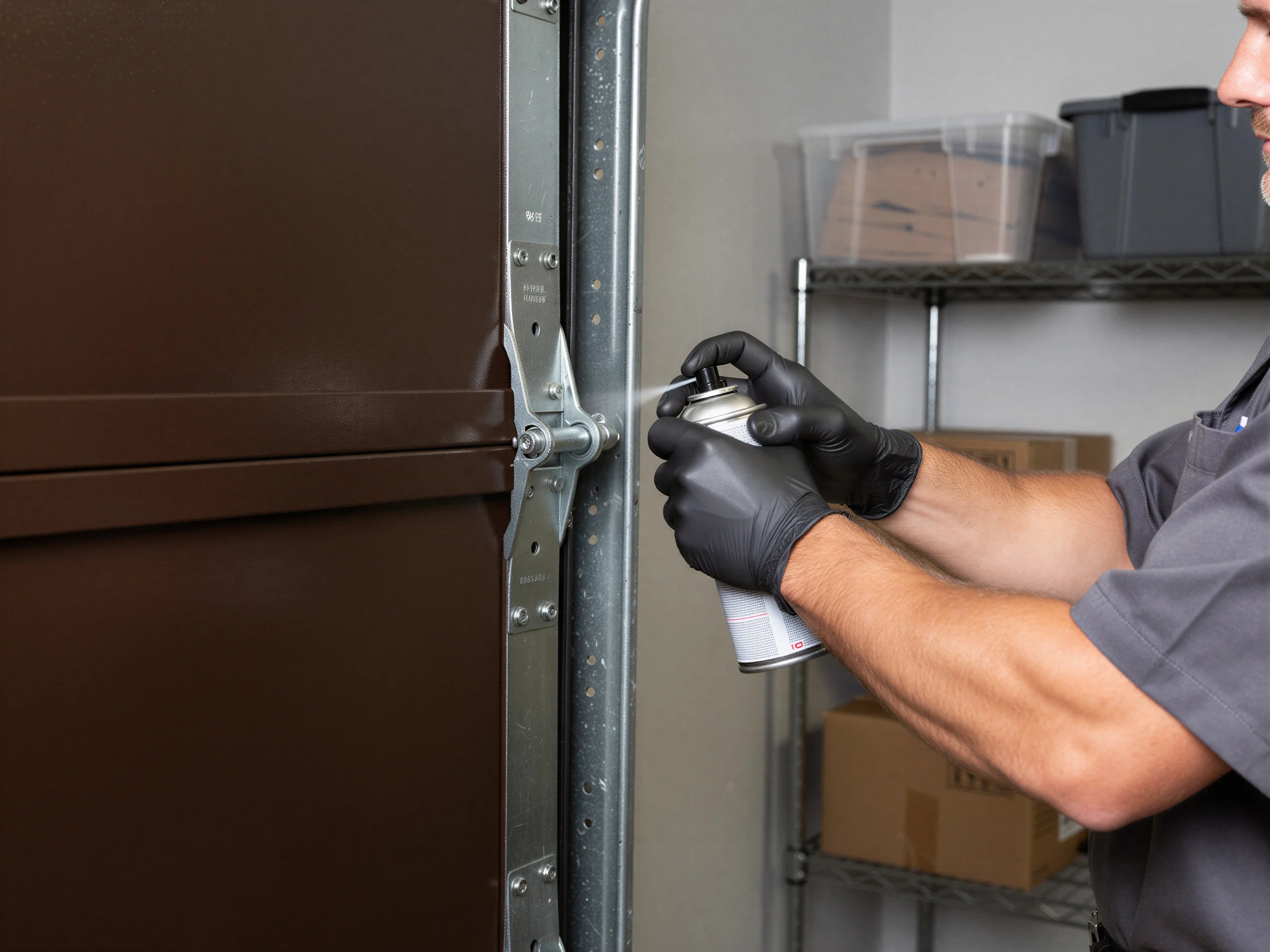
A technician in black gloves sprays lubricant on a garage door hinge.

Garage Door Service

Tea's median household income tops $104,000 and most houses here were built after 2002. Learn more →
A technician in black gloves sprays lubricant on a garage door hinge.

Maintenance

Tea's houses mostly went up after the mid-1990s, so most garage door hardware is still original factory gear. Learn more →
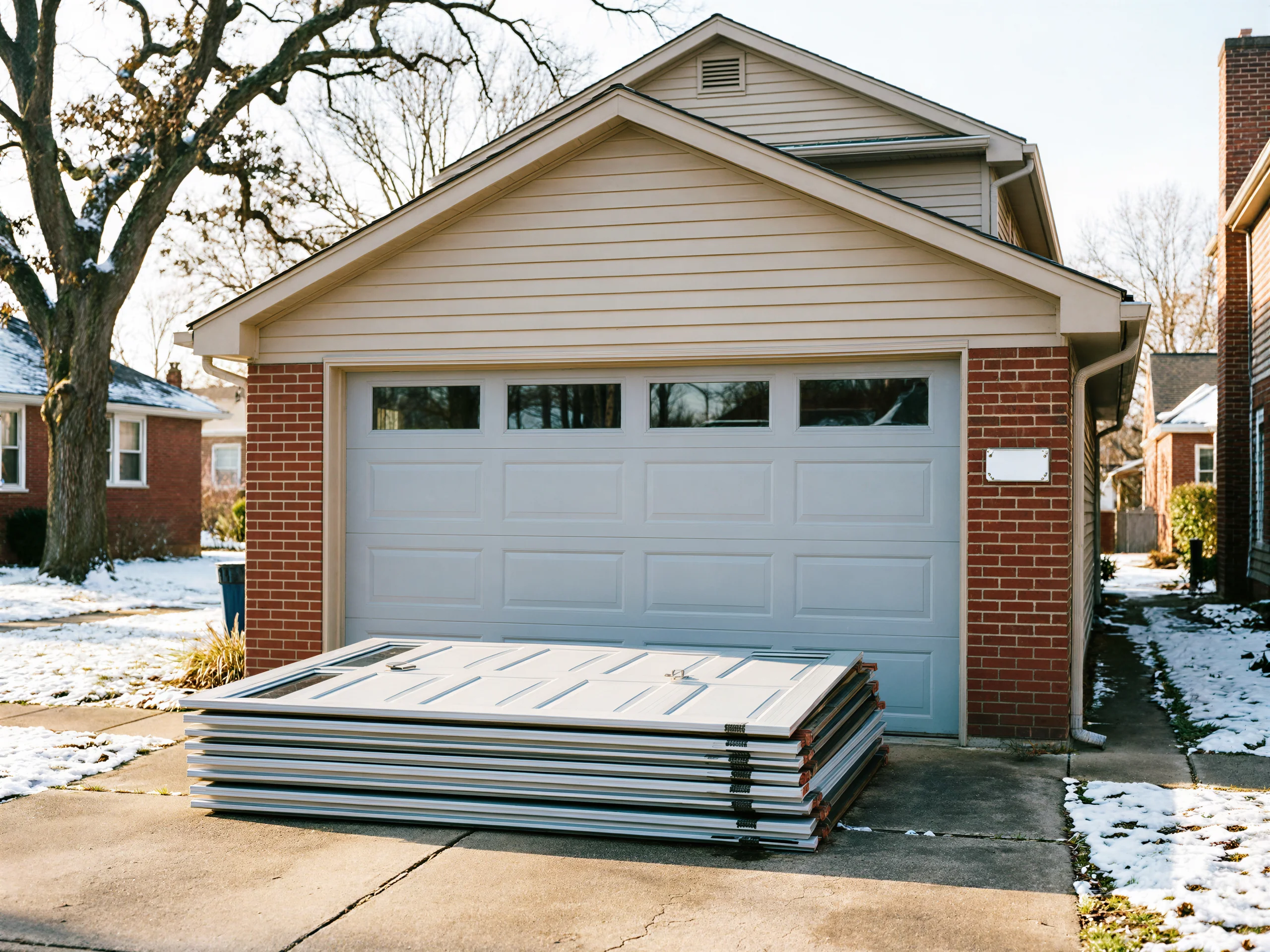
A stack of new garage door panels sits in front of a house with a garage.

New Door Installation

Tea's houses mostly went up after 2002, newer than the Sioux Falls area average. Learn more →
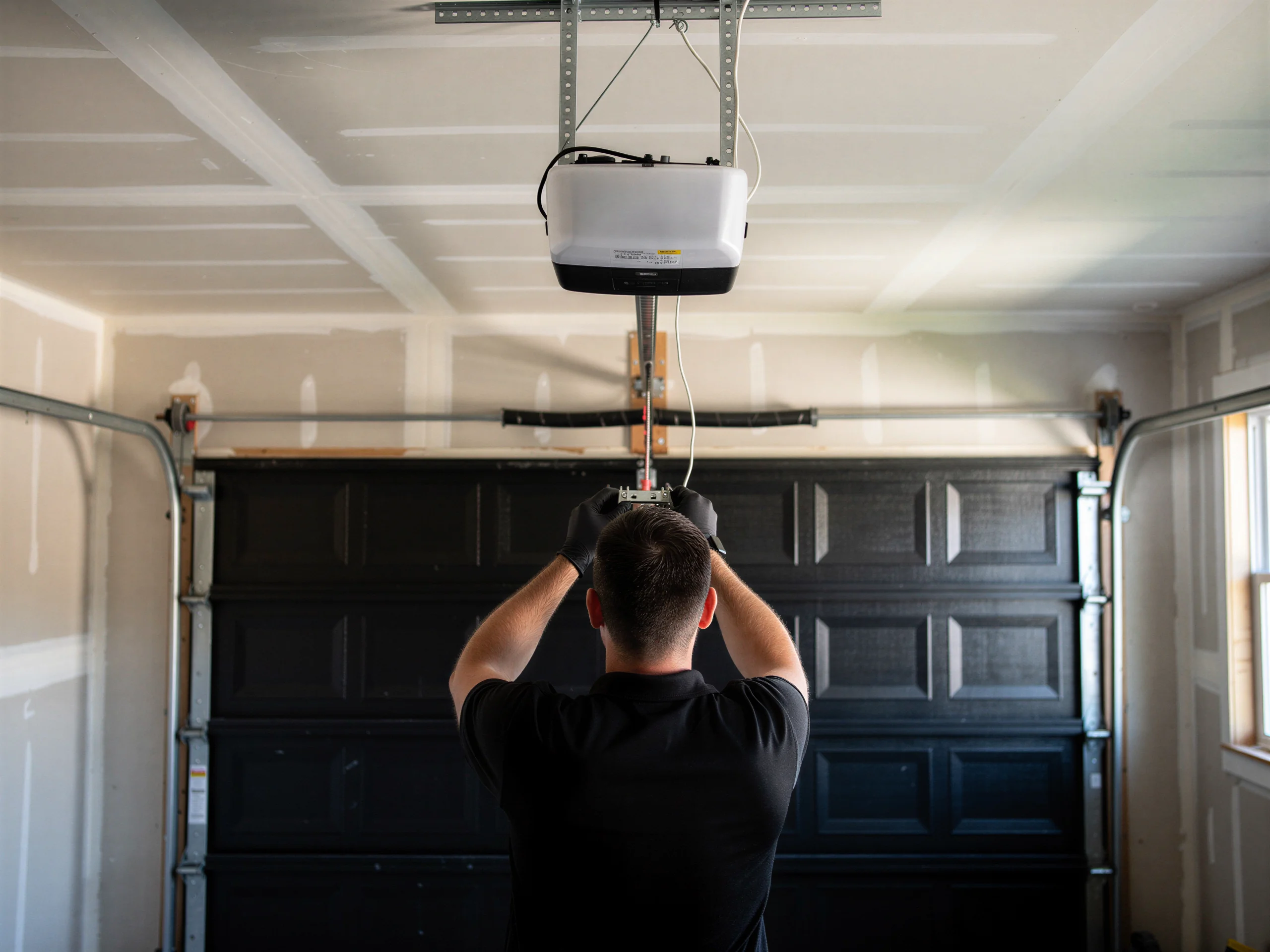
A technician works on a garage door opener above a black garage door.

Opener Installation

Tea's garages mostly went up around 2002, a generation newer than most of the service area. Learn more →
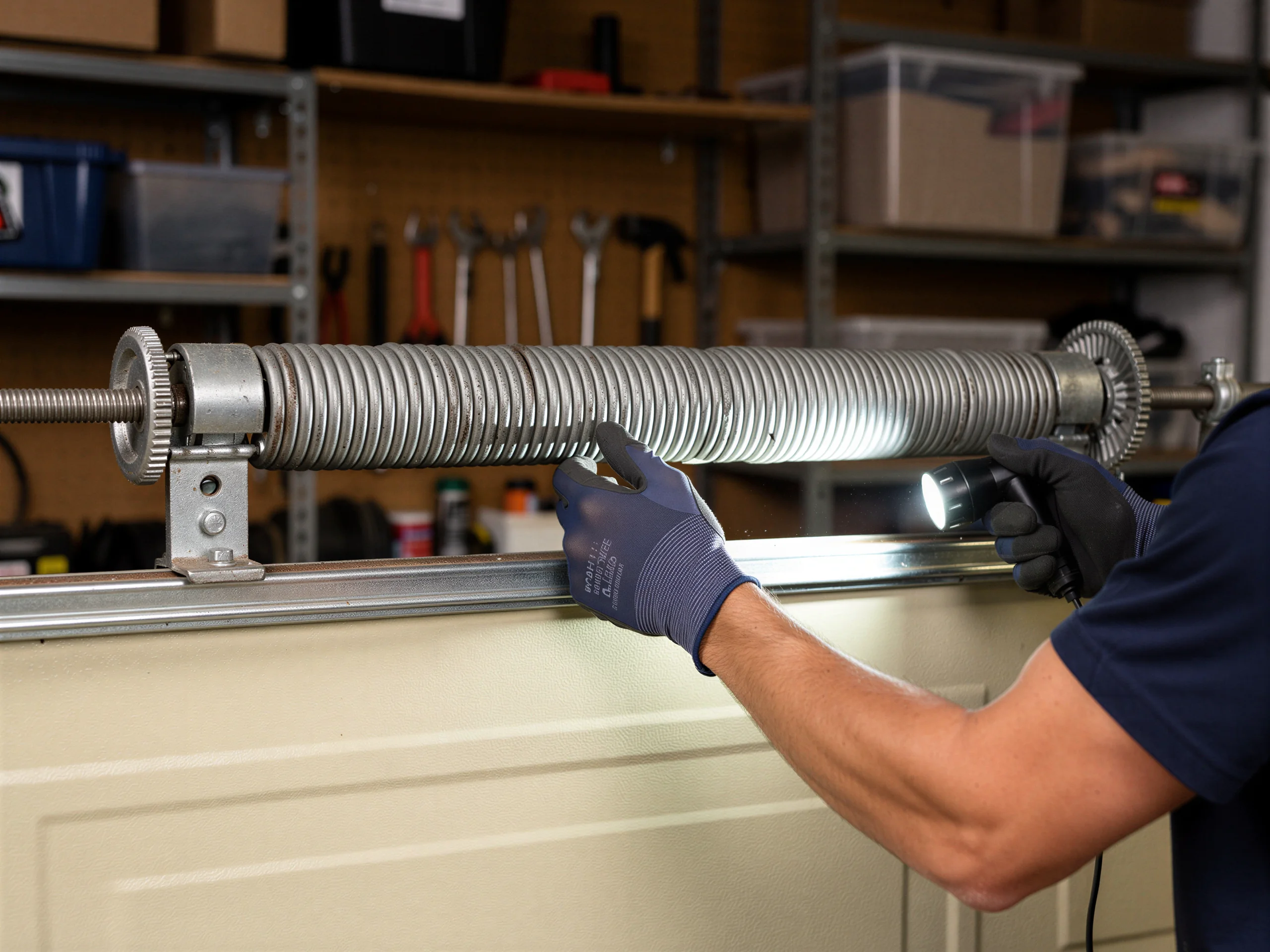
A technician inspects a garage door torsion spring with a flashlight.

Spring Repair

Spring repair for Tea, SD homes, most built after 2002. Learn more →

Ready when you are

Garage door opener acting up in Tea?

Sioux Falls Garage Door Co repairs and installs garage doors, springs and openers in Sioux Falls, SD and the surrounding area.

Call Now(605) 340-2413