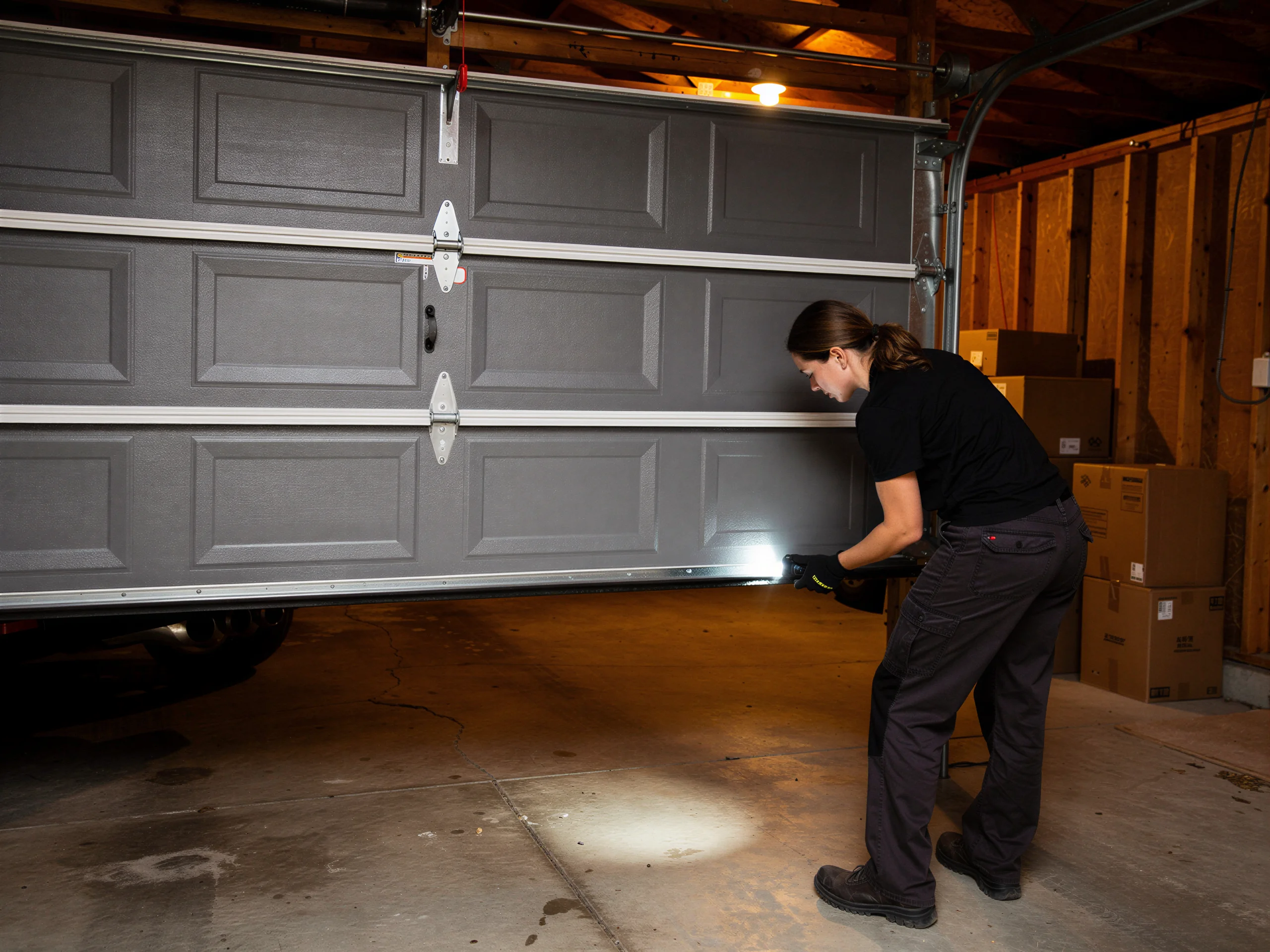
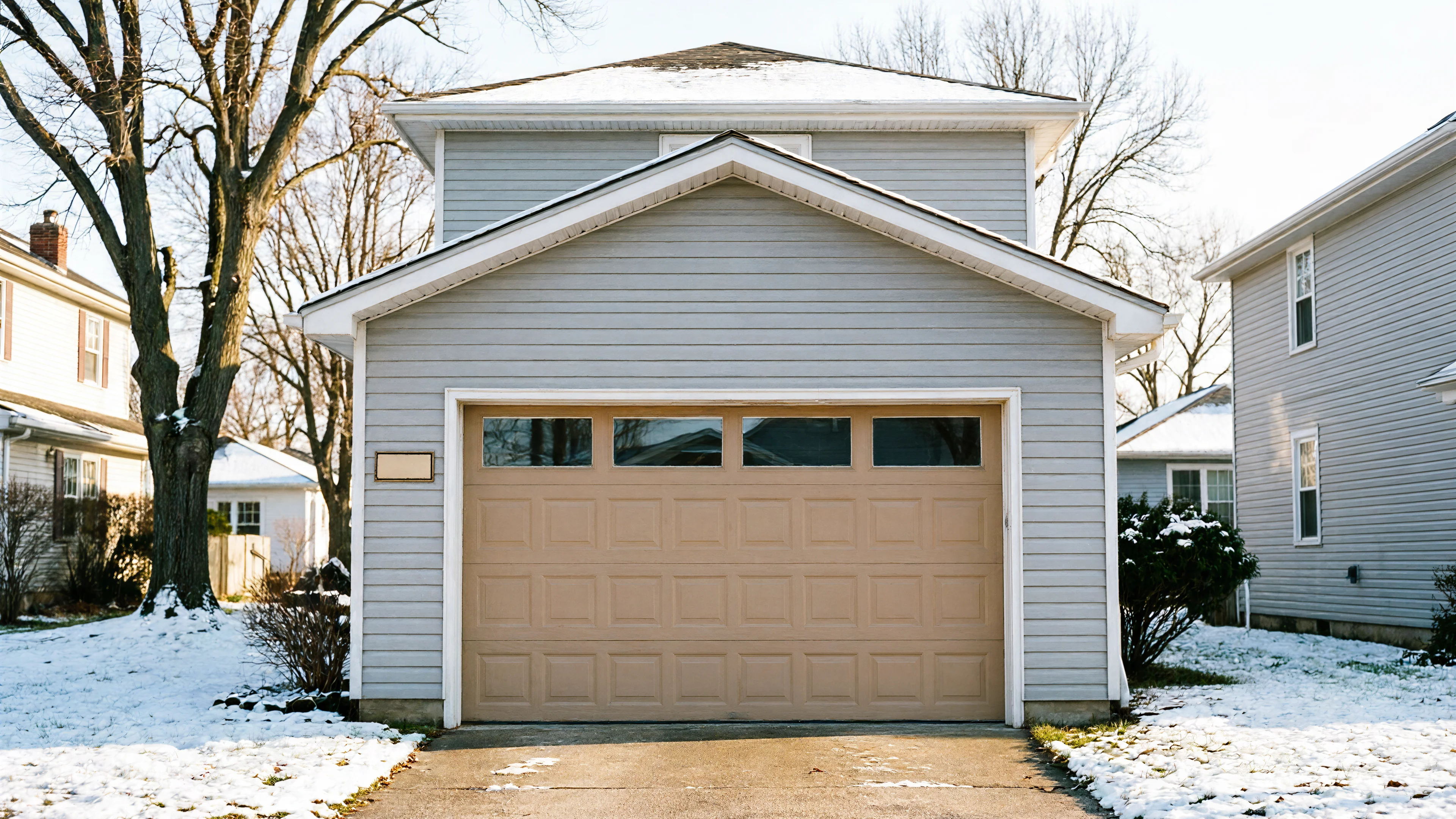
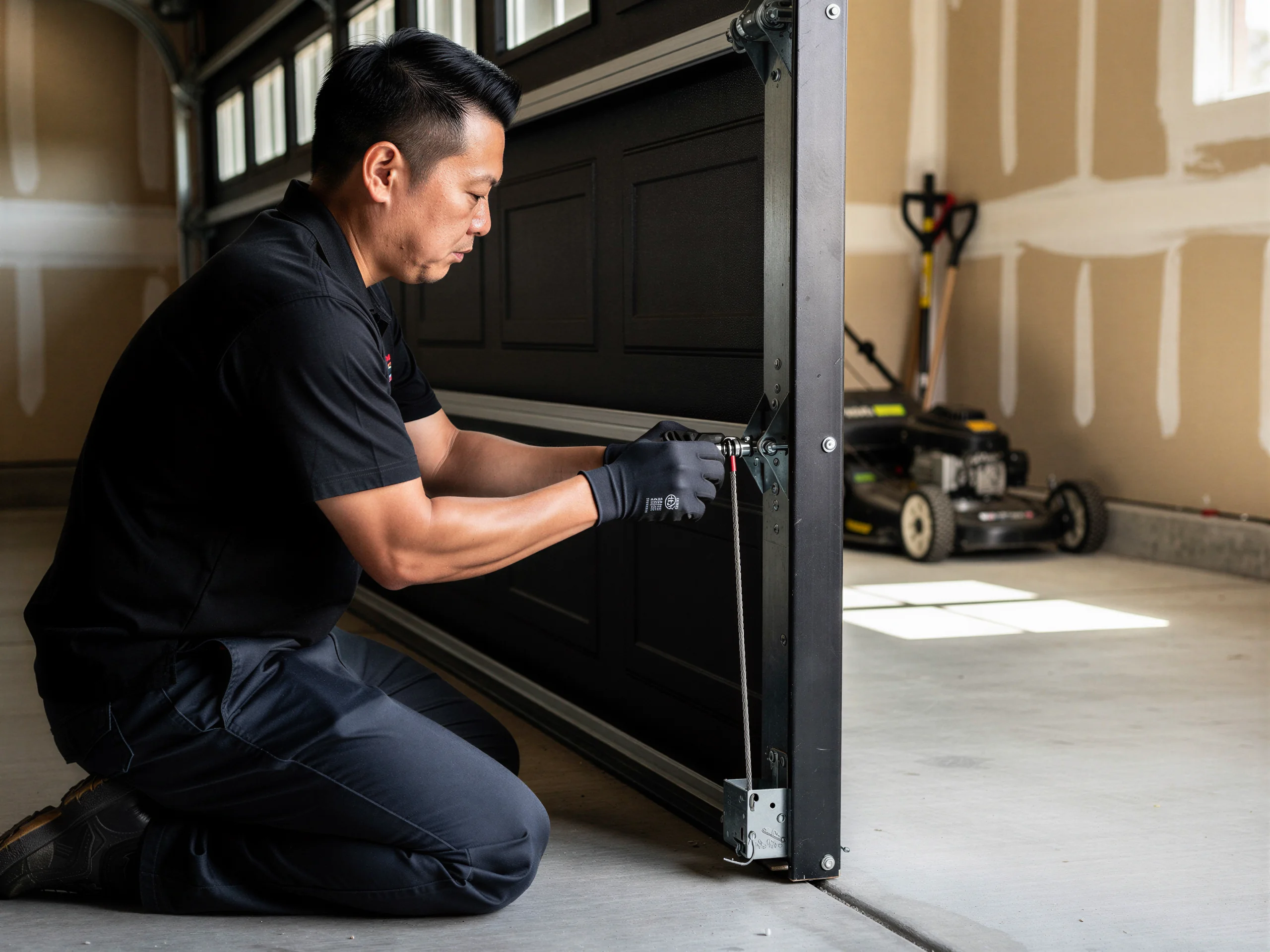
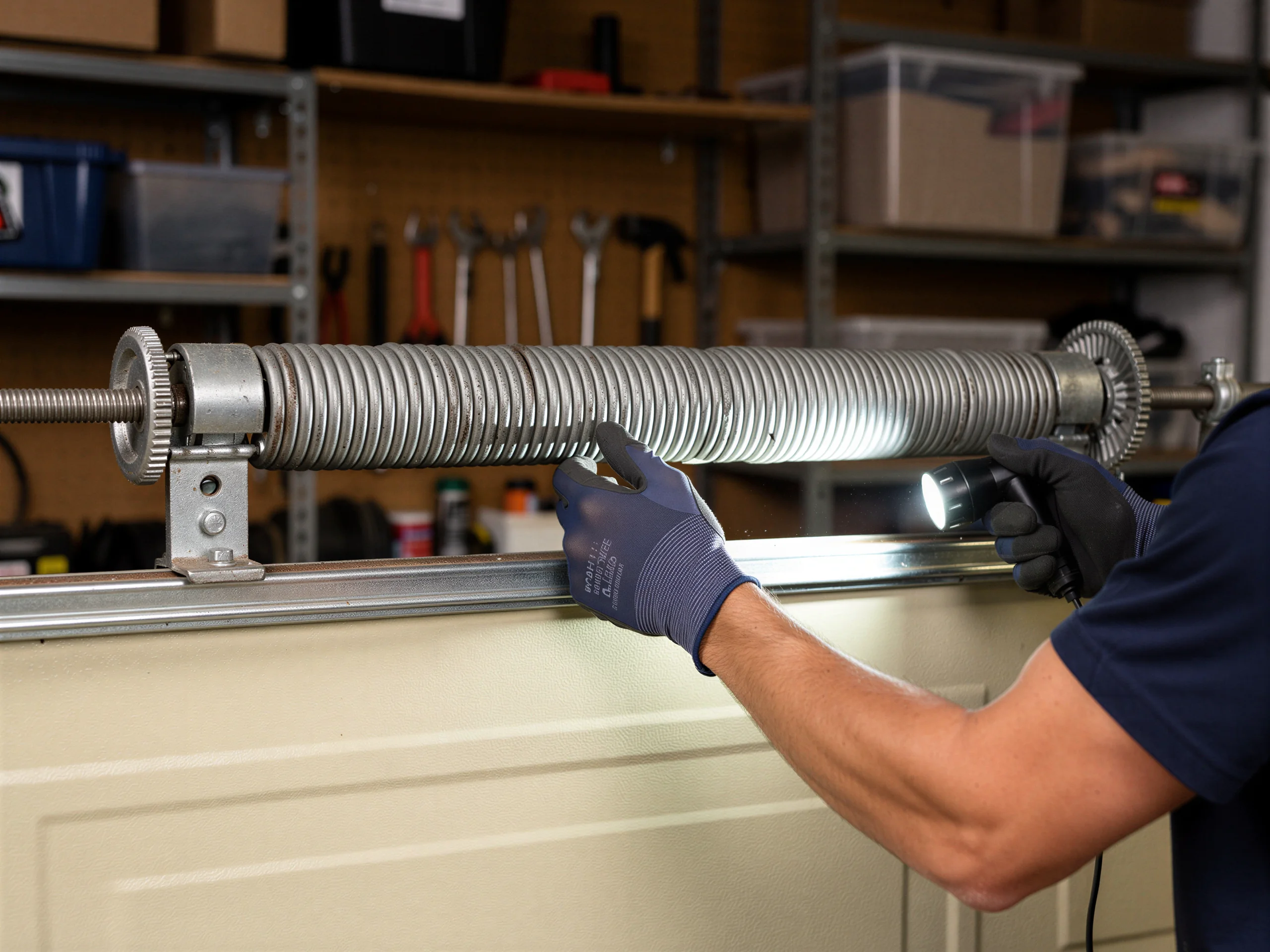
Sioux Falls sits in a cold climate zone with severe winter conditions, and that matters more for garage doors than people expect. Steel contracts in the cold, and a torsion spring that's already near the end of its cycle life is far more likely to snap on a sub-zero morning than in July. We see a clear uptick in spring failure calls through the coldest stretch of winter every year, and it's not coincidence.
Housing age is the other half of it. Across the fourteen named areas we work, most homes went up between 1938 and 2006, with the bulk of that stock from the 1980s and 90s. A door and opener installed when the house was built is now thirty-plus years old if it's never been replaced - well past the point where springs, cables, and rollers are doing their original job. Combine original 1980s-era hardware with a hard freeze-thaw cycle every winter, and spring and cable failures aren't random, they're scheduled by the calendar whether anyone's tracking it or not.
Humidity swings between seasons also work on wood jambs and loosen the brackets that hold the track in place, which is why track misalignment often shows up alongside spring problems rather than on its own.