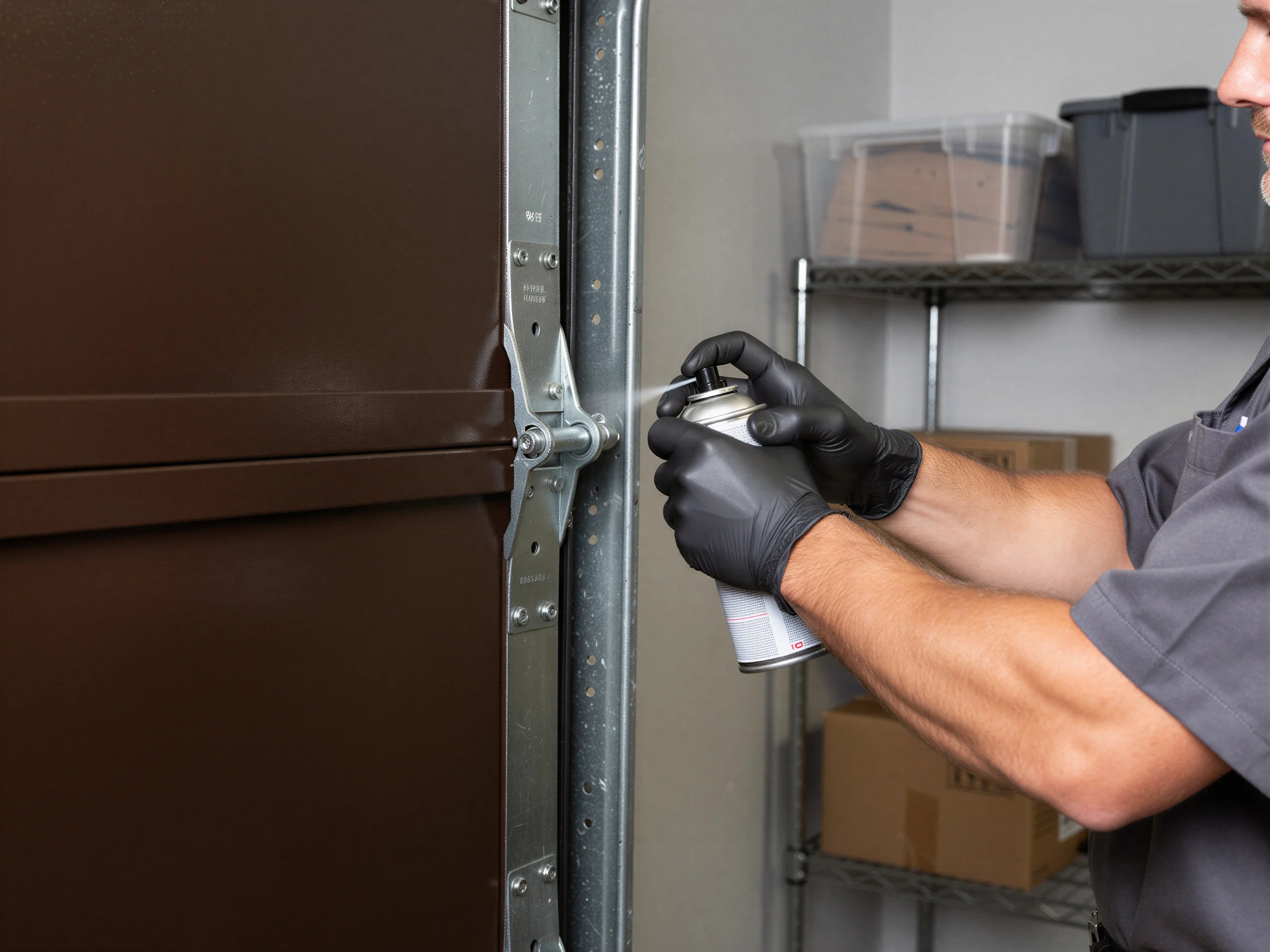
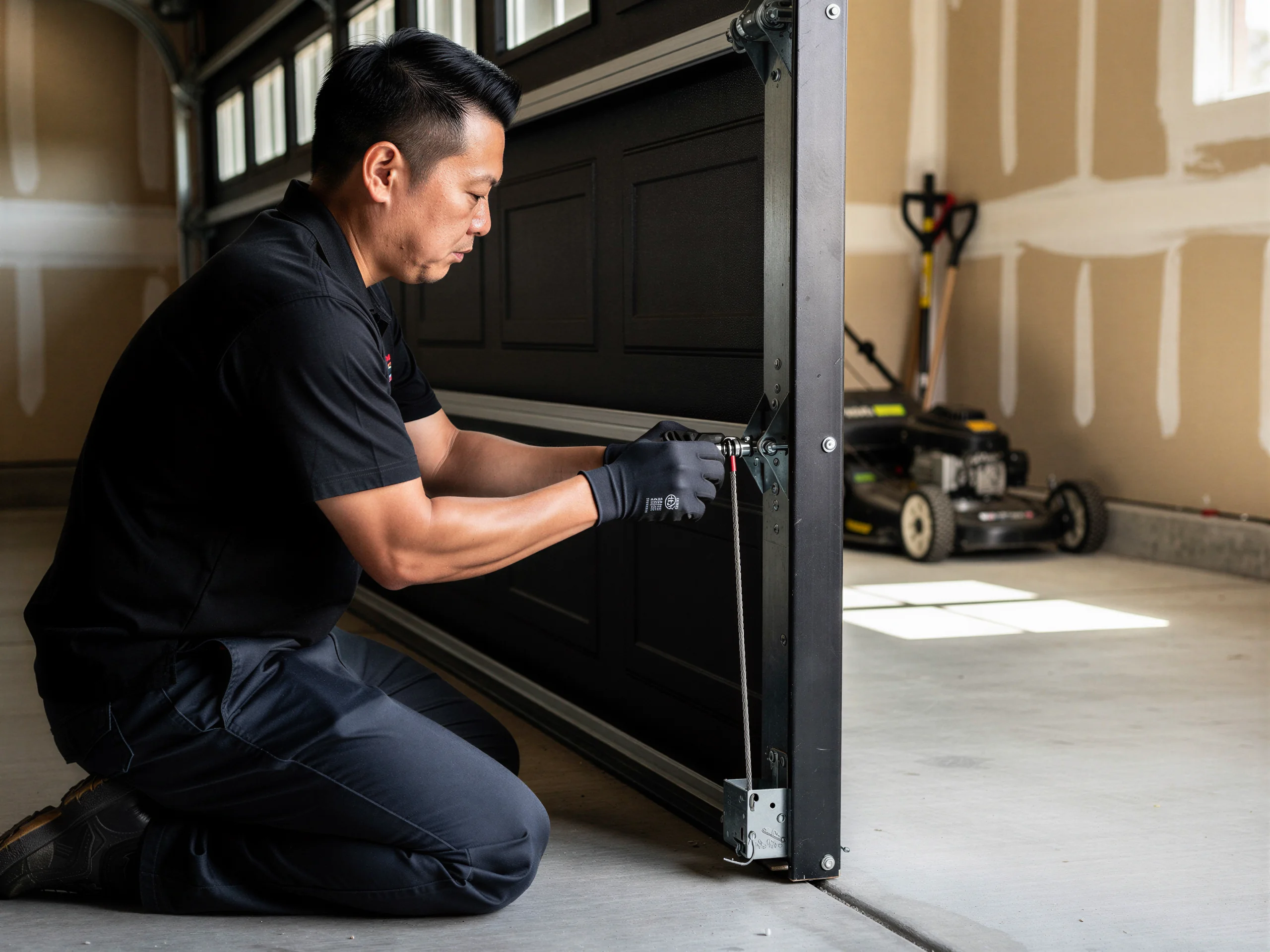
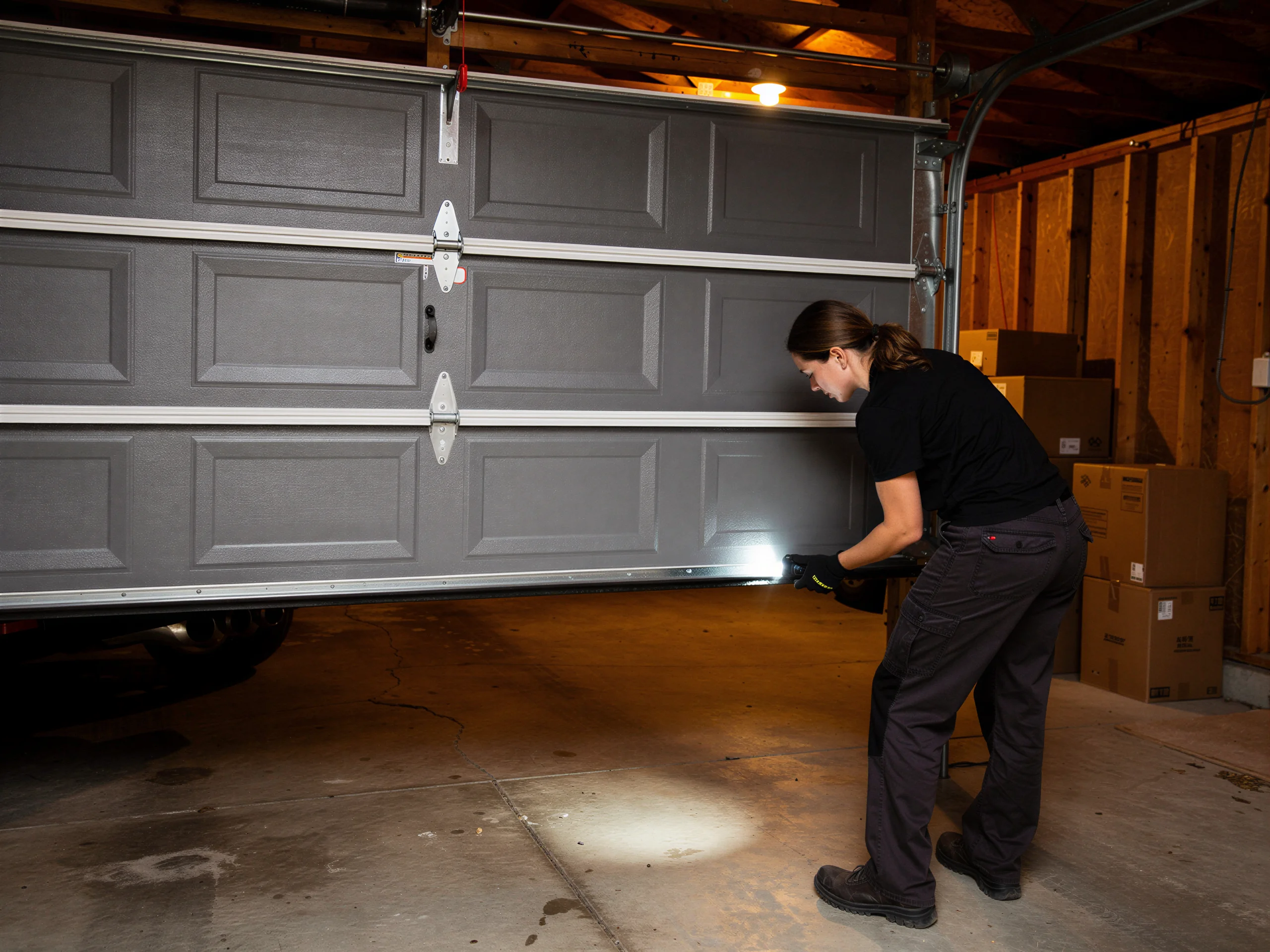
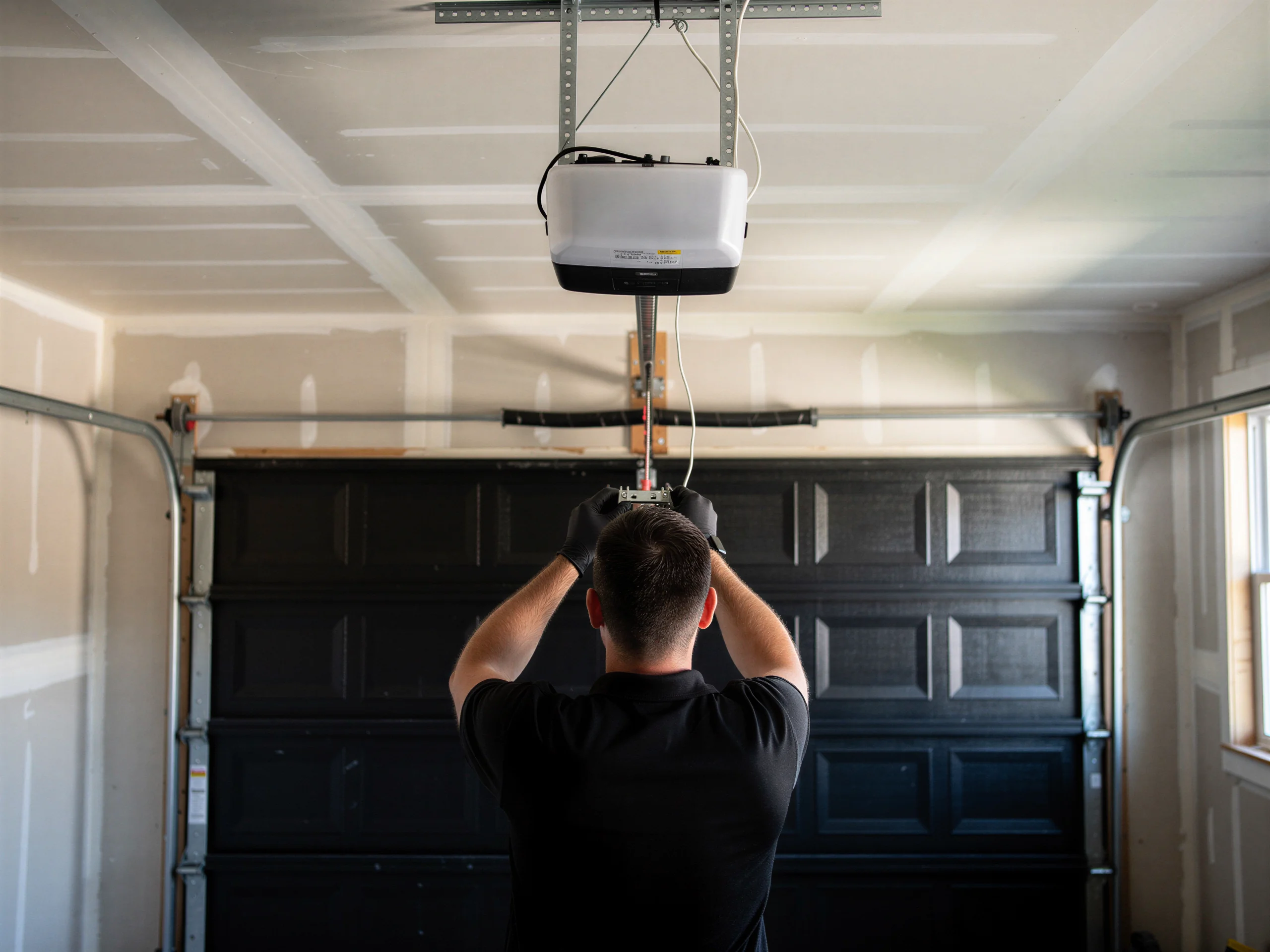
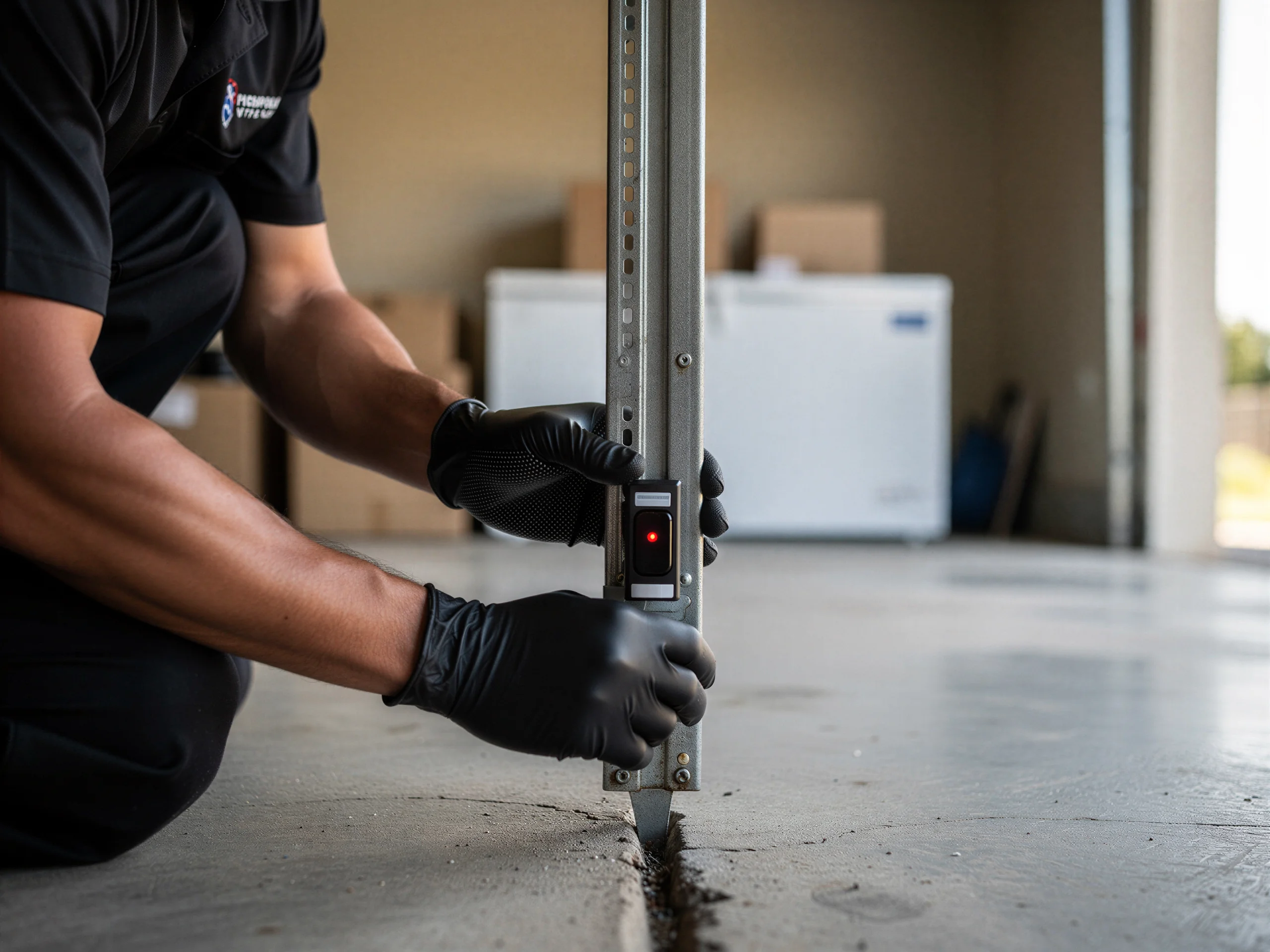
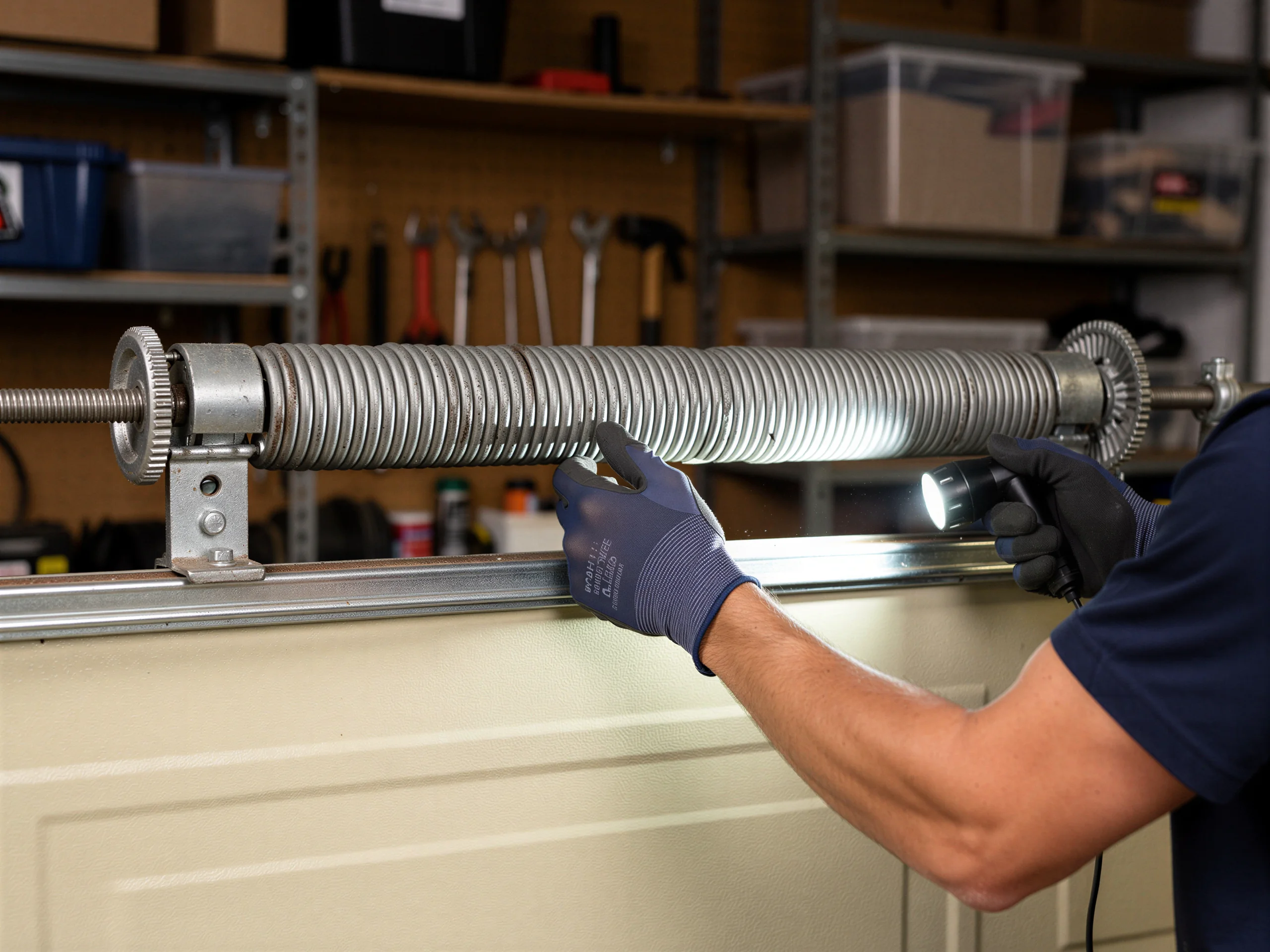
We come from Sioux Falls, about 8 miles out, and we check the stuff that doesn't get looked at unless something breaks: spring wind and balance, cable fray at the drum, roller wear in the track, and whether the opener's force settings still match the door's actual weight after two decades of dust and temperature swings.
On original hardware from the early 2000s, the most common finds are rollers worn oval instead of round, and torsion springs that have lost coil tension without ever having snapped - they just get weaker and let the opener do work it wasn't built for. We'll flag both before they turn into a 6 a.m. call.
We don't replace parts that don't need it. If the original springs are still within a reasonable cycle count and balance correctly, we leave them and note when to check again. A maintenance visit is about catching what's close to done, not selling a full teardown on a door that's fine.