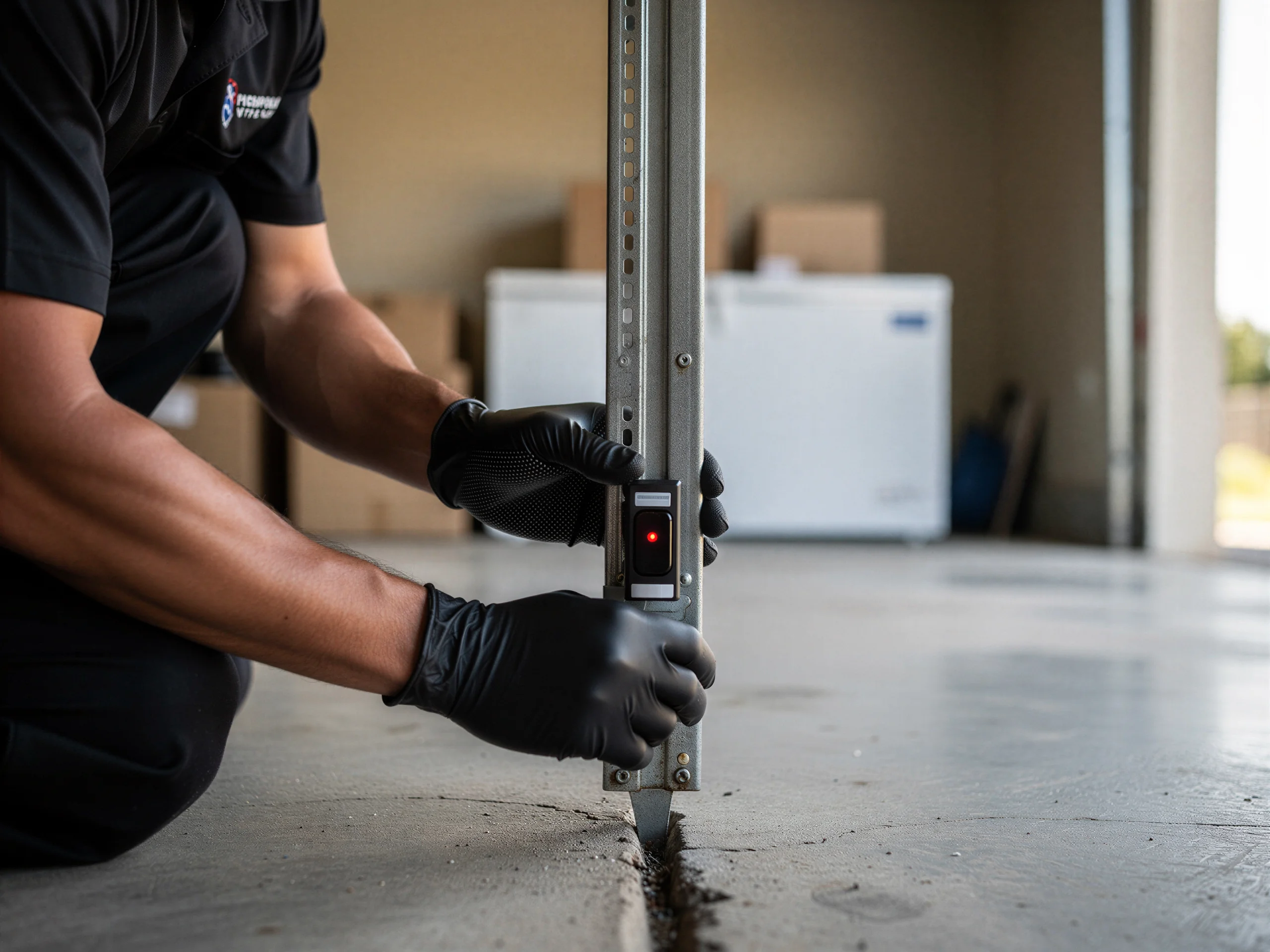
Check sensor beam alignment
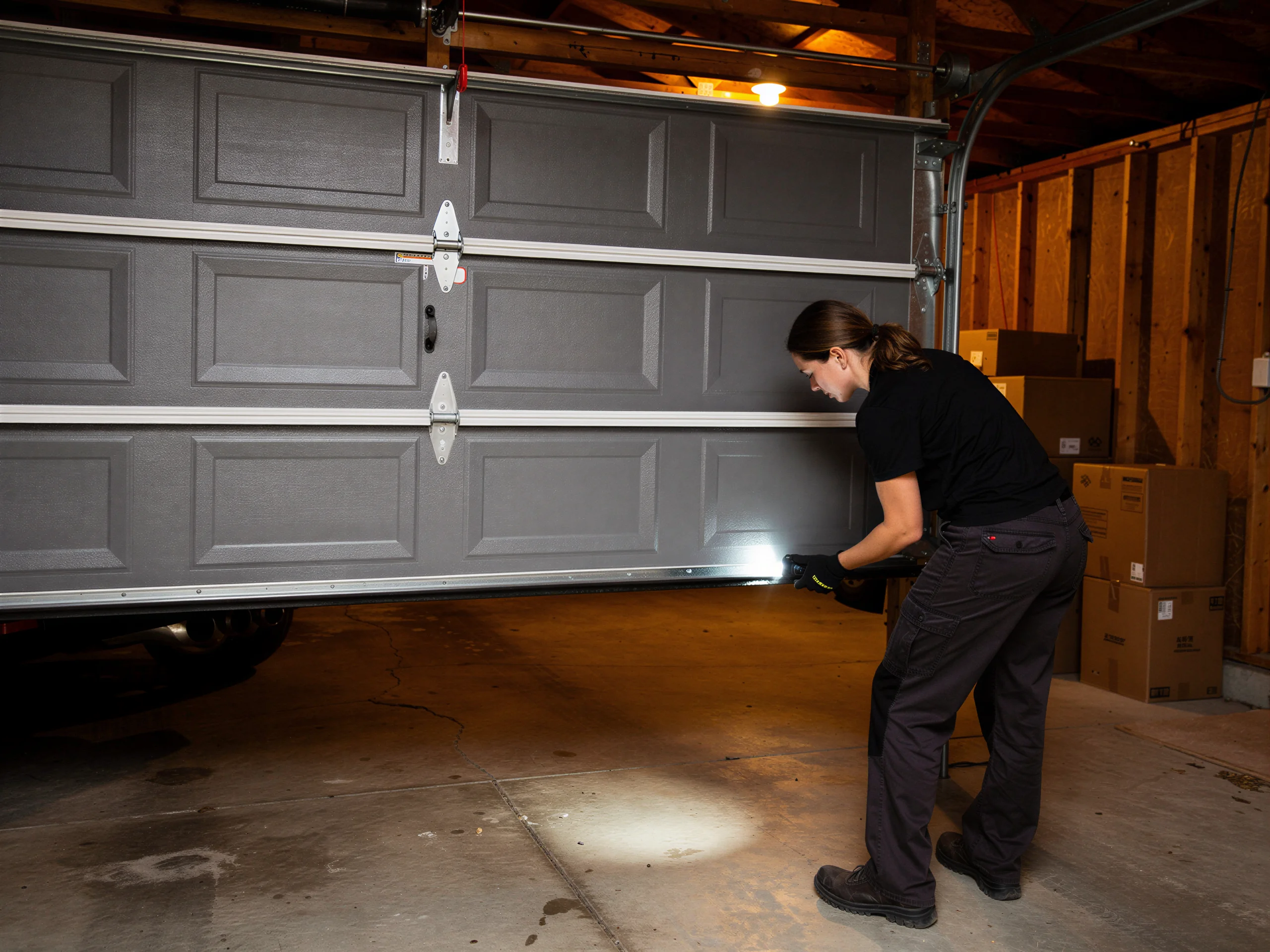
If the door won't close and the opener light blinks, check that the two sensors near the floor are aligned and nothing - a bike, a bag of mulch - is breaking the beam.
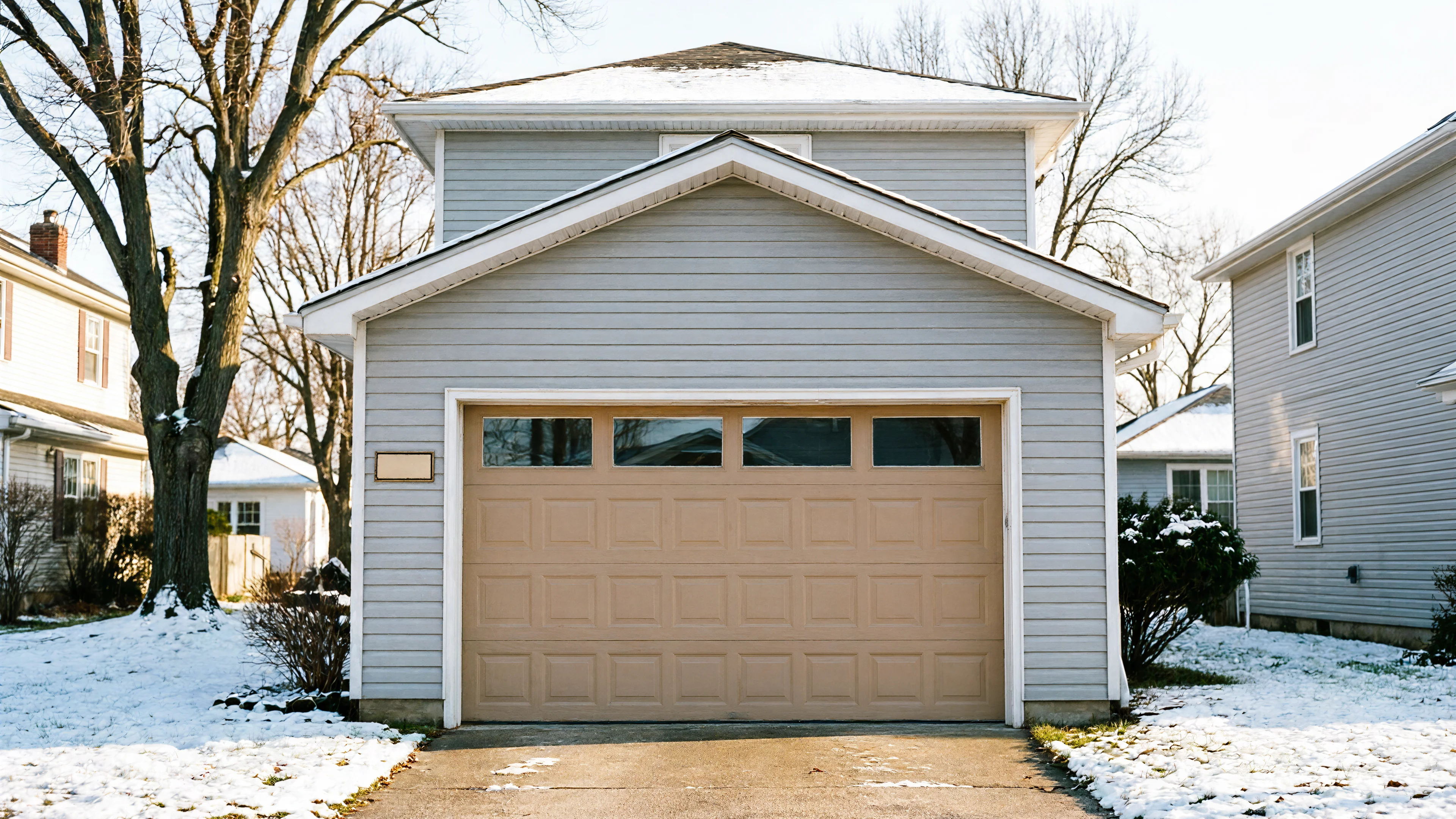
Sioux Falls, SD
Garage door opener repair across Sioux Falls and the surrounding towns - dead openers, grinding gears, and remotes that quit, diagnosed for older local housing stock and cold winters.
Local causes
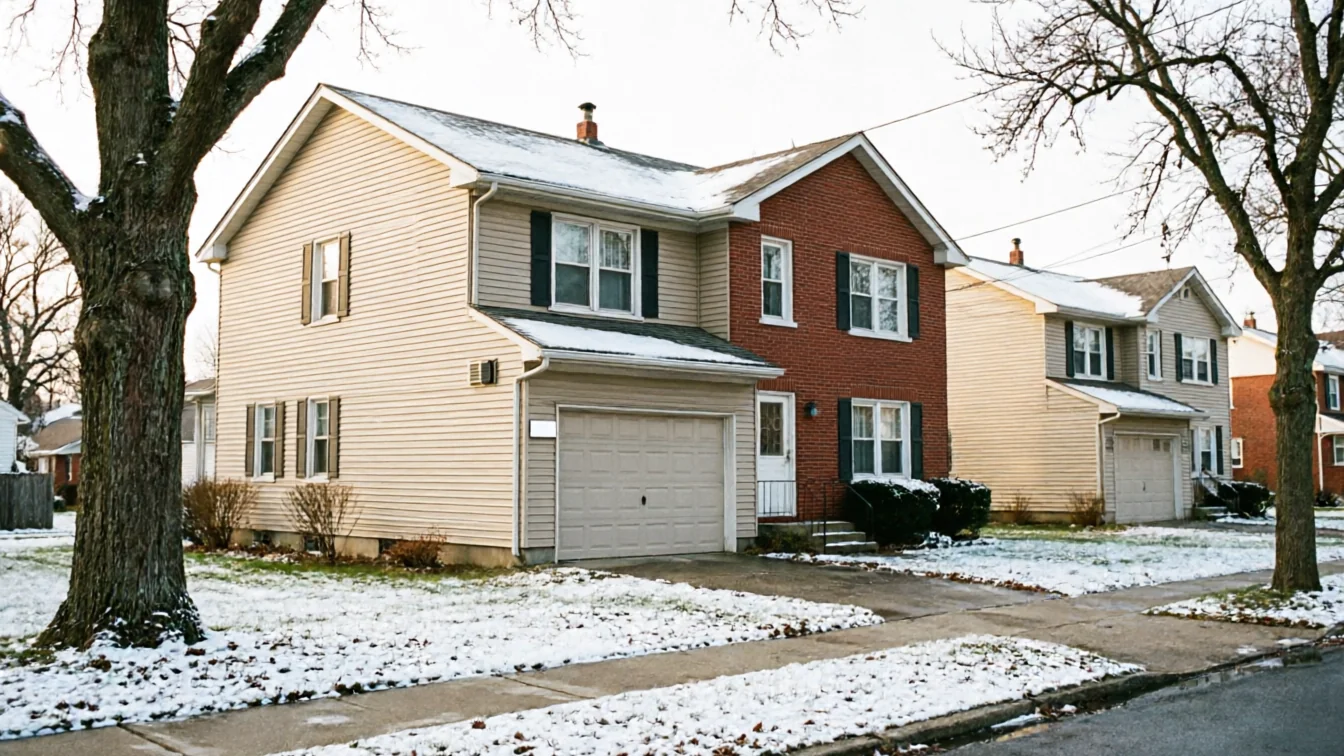
Two things drive opener failures in this area more than anything else: the age of the housing stock and the winters. With housing built mostly between 1938 and 2006 and median construction dating to 1983, a large share of openers in the 16,761 households across this service area are well into their second or third decade of service - long enough for lubricant inside the gearbox to dry out and for capacitors to lose their charge.
The cold makes it worse. This area sits in a severe cold climate band, and when temperatures drop, the grease inside an aging opener's gearbox stiffens, making the motor work harder to turn a gear that's already worn. That extra load is often what finally strips a gear that's been degrading for years - the opener was already weak, and a hard freeze is what makes it quit. Owners in older sections of the 10,546 owner-occupied houses across this area tend to see this pattern most, since original equipment there has had the most years to wear down.
Warning signs
Most calls start the same way: you hit the remote and nothing happens, or the motor hums but the door doesn't move. Sometimes the opener runs the full cycle with the door barely twitching, which usually points to the drive gear or the trolley, not the motor itself. Other times the light flashes and the unit reverses before the door is even halfway down, a sign the safety sensors or the travel limits are off.
Across the service area we cover - Sioux Falls plus Harrisburg, Tea, Brandon, Hartford, Valley Springs, Worthing, Baltic, Lennox, Garretson, Chancellor, Canton, Humboldt, Dell Rapids, and Colton - housing dates mostly from 1938 to 2006, with the heaviest concentration built in the 1980s and 90s. That means a lot of original or first-replacement openers are now thirty to forty years old. At that age, the circuit board solder joints crack, the capacitor that starts the motor weakens, and the plastic drive gear - a known wear part on chain and belt units from that era - strips its teeth. The symptom looks electrical. The fix is often mechanical.
DIY or pro
Some of this is within reach for a homeowner with basic tools. Reprogramming a remote, replacing batteries in a wall console, or clearing the photo-eye sensors of dust usually takes ten minutes and no special parts.
If the door won't close and the opener light blinks, check that the two sensors near the floor are aligned and nothing - a bike, a bag of mulch - is breaking the beam.
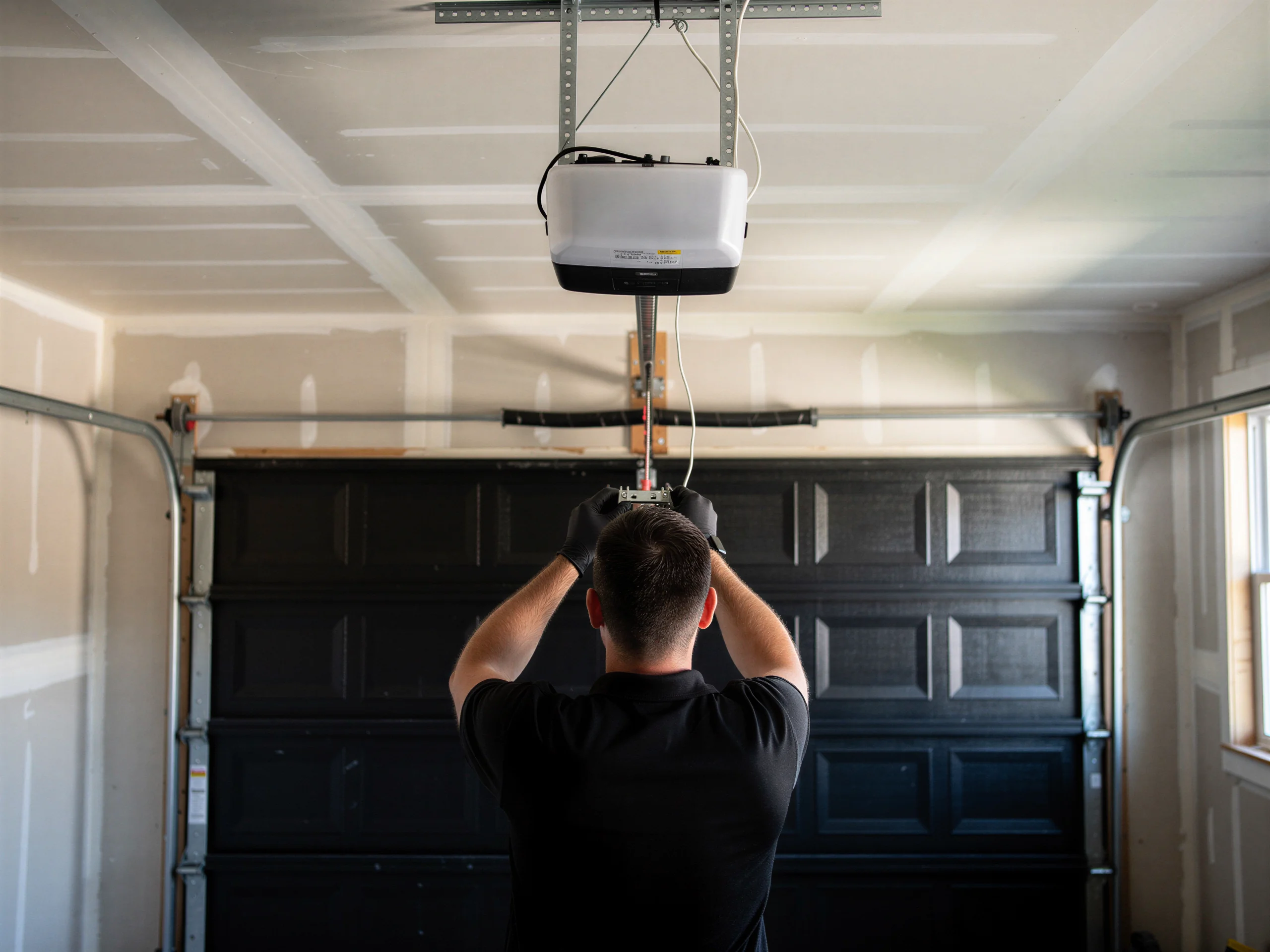
Where we'd tell you to stop: anything involving the torsion spring or the high-voltage side of the opener's circuit board. A stripped drive gear is a straightforward swap for someone who's done it, but it means disassembling the motor housing, and the part has to match your unit's chain or belt pitch.
We also won't recommend chasing a logic board fault with a multimeter unless you already know your way around one - a wrong reading sends you shopping for the wrong part twice.
Job timing
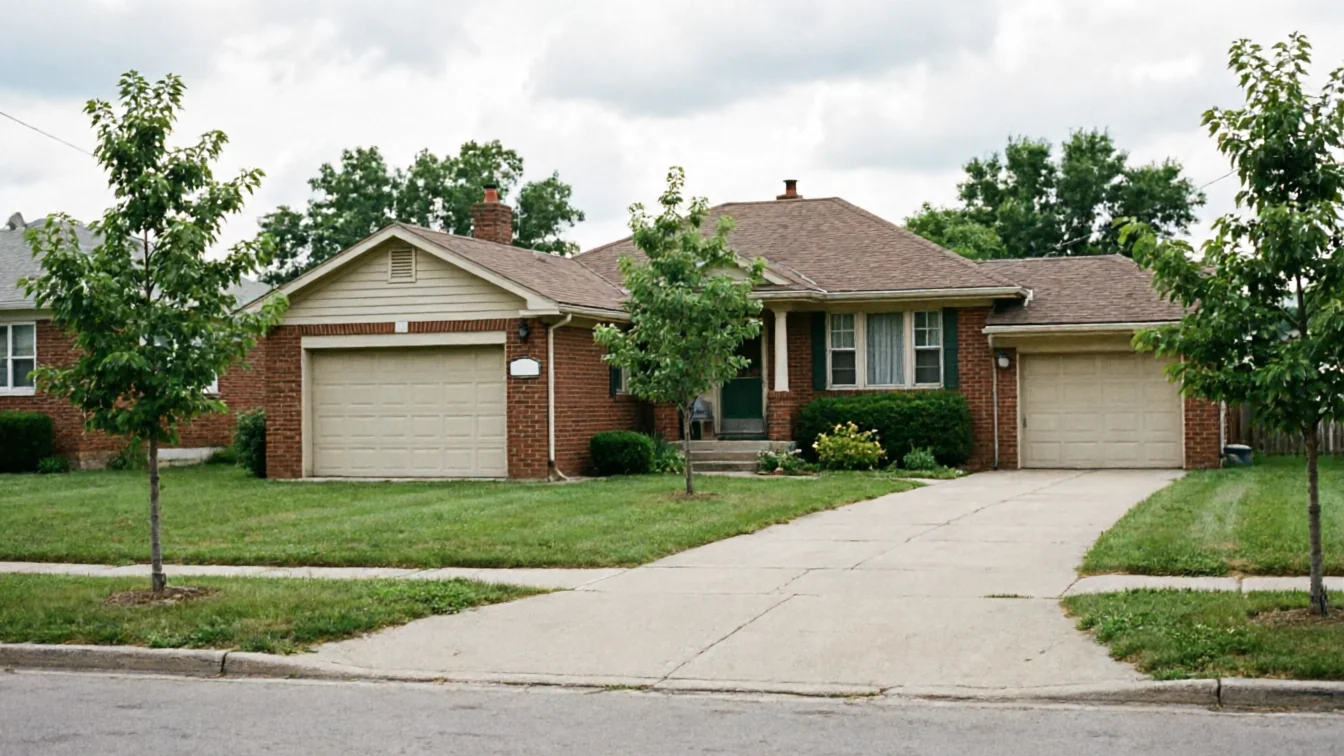
A remote reprogram or sensor realignment is a short visit - we're usually in and out before you'd finish a cup of coffee. A drive gear or capacitor replacement takes longer because the opener has to come apart and go back together correctly, with travel limits and force settings reset afterward.
The variable that actually slows a job down is parts. Openers built in the 1980s and 90s - which describes a lot of units still running across this service area - sometimes use gear and sprocket kits that aren't on every truck, especially for older chain-drive models from manufacturers that have since changed their part numbering. When that happens, we tell you up front rather than guess at a finish time. A full opener replacement, when the board or motor is actually dead, is a same-visit job in most cases since that hardware is standard stock.
Questions
Cold snaps are the usual trigger. A gearbox that's already worn from years of use stiffens up further when temperatures drop into the severe cold range typical here, and the extra resistance is often enough to strip an already-weak drive gear. The opener didn't fail suddenly - it was close to failing and the cold pushed it over.
If the motor and board are sound and it's just a gear, capacitor, or sensor, repair makes sense. If the unit dates to the original construction of an older home in this area and the board itself has failed, replacement is usually the better call, since parts for the oldest chain-drive models aren't always easy to source.
This points to the drive mechanism, not the motor - commonly a stripped plastic drive gear or a disconnected trolley. It's one of the most common calls we get given how much of the local opener stock dates to the 1980s and 90s, when this part was standard and wears out predictably with age.
Explore more
Ready when you are
Sioux Falls Garage Door Co repairs and installs garage doors, springs and openers in Sioux Falls, SD and the surrounding area.