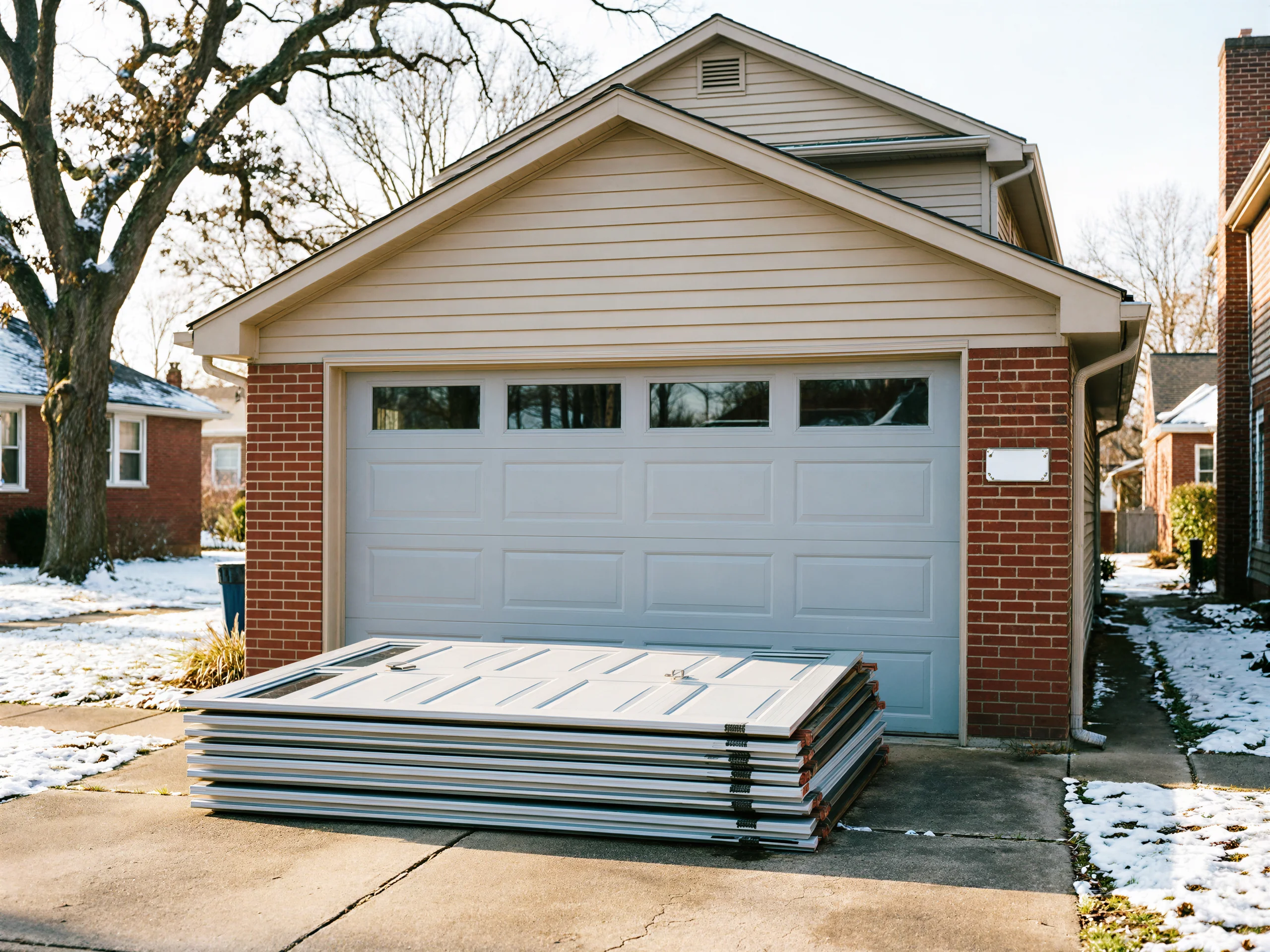
Tea has about 2,050 households, which puts it on the smaller end of the towns we cover out of Sioux Falls. That size matters for what kind of call we get. In a bigger, older town you see a wide mix of door ages and hardware generations all competing for the same truck. In Tea, the housing is tighter in age - most of it went up well after 2000, with a median build year around 2002. That's newer than the 1938-2006 spread you see across the broader service area, where the typical home dates closer to 1983.
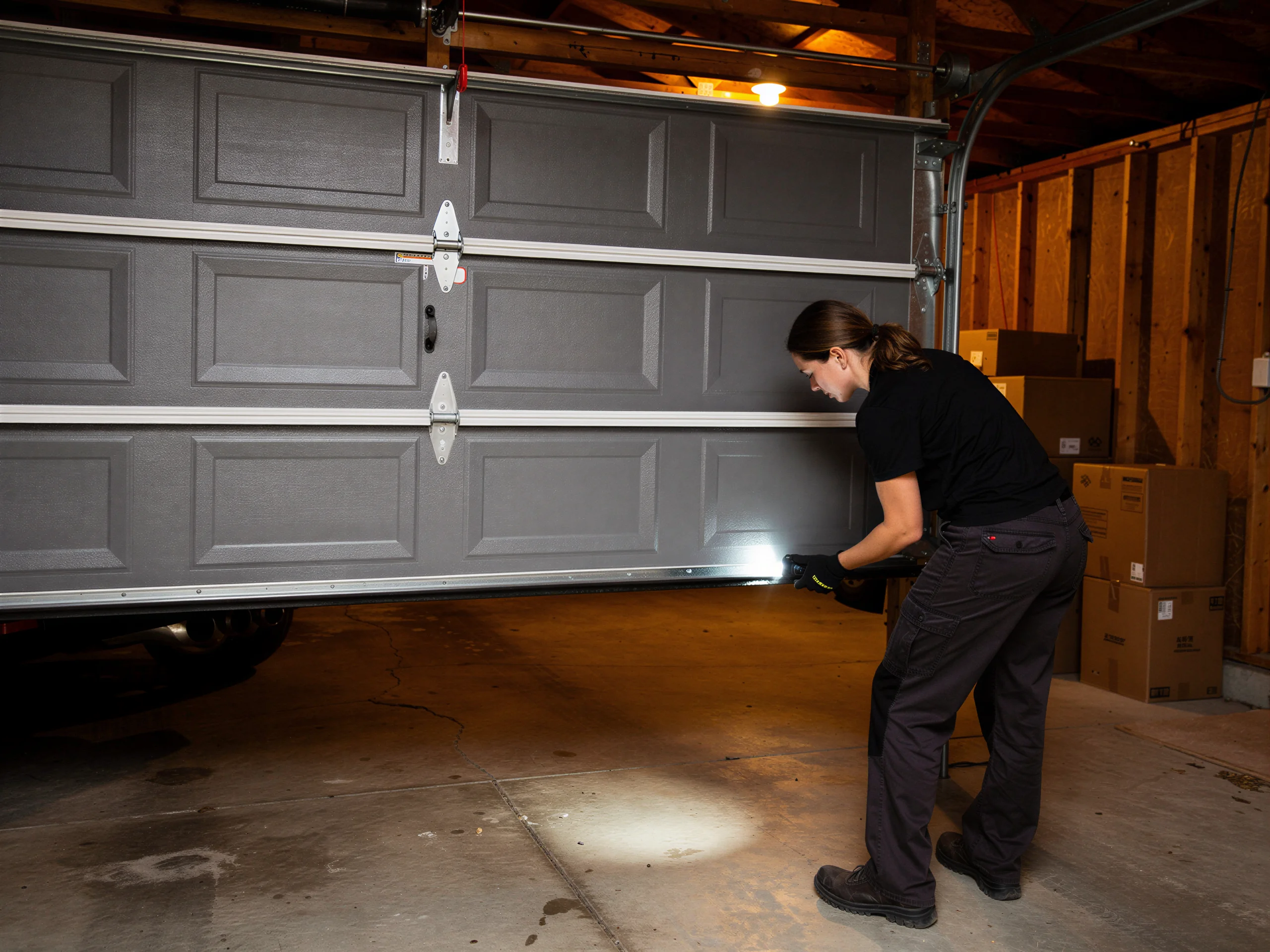
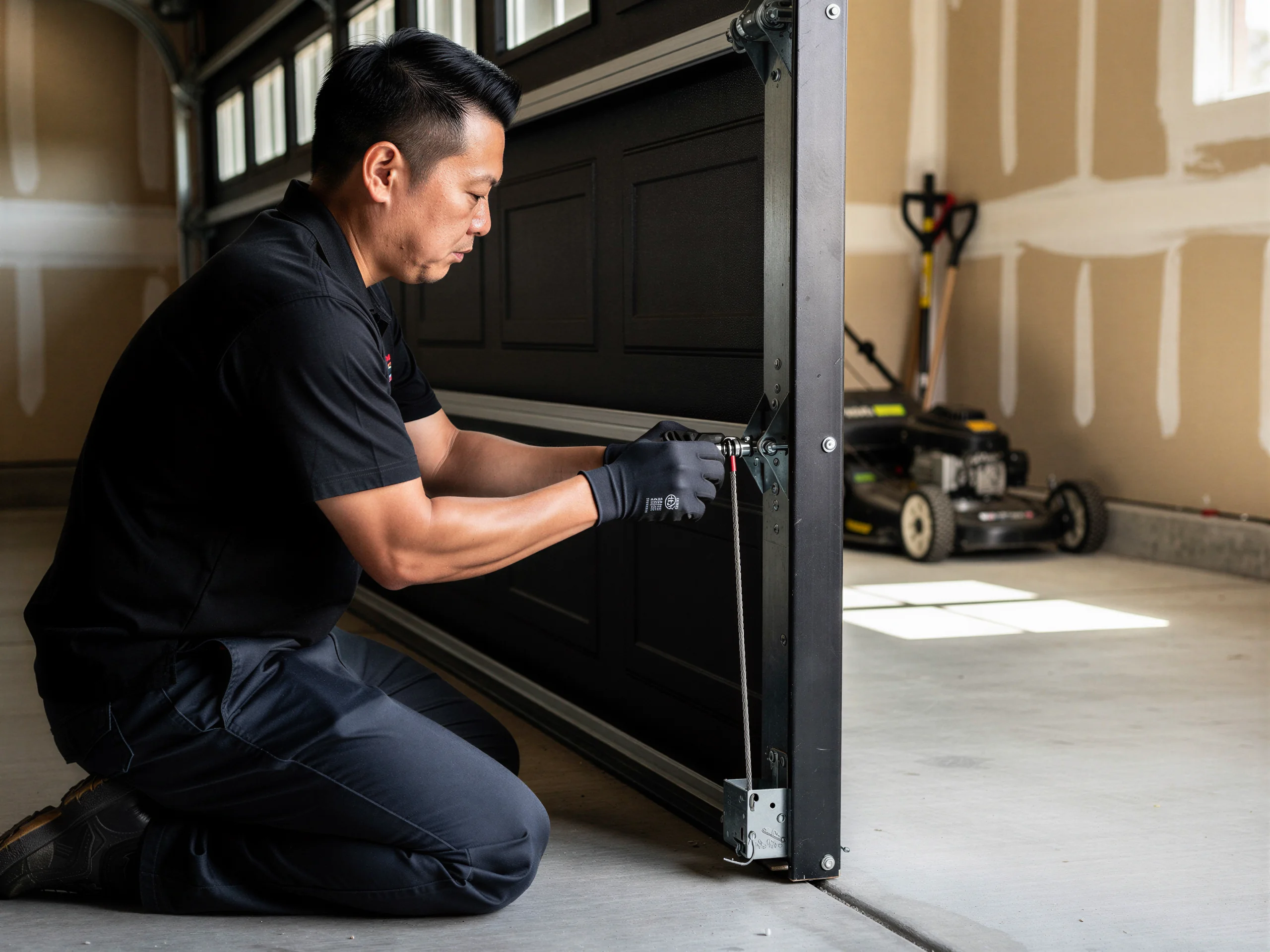
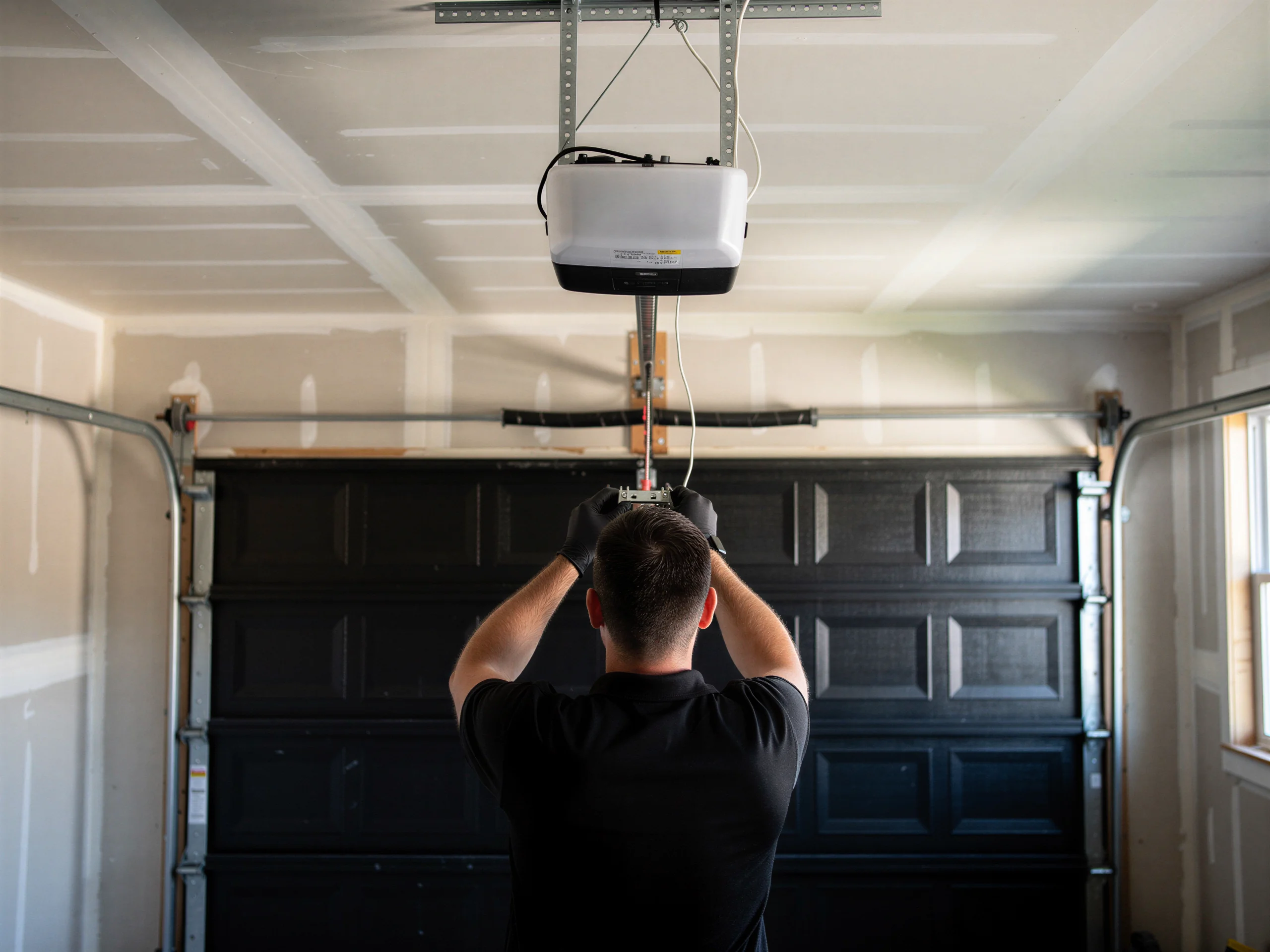
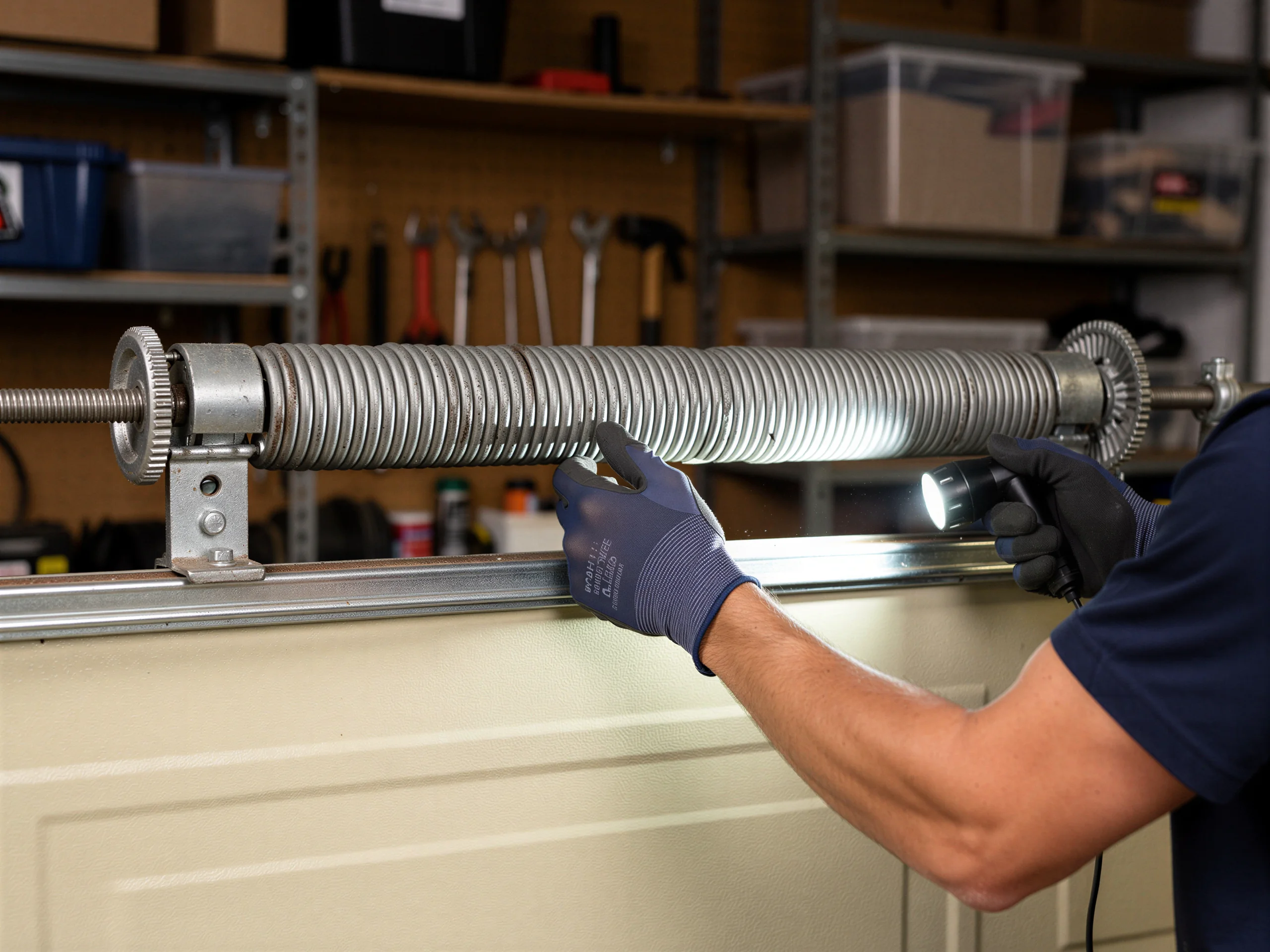
What that means in practice: fewer cases of ancient extension springs rusted onto bent rails, and more cases of builder-grade torsion springs that were undersized from day one, plastic idler pulleys that have finally worn through, or openers original to the house finally giving out after two decades of daily use. The failures in Tea skew toward stuff wearing out on schedule rather than stuff that was already old when the homeowner bought the place.