
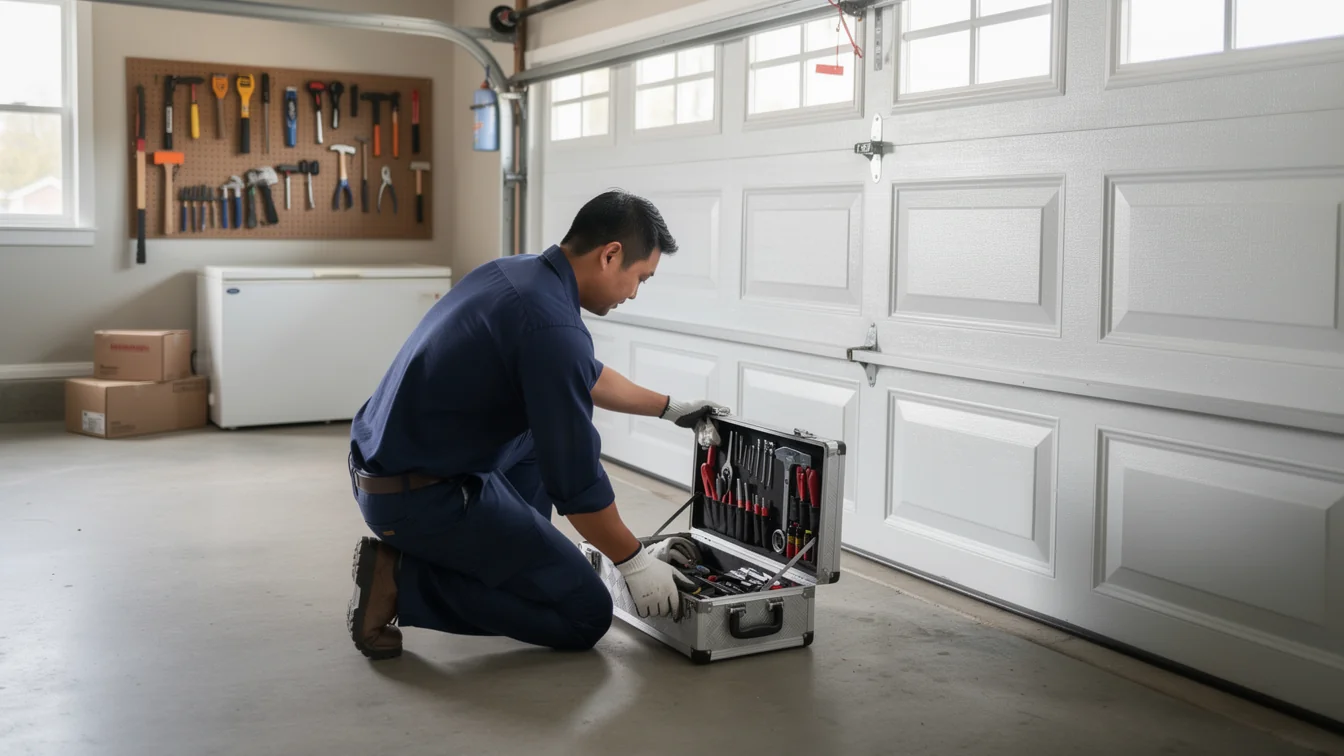
What We Actually Check When We Come Out
A look at what a garage door service call actually inspects in Sioux Falls, tied to the city's 1938-2006 housing stock and severe cold winters.
Read moreA look at why garage doors fail differently across Sioux Falls and nearby towns, tied to housing age, winter cold, and what's worth fixing versus replacing.
Local detail
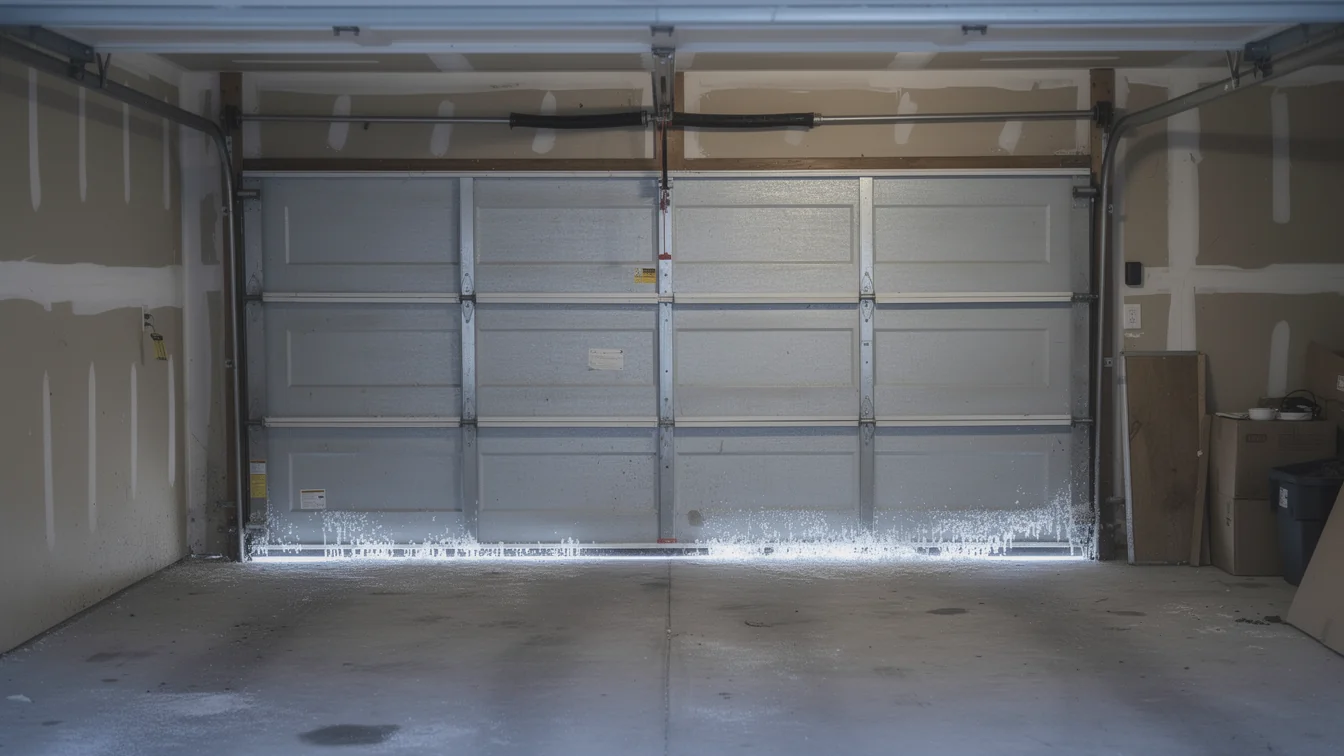
Most of the calls we take come down to one of two things: age or cold, and usually both at once. Housing in this area went up mostly between 1938 and 2006, with the median sitting at 1983, so you've got a real mix of hardware out there - older torsion setups from the 70s and early 80s, chain-drive openers from the 90s building boom, and a smaller slice of newer doors. That 1983 median matters because it's the point where a lot of original springs, if they were ever replaced, are now on their second or third cycle of wear.
Across the fourteen communities this shop covers, the stock leans heavy toward that 1980s-90s construction wave. That means a lot of doors sharing the same weak points at the same time - not because of a defect, but because they were all built in the same ten-year window and are all aging out together. When one neighbor's spring goes, it's a decent bet the house two doors down is running the same part, installed the same year, under the same wear. We see clusters of failures for exactly this reason, not because anything is wrong with the brand or the install.
So when you ask what's going on with your door, the honest answer usually starts with when the house was built, not what the door looks like from the driveway.
The area
This region sits in a severe cold climate band, and that changes what breaks first. Steel contracts in the cold, lubricant thickens, and a torsion spring that's been fine all summer suddenly feels tight and noisy the first hard freeze of the year. Nylon rollers that were quiet in July start to squeal in January because the grease inside the bearing has stiffened up. None of this is a defect - it's just what cold metal and old grease do together.
Homes built in the earlier part of that 1938-2006 range often have less insulation around the garage itself, meaning bigger temperature swings between the inside and outside of the door panel. That swing stresses seams and hinges more than a consistently cold space would. Owners in this situation tend to notice a door that worked fine in October and started binding by December - that's the cold doing its job on hardware that was already due for attention.
We also see openers struggle in cold garages more than people expect. A chain-drive unit from the 90s, run in a sub-zero garage, draws more current and strains the gears more than the same unit would in a heated space. It's not that the opener is failing on its own schedule - the climate is pulling that schedule forward.
What we find
The biggest mistake we see is treating a noisy door as a lubrication problem when it's actually a tension problem. WD-40 on a spring that's lost tension from twenty-plus years of cycling doesn't fix anything - it just quiets it down for a week. Given that median build year of 1983, a lot of the springs we're called out on are old enough that the metal itself has fatigued, and no amount of oil changes that.
The second mistake is assuming replacement is always the expensive option. With median household income in this area running $96,228, a lot of owners in Harrisburg, Tea, and the surrounding towns are in a reasonable position to replace a worn door outright rather than keep patching an original 1980s panel that's rusting at the bottom corners and warping at the seams. We'll always tell you honestly when a repair makes sense - sometimes it's just a spring and a service call. But when the whole door is original to a house built decades ago, repair costs start stacking up fast, and at some point you're paying to delay the inevitable.
One limitation worth naming: we don't stock every obsolete part for every discontinued opener model from the 80s and 90s. Some of those parts take time to source, and sometimes they're simply not made anymore.
How we work
Before you call anyone, there are a few things worth looking at. Stand the door up halfway and let go - if it drops or shoots up on its own, the spring tension is off, and that's not a DIY fix, that's a service call. Check the bottom corners of the panel for rust or soft wood, especially on doors original to houses from the 1938-1983 range; that's where water sits longest.
Listen to the opener under load. A grinding sound when it's cold but not when it's warm usually points to gear wear made worse by the cold, not a wiring issue. Check the weatherstripping along the bottom - across this climate band, cracked or flattened seal is one of the most common reasons owners say their garage feels colder than the rest of the house.
If your home falls in that 1980s-90s construction wave that makes up most of the stock across this service area, it's worth knowing the approximate age of your door and opener before you call. That alone narrows down whether you're looking at routine wear or a part that's simply reached the end of what twenty-plus Dakota winters will let it do.
Questions
Cold stiffens the grease in rollers and bearings and tightens up metal components generally. A door that was quiet in warm months often gets noisy fast once temperatures drop into the severe range this area sees every winter. It's usually wear that was already there, surfaced by the cold.
Depends on the part. A faded panel is cosmetic. A spring or opener from a house built in the 1938-2006 range that's never been serviced is a different story - metal fatigues and gears wear regardless of how the door looks from outside.
If it's just a spring or a roller, repair usually makes sense. If the panel itself is rusting, warped, or the opener is original and failing, replacement often costs less over time than repeated service calls on parts nobody makes anymore.
Not always. Some discontinued models from the 80s and 90s use parts that are hard to source or no longer made, which can mean a longer wait or a recommendation to replace rather than repair.
Recommendation
More garage door guides for Sioux Falls homeowners.
A look at what a garage door service call actually inspects in Sioux Falls, tied to the city's 1938-2006 housing stock and severe cold winters.
Read more
Sioux Falls homes built mostly between 1938 and 2006 carry specific garage door noises tied to age and cold winters.
Read more
Most Sioux Falls homes date to the 1980s and 90s, and our winters are hard on original doors.
Read moreReady when you are
Sioux Falls Garage Door Co repairs and installs garage doors, springs and openers in Sioux Falls, SD and the surrounding area.