
Upgrading to insulated panels
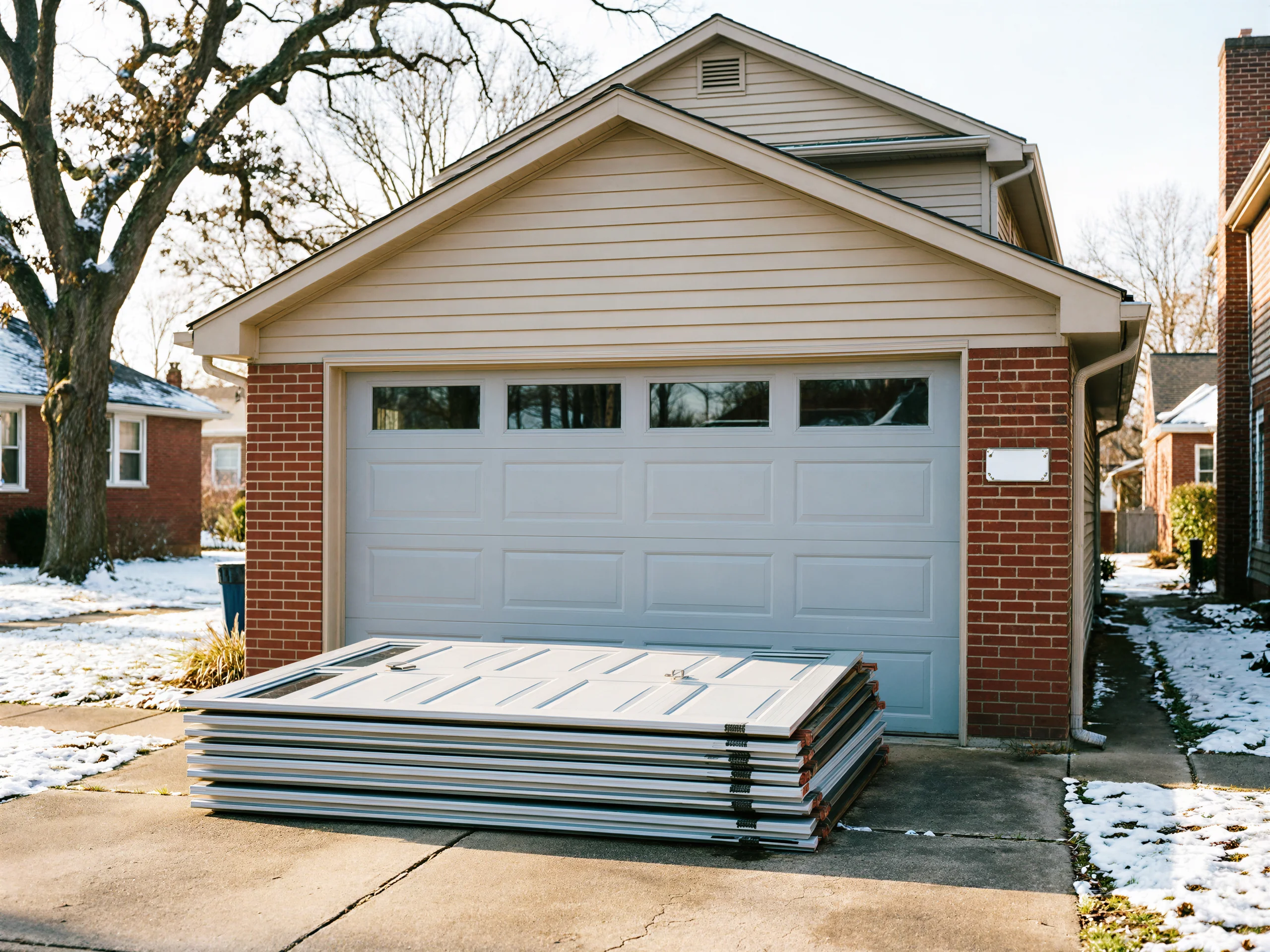
For houses built in Brandon's era, that usually means moving up from the thin single-layer panel to a two-layer insulated door, which changes the spring math and the opener load both.
Brandon, Sioux Falls
Brandon's housing stock runs newer than most of the area, with a median build year of 2000. We size doors and springs for that stock, out of our Sioux Falls shop.
On the truck
For new installs we stock insulated steel sections in standard widths and heights, along with torsion springs we size to the actual door weight rather than reusing whatever was on the opening before.
For houses built in Brandon's era, that usually means moving up from the thin single-layer panel to a two-layer insulated door, which changes the spring math and the opener load both.
We carry openers with battery backup as an option, which matters more here given the cold-weather power outages that come with a severe winter climate - a dead opener in January with no manual release working right is a bad night.
One limitation worth saying plainly: non-standard sizes or custom window inserts aren't something we keep on the truck. Those get special-ordered, and that adds lead time we'll tell you about up front rather than after you've already picked a door.
Our process
We start by measuring the opening itself, not trusting the old door's dimensions, since twenty-plus years of settling can shift a frame slightly even on newer construction.
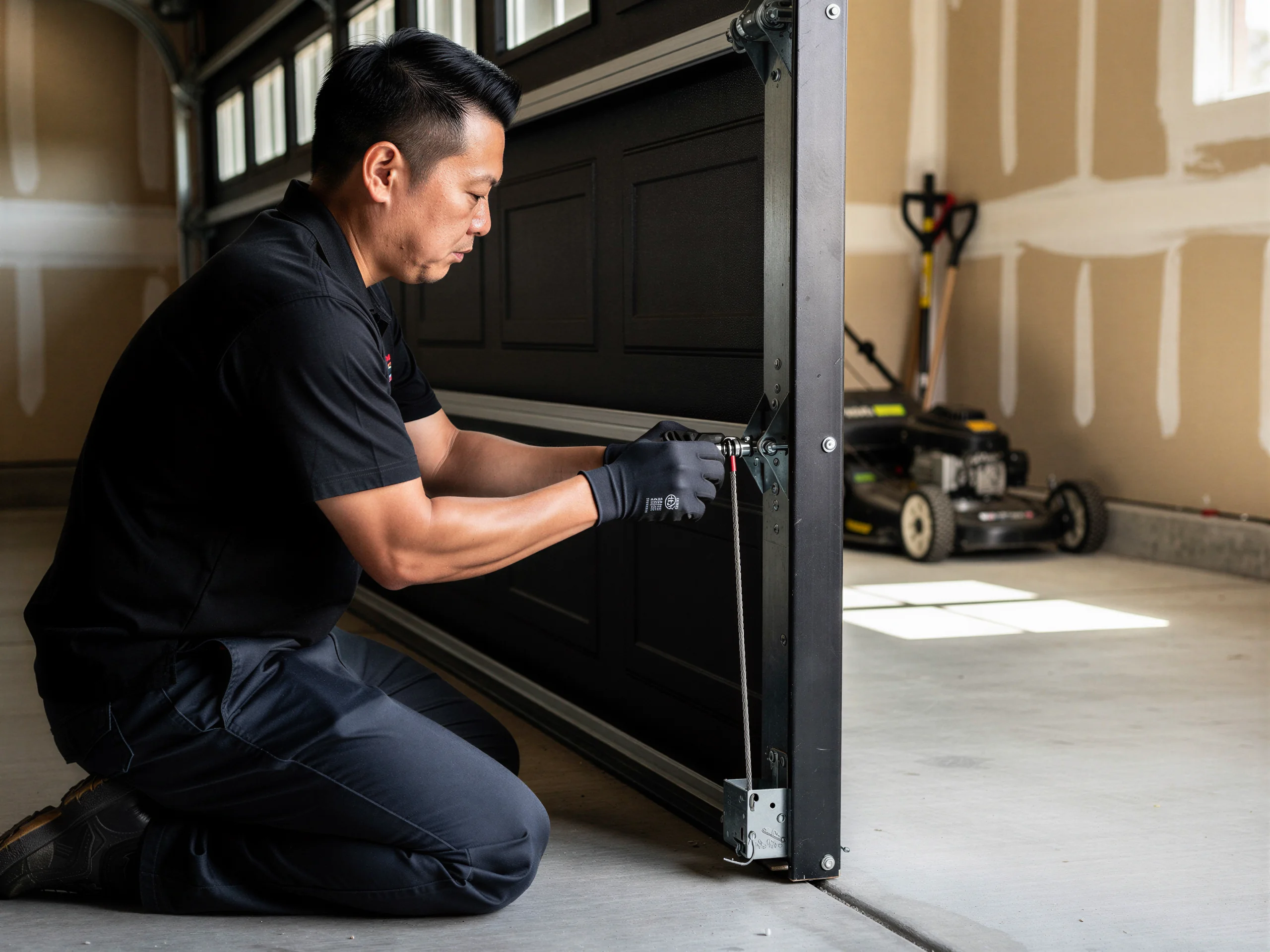
From there we size the spring to the new door's actual weight - insulated panels run heavier than the original builder-grade steel, and an undersized spring shows up as a door that's hard to lift within the first year. Track gets reset plumb, not just reused if it's still standing.
If you're keeping the existing opener, we check it against the new door's weight before connecting it; if it's not rated for the load, we'll tell you rather than hook it up anyway and let it fail in a year.
Last step is testing the auto-reverse safety function and the manual release, since that's the part people forget to check until the day the power's out and they need it.
Job timing
Serving Sioux Falls, SD
A full replacement - door, track, springs, opener if you want it swapped too - is usually a one-day job once we're on site. What varies is the lead-in. Brandon's housing stock runs newer than the rest of the area we cover: median build year here is 2000, compared to 1983 across the wider service territory. That matters for install day because newer openings tend to be squarer and the framing more consistent, which cuts down on the shimming and bracket rework that eats time on older houses.
We travel from Sioux Falls, about 8 miles out to Brandon, so we build drive time into the schedule rather than promising a same-hour arrival. If your opening needs a non-standard size or your door was one of the taller builder-grade units common in early-2000s construction, that can add time for fitting trim and weatherseal correctly rather than just bolting on a stock panel.
Pricing
We don't post a flat number here because the cost swings on door size, insulation level, and whether the opener gets replaced alongside the door.
What we can tell you is what drives the estimate for a town like Brandon: household income in the area runs well above the regional median - $104,806 here against $96,228 across the broader service territory - and that tends to show up in requests for insulated doors and quieter belt-drive openers rather than the base steel slab option.
We'll walk the opening with you, measure for spring weight and header clearance, and give you a number before any work starts. No deposit surprises, no change order after the fact unless something behind the old door - rot, a bent track nobody mentioned - turns up once we pull it off.
Watch-outs
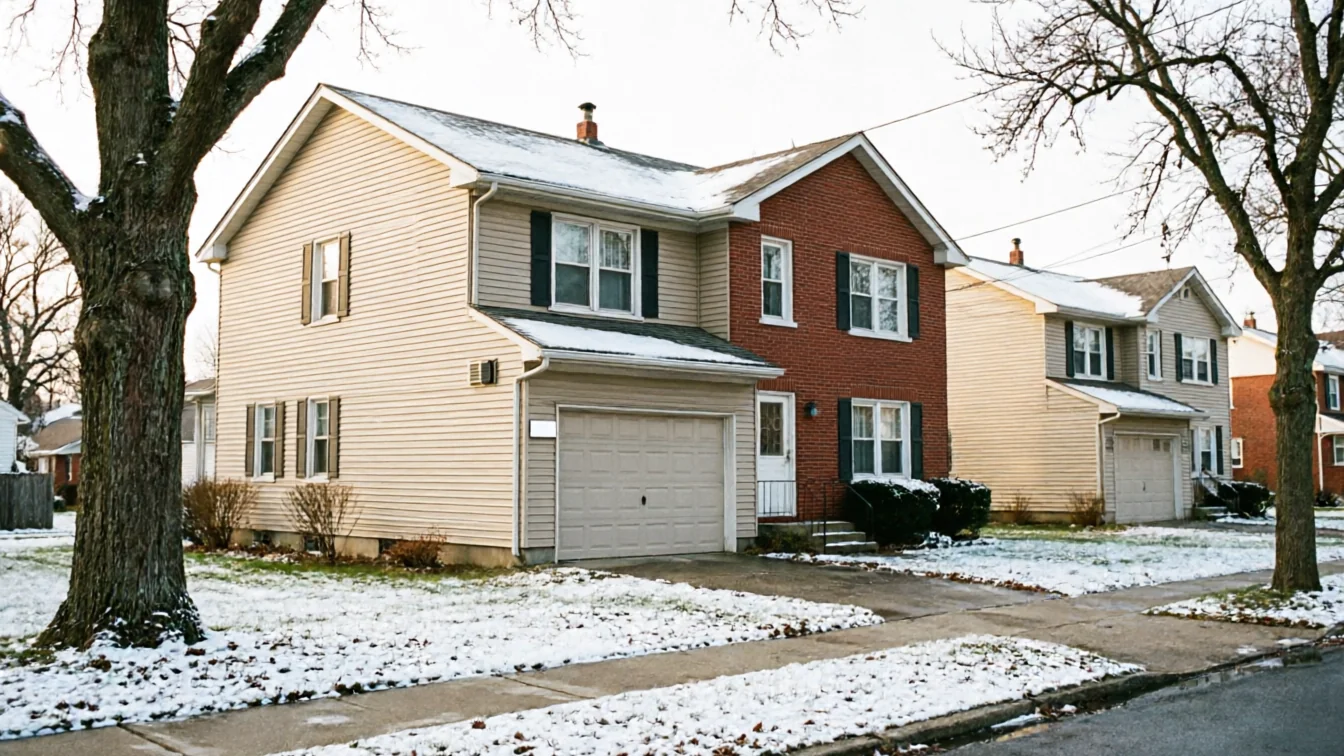
The most common mistake we see on newer construction like Brandon's isn't a bad door, it's a mismatched opener left over from the original build. Builder-grade doors from the 2000-era construction boom often shipped with the cheapest opener that would turn the shaft, sized to the original panel weight. Swap in a heavier insulated door later without upgrading the opener and you get a unit straining against a load it was never rated for - slow close, reversing mid-cycle, a motor that burns out in two or three years instead of ten.
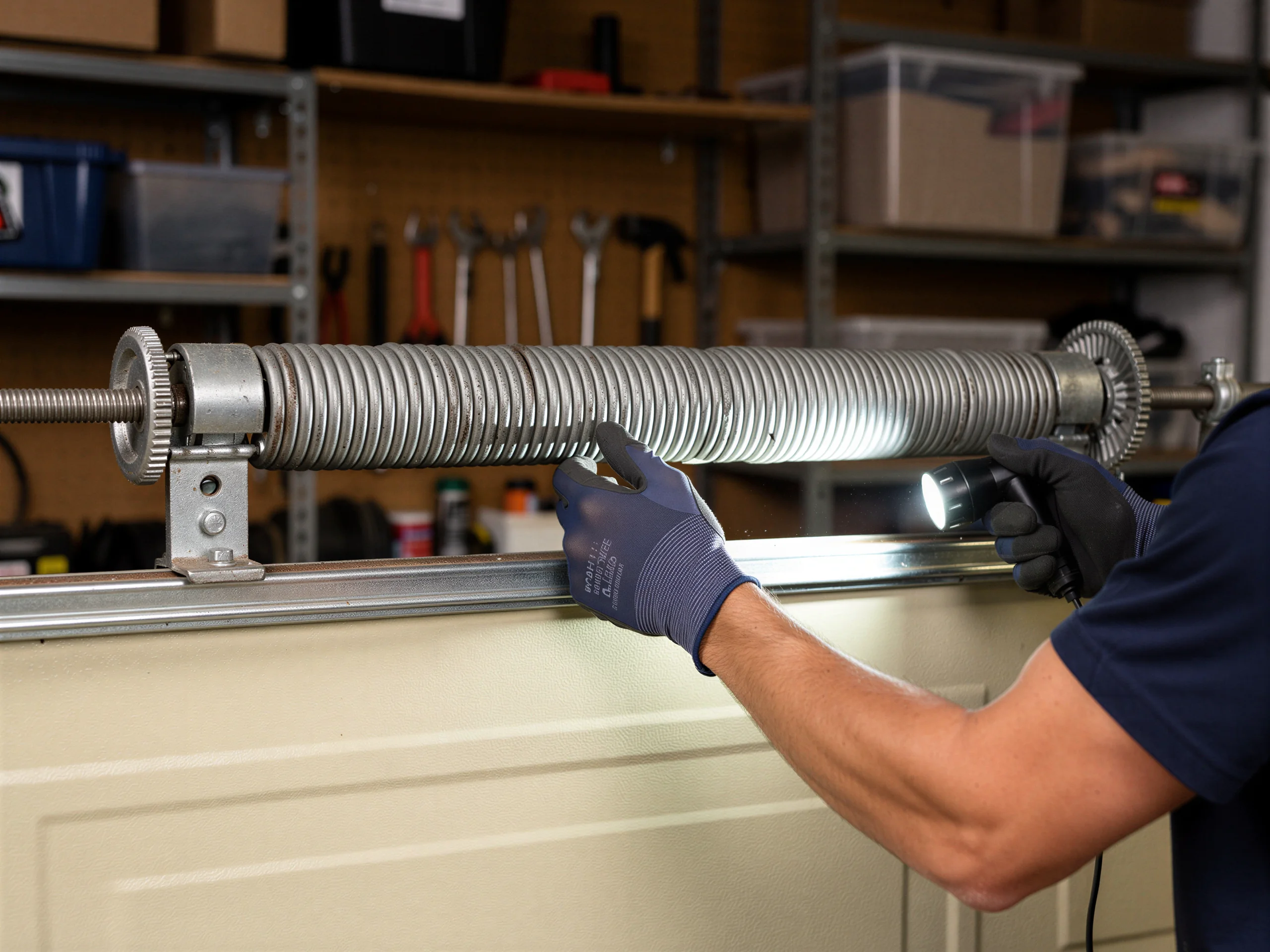
The other failure point is springs sized for the old door, not the new one. Carry over the original torsion spring to save money on an insulated upgrade and you've just shortened its life and made the door heavy to lift by hand if the opener ever fails. Both mistakes are easy to avoid at install time and expensive to fix after.
Local causes
Brandon's median build year of 2000 puts most of its garage doors and openers at twenty-plus years old now, right at the point where original hardware starts failing in clusters rather than one at a time. Builder-grade steel doors from that era were rarely insulated - fine for a door that just sits there, less fine once you're parking a vehicle you want above freezing, or using the space as a shop.
The climate band here is severe cold, and an uninsulated steel panel from 2000 does nothing to buffer that. Add a couple decades of expansion and contraction on the panel seams and the hardware that held up fine in year one starts showing play - loose hinges, rollers that have worn their tracks oval. None of that is dramatic failure, it's just a door quietly getting worse until the day it doesn't open.
Questions
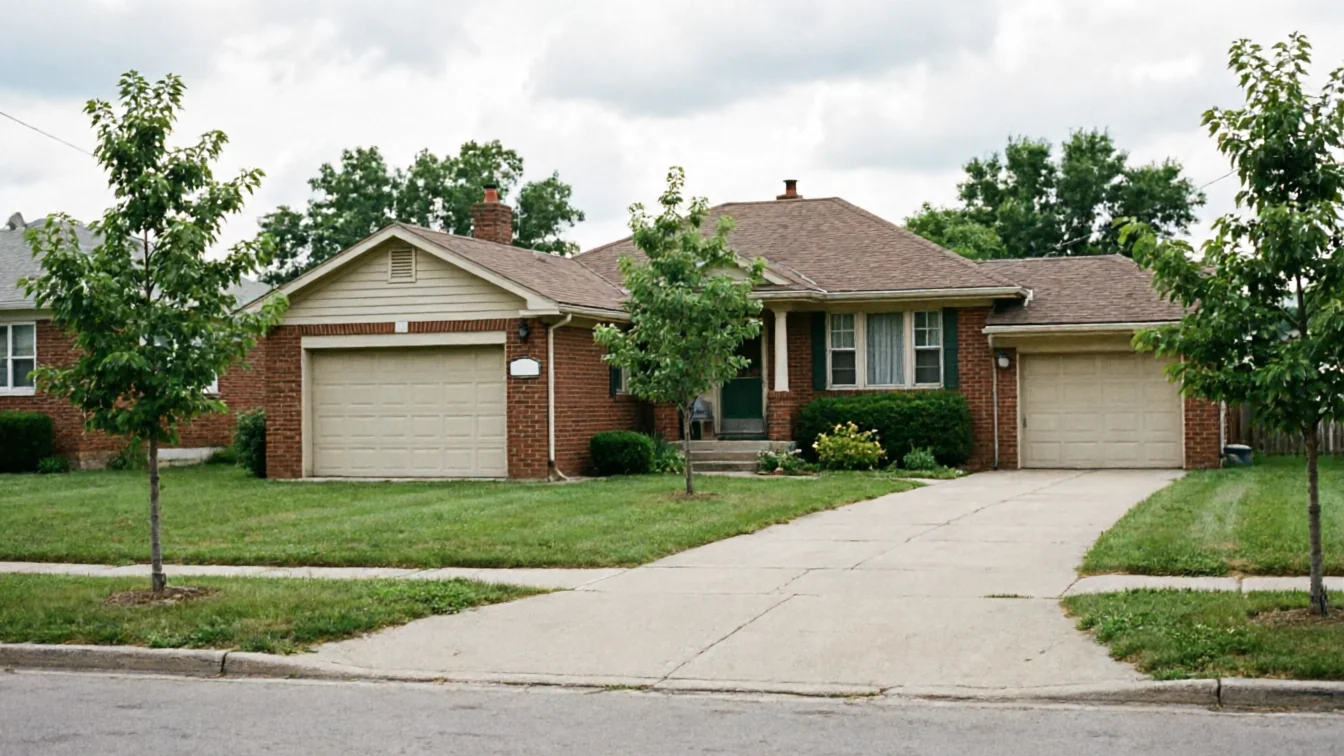
Not always. A lot of Brandon homes went up around 2000 with openers sized for a lighter, uninsulated steel door. Swap in a heavier insulated panel and keep the old opener, and you risk a motor straining against more weight than it was built for. We check the rating before connecting anything.
We work out of Sioux Falls, about 8 miles from Brandon, so we schedule install days rather than promise same-hour arrival. Most full installs take one day once we're on site; the scheduling lead time depends on whether your door size is a stock item or needs to be ordered.
Hinges loosen and rollers wear their tracks oval over two decades, which adds friction the opener has to fight. It's rarely one dramatic failure - it's small wear adding up until the door that lifted easily in 2001 is a strain by now.
Given the severe cold winters here, most owners upgrading an original builder-grade door do move to an insulated panel, especially if the garage is attached or used as a workspace. It does change the spring sizing, which we account for at install.
Explore more
Ready when you are
Sioux Falls Garage Door Co repairs and installs garage doors, springs and openers in Sioux Falls, SD and the surrounding area.