
Replacement math shifts
On a door that's 15-20 years old with a cracked panel or a worn opener, the math that makes sense in an older, lower-income neighborhood doesn't always hold here.
Brandon, Sioux Falls
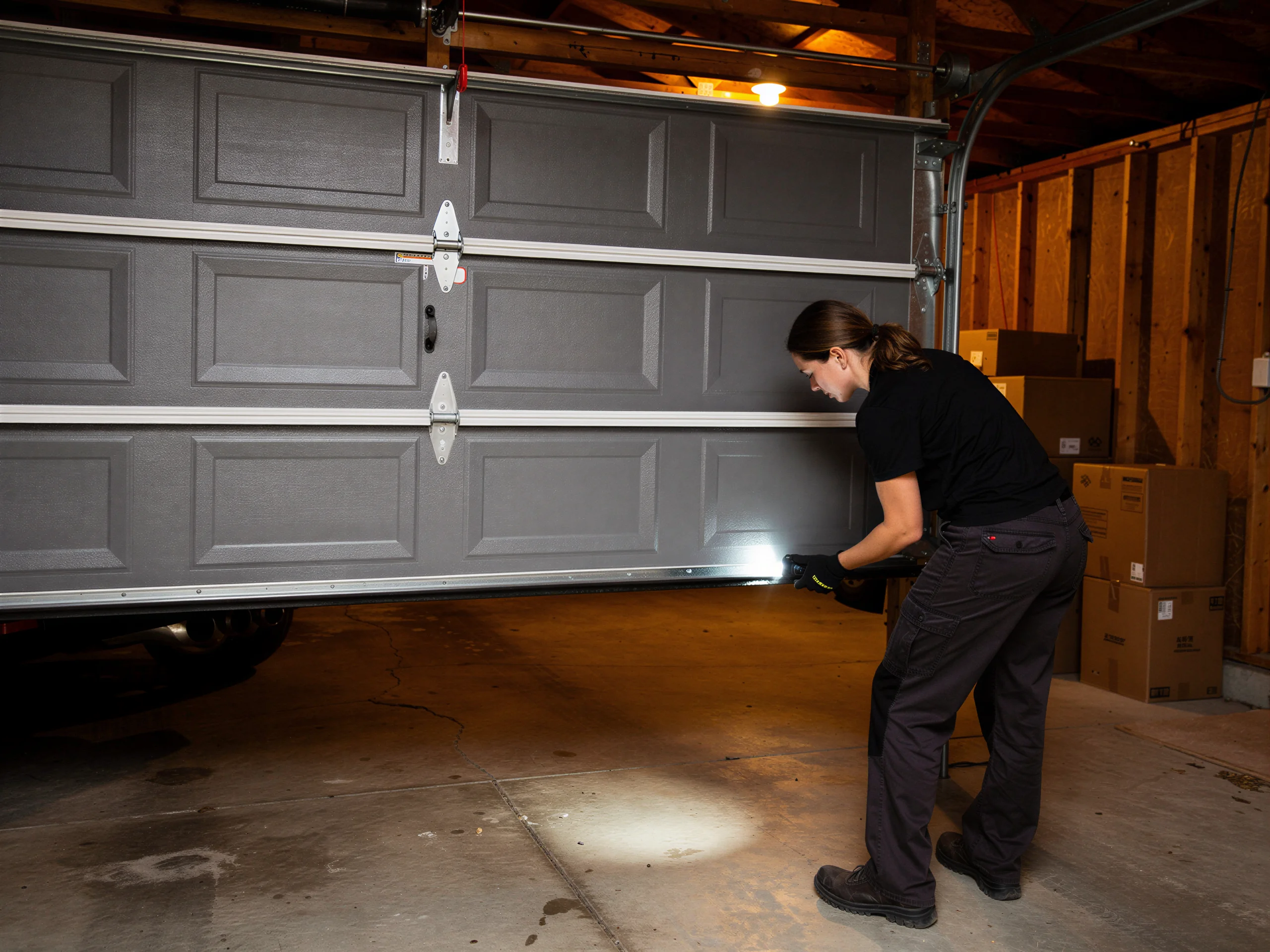
Brandon homes mostly date to 2000, newer than the Sioux Falls average. We cover torsion and opener repairs here, traveling 8 miles from our Sioux Falls shop.
On the truck
For doors in the 2000-and-newer range that make up most of Brandon's housing, we stock the torsion springs, rollers, and cables sized for standard residential door weights, plus common opener parts - drive gears, sensor units, remotes - for the chain and belt-drive systems that became standard in that era. What we don't keep on the truck: parts for older extension-spring systems or obsolete opener models, since that's less common in a neighborhood built mostly after 2000. If your door happens to be an older model on a newer lot, or you've got a specialty panel size, we may need to order a part rather than complete the job same-visit. We'll tell you that up front rather than string you along, and we'd rather order the right part once than install something that's close enough and fails again in six months.
Our process
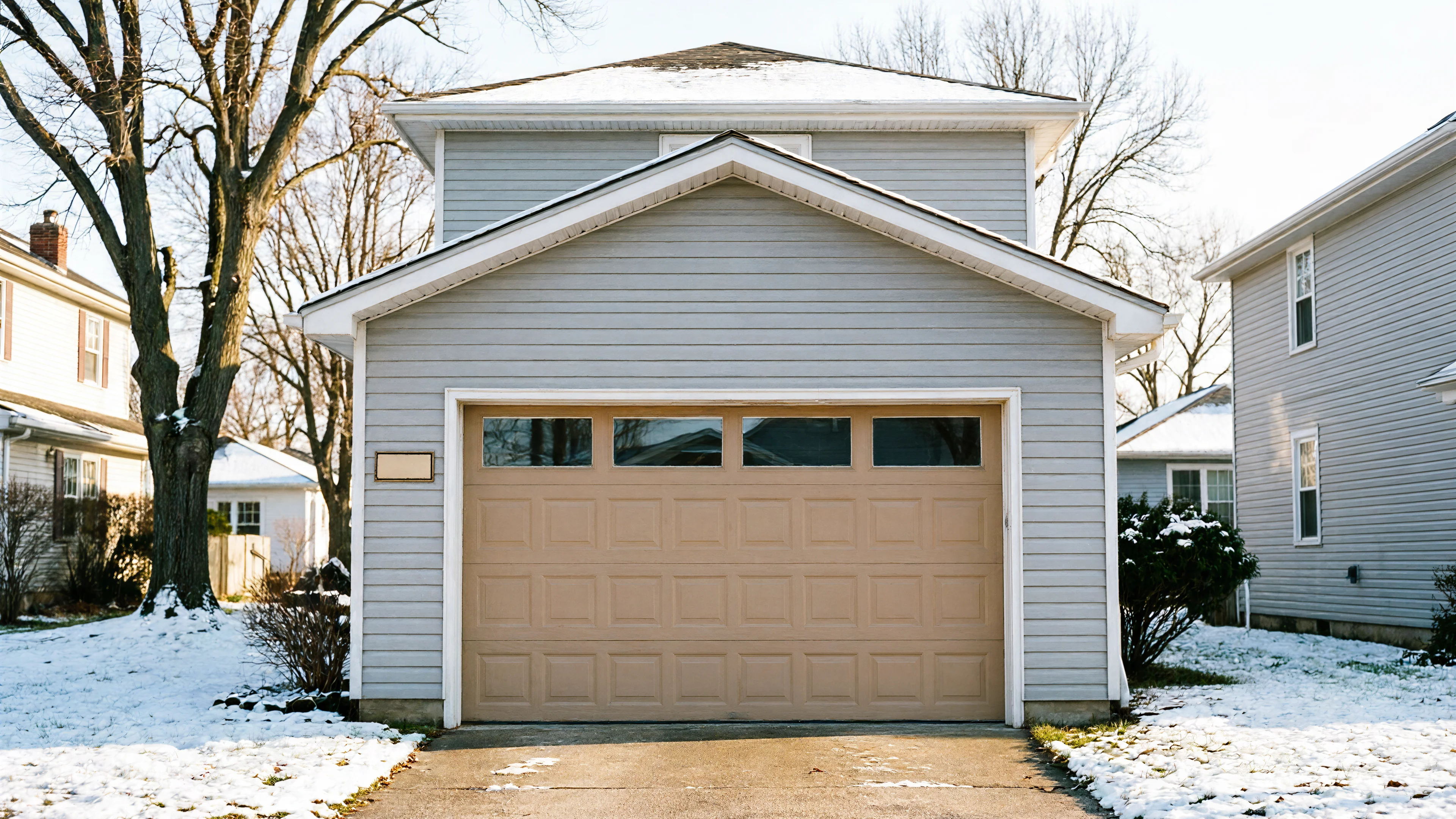
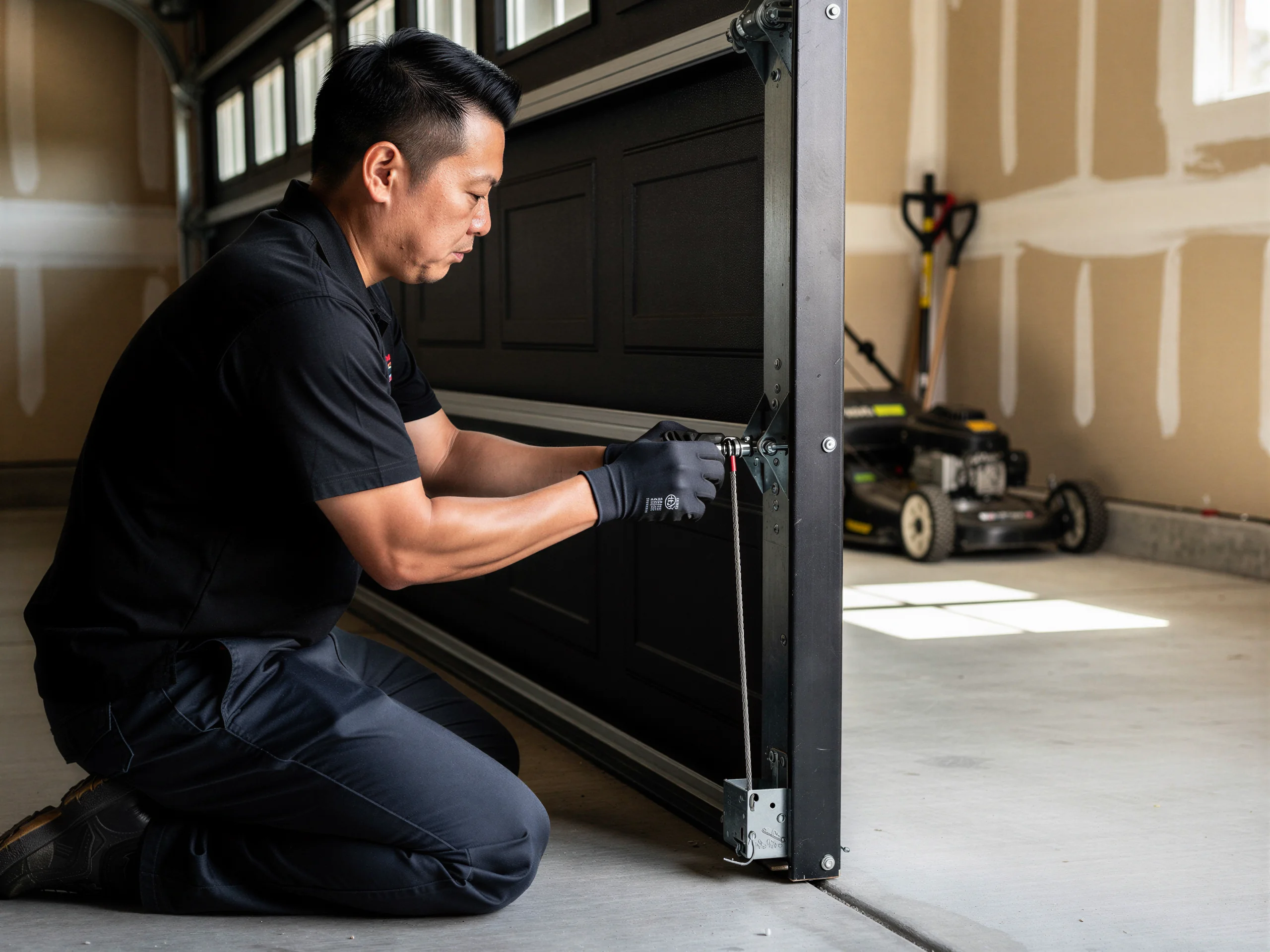
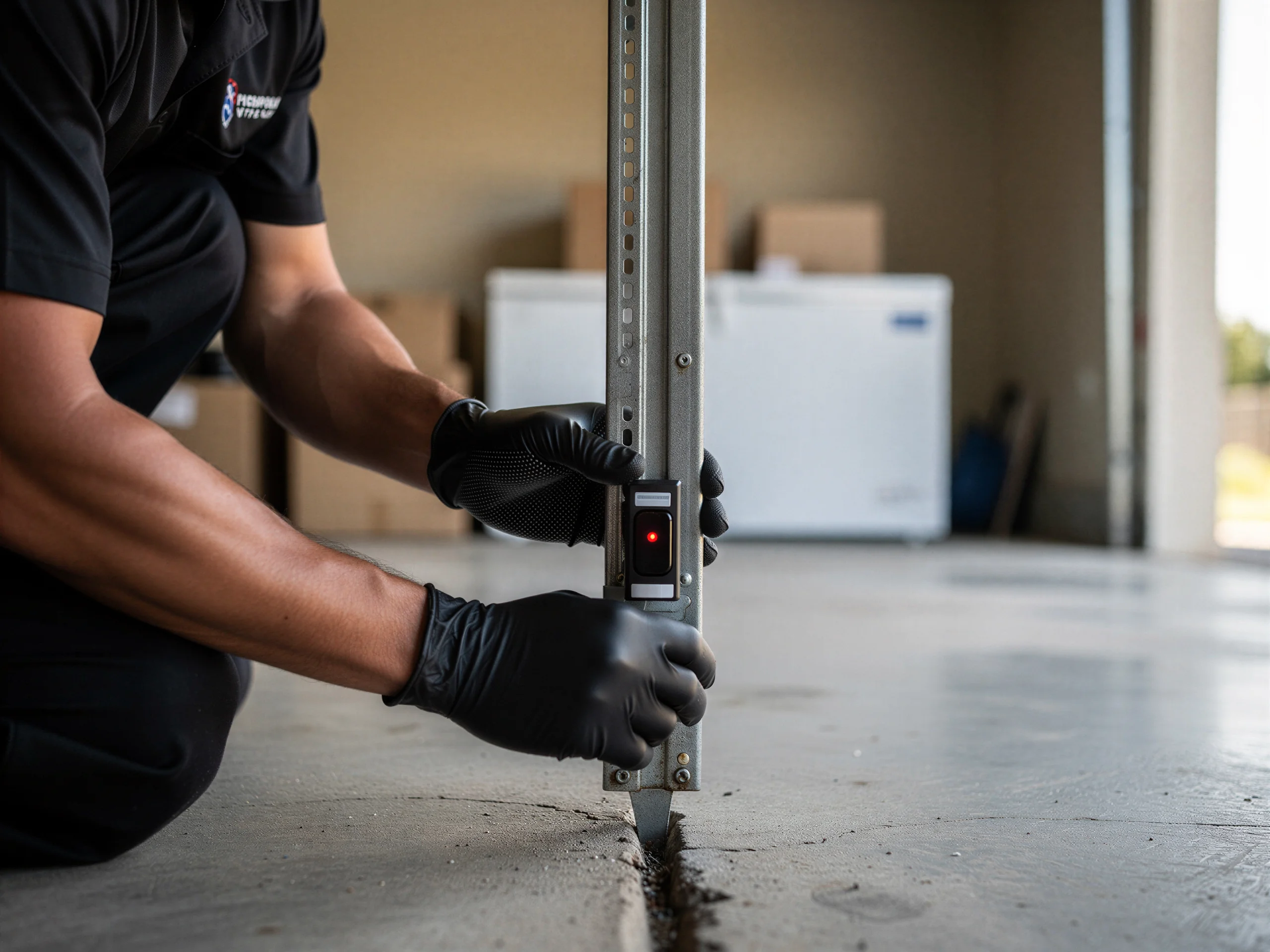
We start by checking the door's full cycle - balance, track alignment, spring tension, opener response - before touching anything, because a door that won't close could be any one of four separate problems and we don't want to replace a spring when the real issue is a sensor.
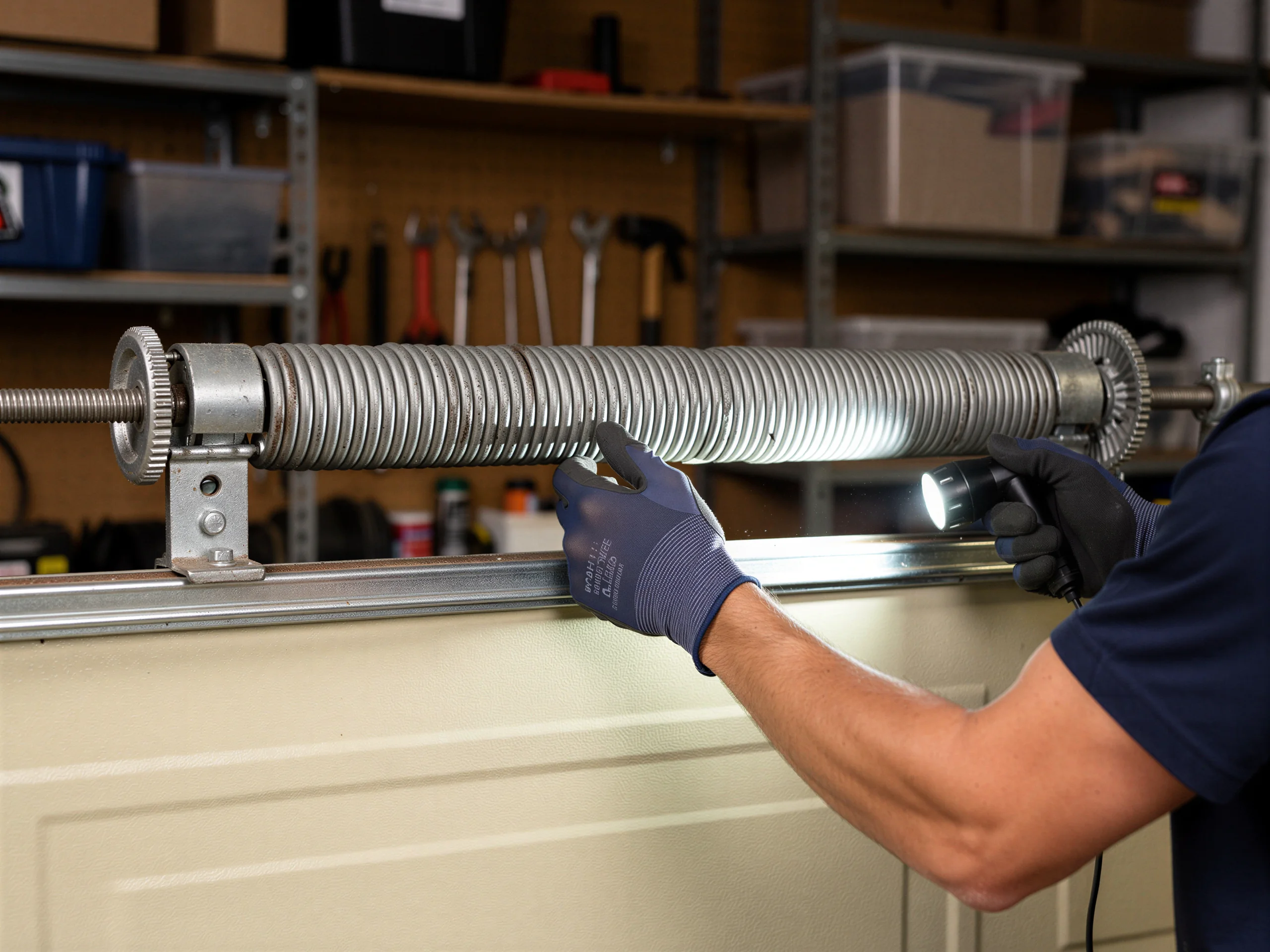
For a torsion spring failure, we size the replacement to the door's actual weight rather than guessing off the old spring's rating, since factory springs on newer builds are sometimes undersized for later add-ons like insulation retrofits.
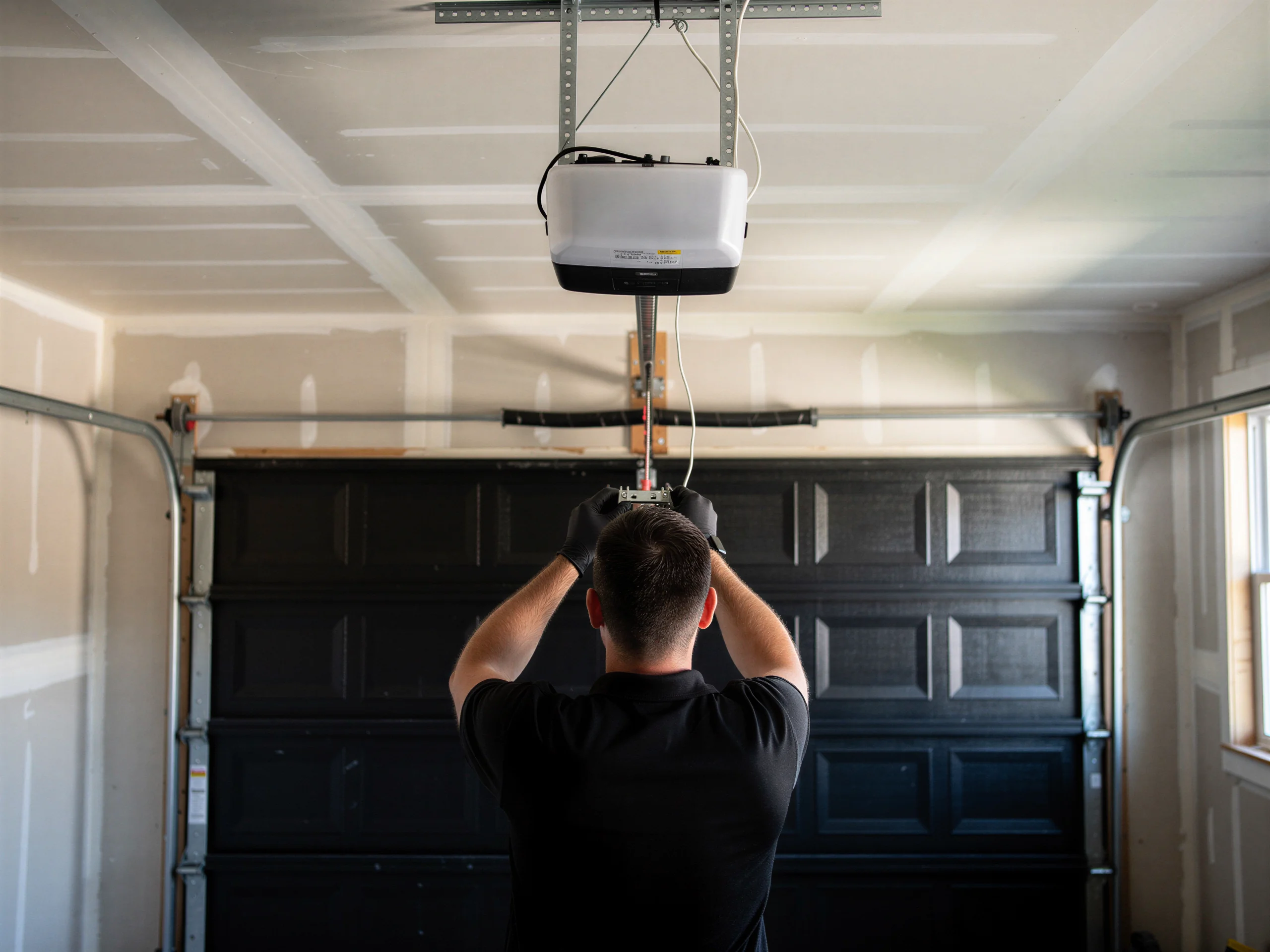
For opener issues, we test the logic board, sensors, and drive mechanism separately. Where the hardware is original to a house built since 2000, we're usually working with newer, more standardized parts, which keeps the repair contained instead of turning into a search for discontinued components.
We finish every repair with a full cycle test under load, not just a visual check, because a door that looks fine standing still can still bind or drop under real weight.
Job timing
We run this job out of Sioux Falls, about 8 miles from Brandon, so we don't keep a separate crew or depot here. What that means for you: we don't quote a fixed arrival window for Brandon calls the way a shop based in town could, because the drive is part of the math every time. What we can tell you is that most Brandon jobs are straightforward once we're on site. The housing stock here skews newer than a lot of the service area - median year built around 2000 - so we're usually dealing with factory torsion setups and chain or belt-drive openers from the last two decades, not the older extension-spring rigs we see in older pockets of the region. That makes diagnosis faster once the truck is in the driveway. The travel time is the one honest trade-off of covering a suburb instead of basing out of it, and we'd rather say that plainly than promise a number we can't back up.
Pricing
Median household income in Brandon runs about $104,806, noticeably higher than the roughly $96,228 median across the wider service area we cover. That matters for one decision more than any other: repair versus replace.
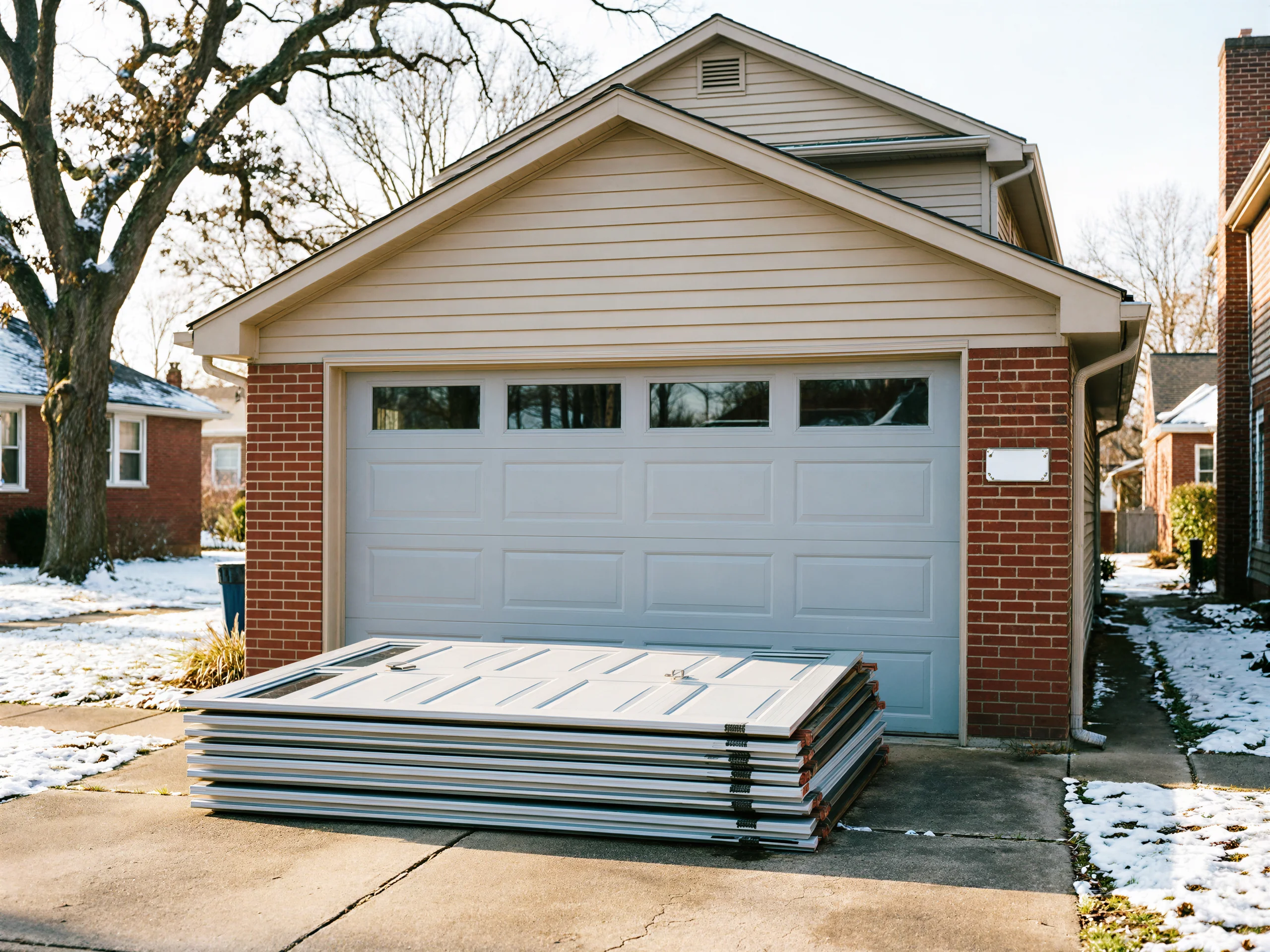
On a door that's 15-20 years old with a cracked panel or a worn opener, the math that makes sense in an older, lower-income neighborhood doesn't always hold here.
If a Brandon household is weighing a $300-400 spring repair against a full door replacement, the income numbers suggest more of that income can comfortably go toward a new door and opener system if the existing one is already showing multiple failures - rust on tracks, a motor on its last legs, panels that don't align.
We're not going to push replacement if a repair genuinely solves the problem; a single broken torsion spring on an otherwise sound door built since 2000 is almost always a repair, not a replacement conversation. But we'll tell you straight when a repair is just delaying the inevitable.
Watch-outs
The mistake we see most with newer Brandon doors - built since 2000 - is homeowners assuming a modern door can't have an old-door problem.
It can. A torsion spring installed when the house was built in, say, 2001 is now old enough to be near or past its cycle life, and springs don't announce themselves before they snap. The second place this goes sideways: opener sensors.
Newer doors here often have newer openers too, but a knocked-out safety sensor or a sensor eye clouded by dust reads the same on a 2003 opener as a 1985 one - the door won't close, and people assume the whole unit is dead when it's a five-minute fix. The third: DIY spring work.
A torsion spring under tension can seriously hurt someone, and we don't recommend attempting that repair without the right bars and clamps regardless of how new the door is. If you're not sure which of these you're looking at, don't force the door - that usually turns a cheap fix into an expensive one.
Local causes
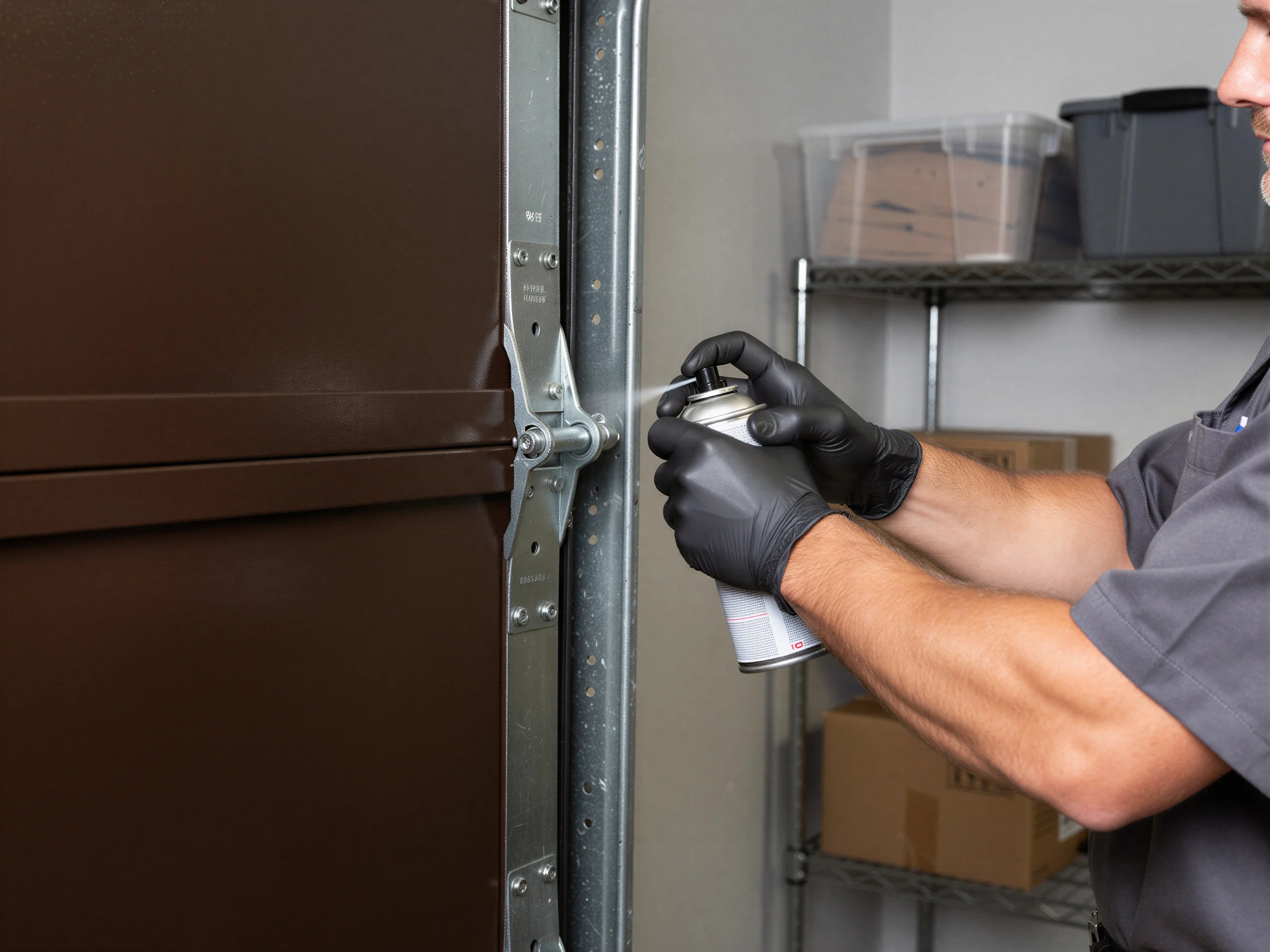
Brandon sits in a severe cold climate band, and that's the real driver behind most of the calls we get from this side of the service area, newer housing stock or not. Cold snaps stiffen lubricant in rollers and hinges, shrink metal tolerances in tracks, and put extra load on a torsion spring that's already working against a heavier door in winter air. Houses built since 2000 generally have better-sealed, heavier insulated doors than the older stock elsewhere in the region, and a heavier door means more spring tension to begin with - so when a spring does fail here, it tends to fail completely rather than partially. We also see openers struggling to sense a door that's dragging slightly from cold-stiffened rollers, which looks like an electrical problem but is often mechanical. None of this is unique to one house or one street; it's a function of the climate this whole area sits in, applied to a housing stock that's on average younger and better-built than much of the wider service territory.
Questions
No. We're based in Sioux Falls, about 8 miles away, and we drive out to cover Brandon along with the rest of the service area. We don't keep a separate crew or inventory here, so any specialty part gets ordered through our Sioux Falls stock.
No. Brandon's housing is newer on average, built mostly since 2000, but torsion springs have a cycle life regardless of the house's age. A spring installed when a 2001 house was built can be due for replacement now the same as an older one.
It depends on the door's condition, not just its age. With Brandon's household income running above the wider area's median, replacement is often financially reasonable when a door has multiple failures - rust, a dying opener, misaligned panels. A single spring or sensor issue on an otherwise sound door is almost always worth repairing instead.
Explore more
Ready when you are
Sioux Falls Garage Door Co repairs and installs garage doors, springs and openers in Sioux Falls, SD and the surrounding area.