
Silent spring snapping
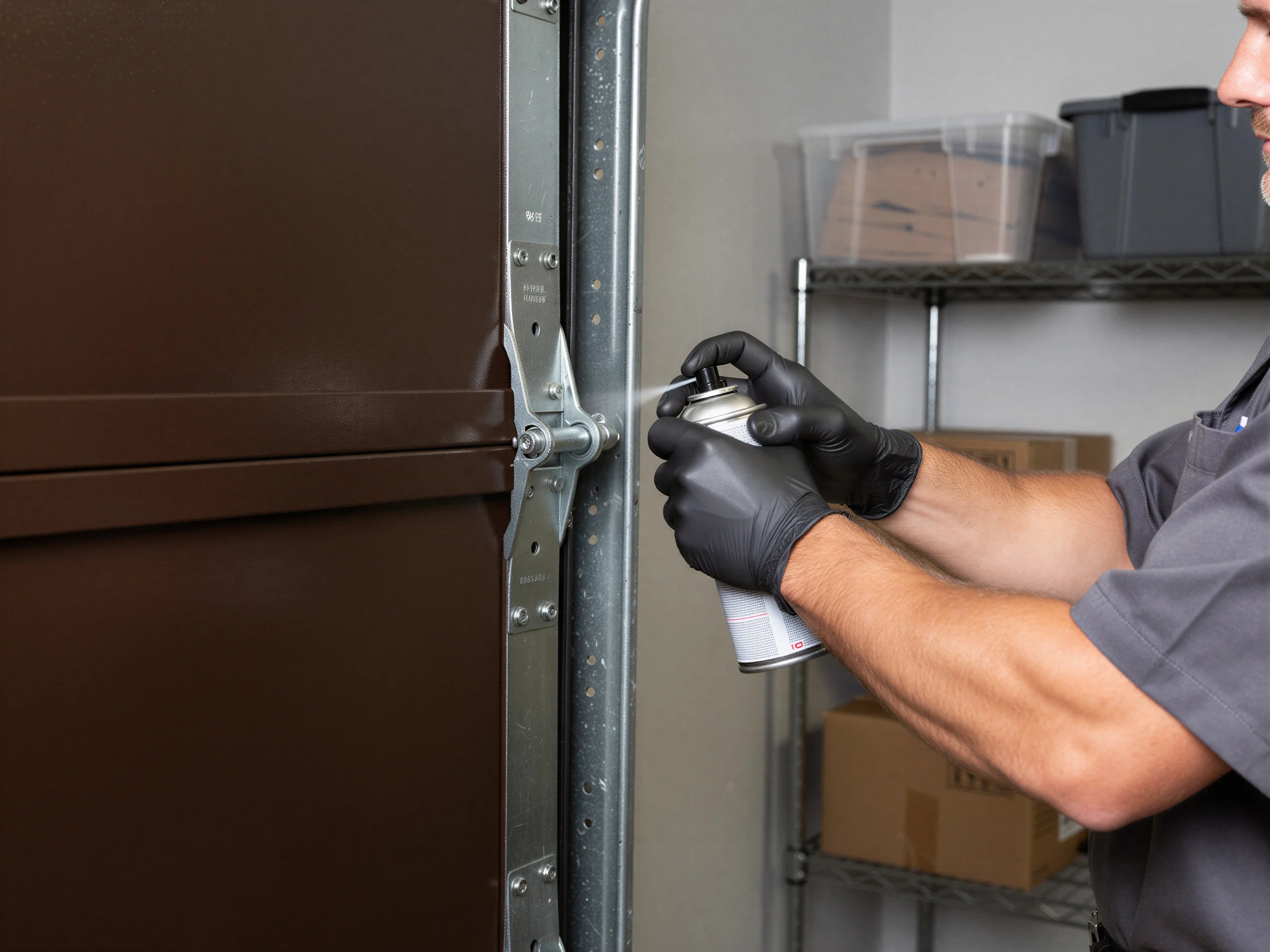
A spring doesn't usually give a warning. It winds down through thousands of open-close cycles and then snaps, often on a cold morning when the steel is stiffest.
Brandon, Sioux Falls
Brandon's housing stock runs newer than most of the Sioux Falls area, built mostly since 2000. Here's what regular maintenance actually catches on doors that age.
On the truck
For the steel sectional doors common in Brandon's housing stock, we carry standard torsion springs rated for the cycle counts and door weights typical of that era, along with galvanized rollers, lift cables, and track hardware sized for a 16x7 double or 9x7 single door. What we don't stock is anything custom - a nonstandard wood door or an oversized commercial-grade door usually means a special order, and we'll tell you that up front rather than make you wait on a truck that isn't coming today.
Our process
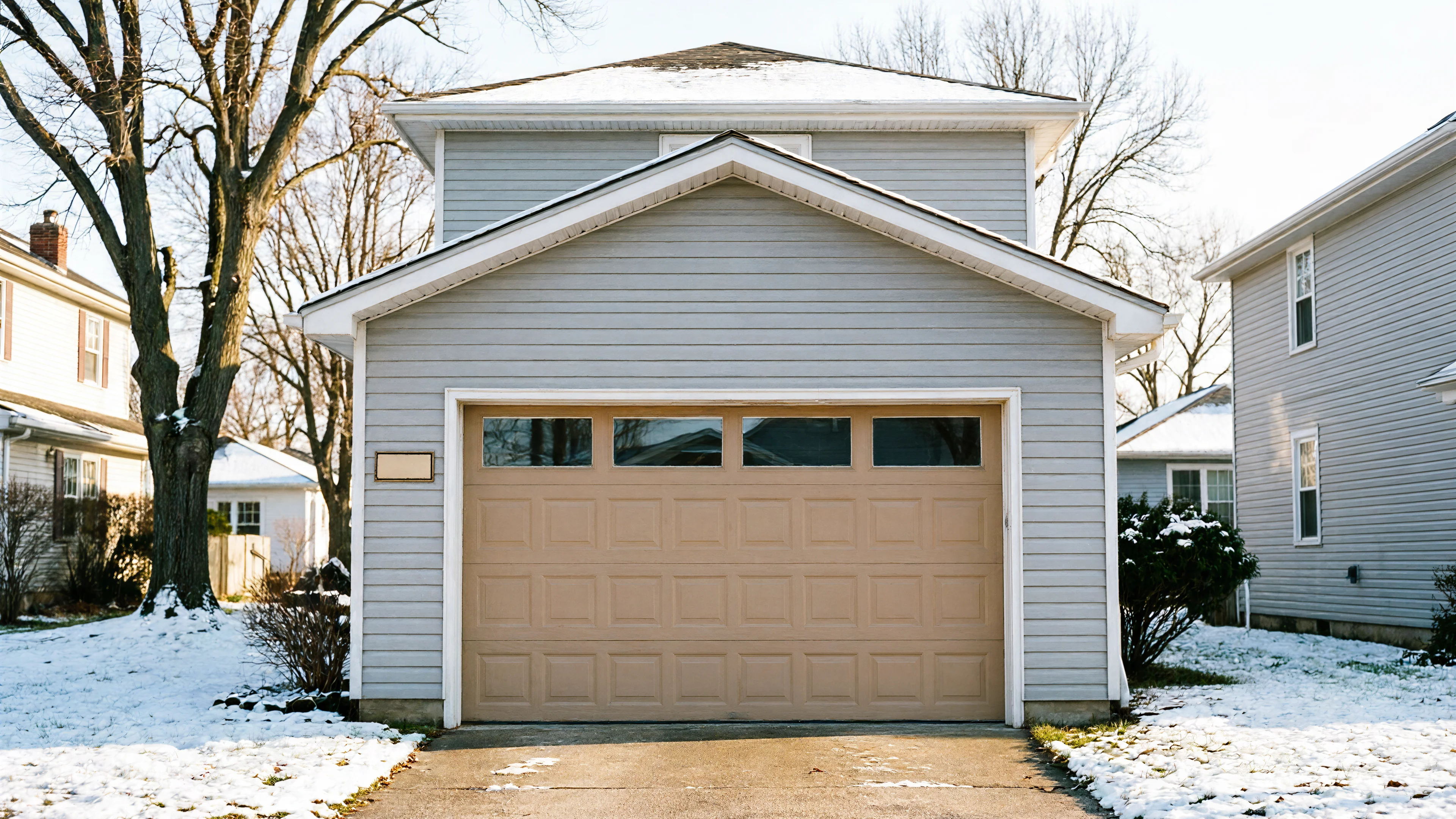
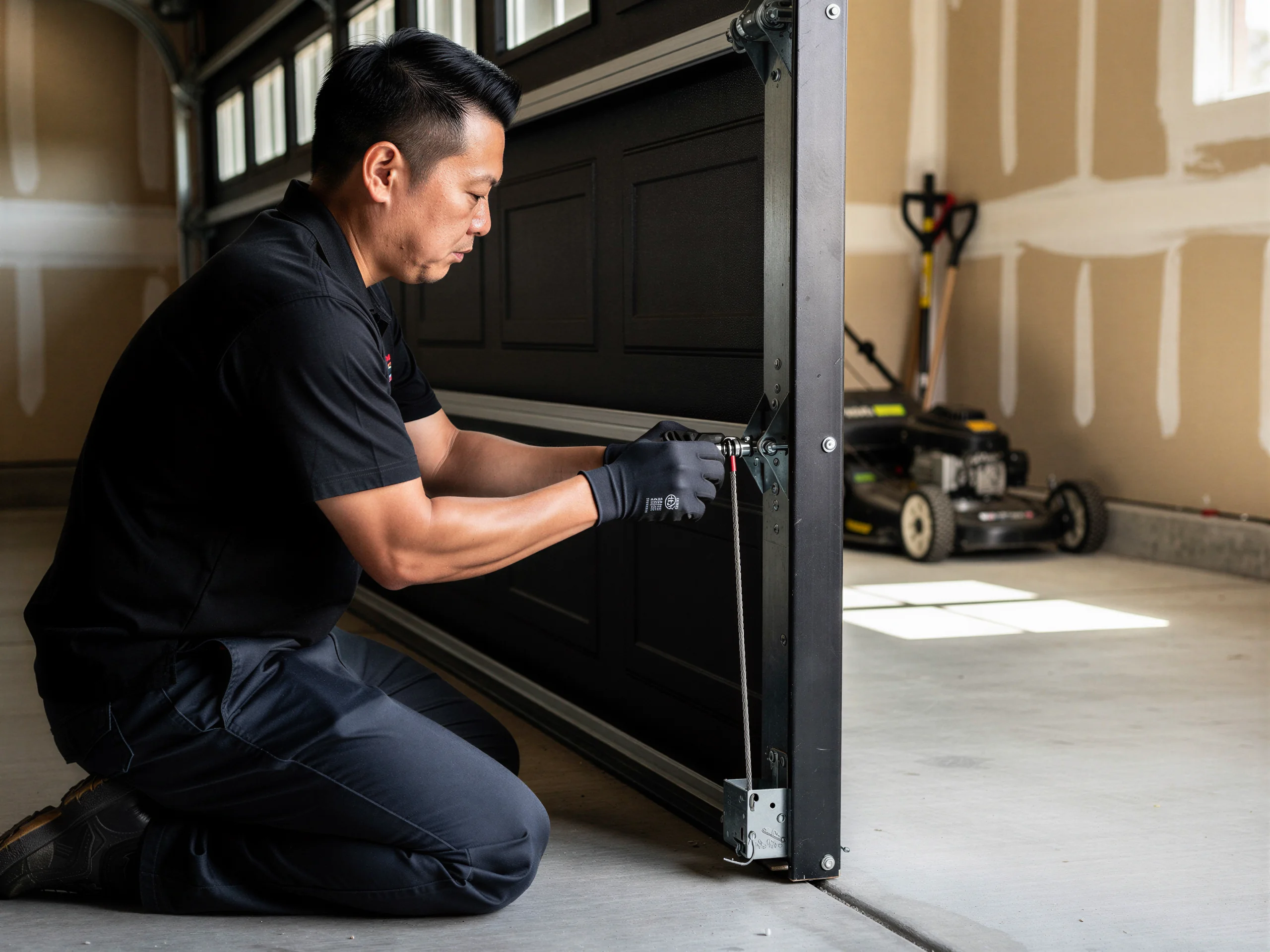
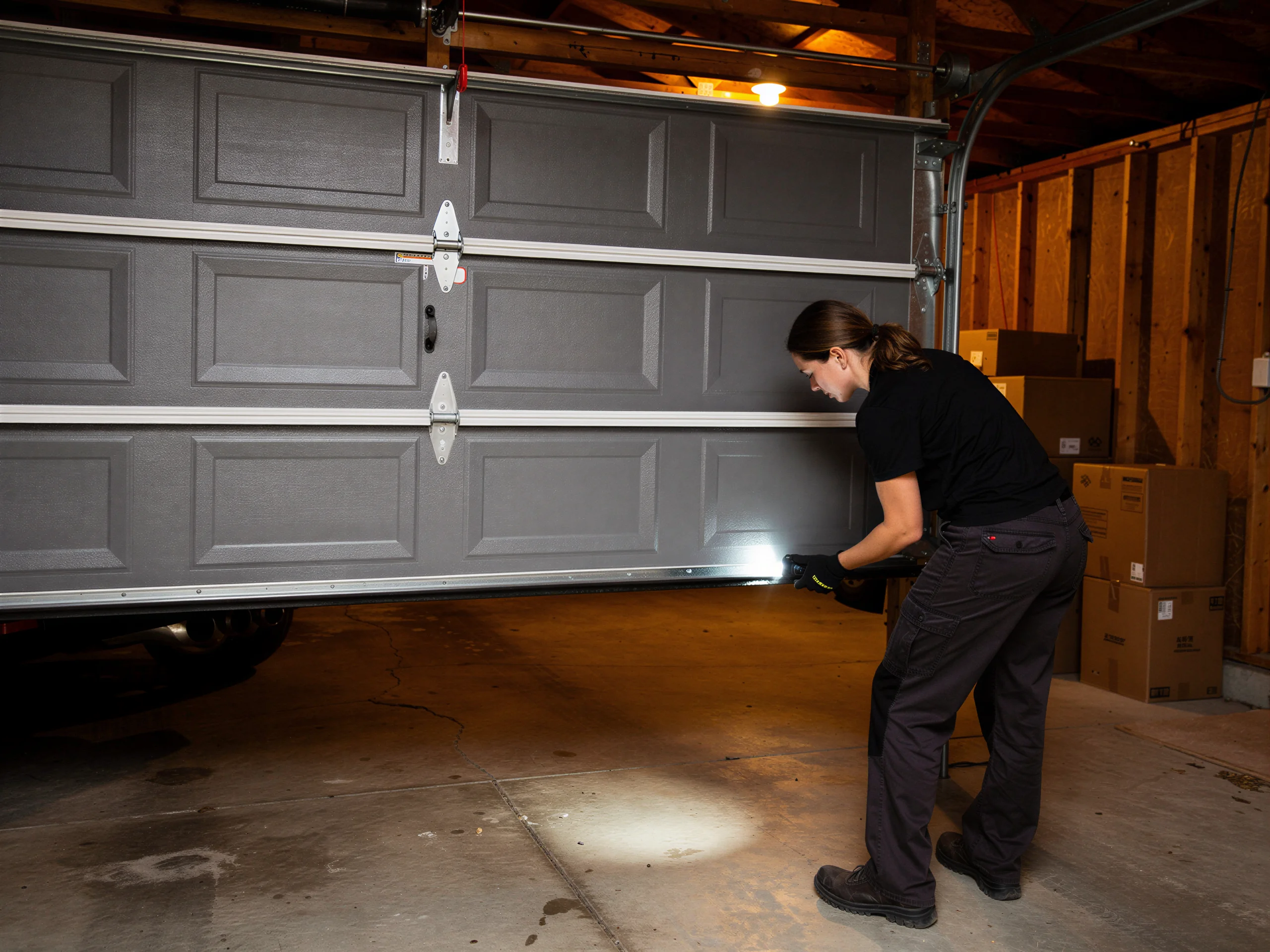
We run out of Sioux Falls, and Brandon sits about 8 miles out, close enough that a maintenance call is a normal stop on the route rather than a special trip. On site, we go through the door section by section - springs, cables, rollers, track alignment, opener settings, and seals - and flag anything that's close to the end of its working life before it fails on its own schedule. If something needs replacing, we'll walk you through why and what it costs before we start. If the door just needs lube, tightening, and a balance check, that's most of what a 2000s-era door actually needs.
Job timing
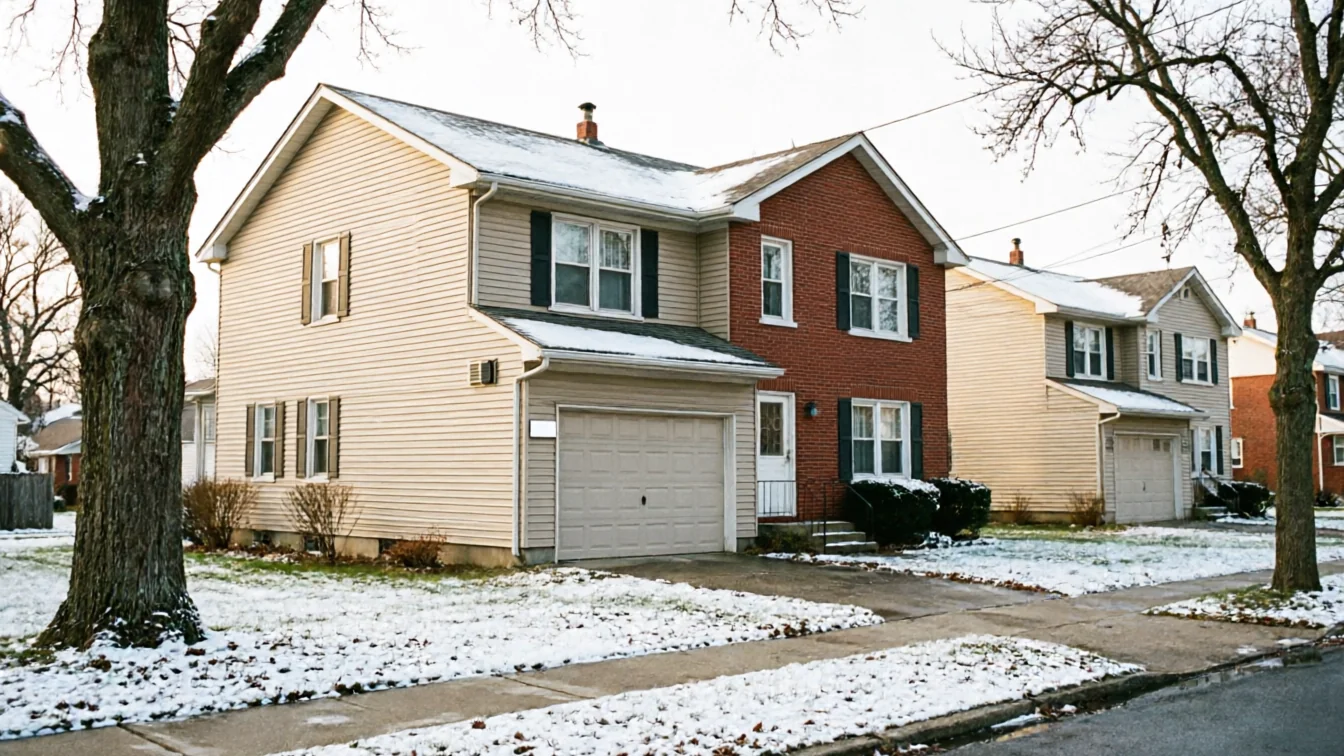
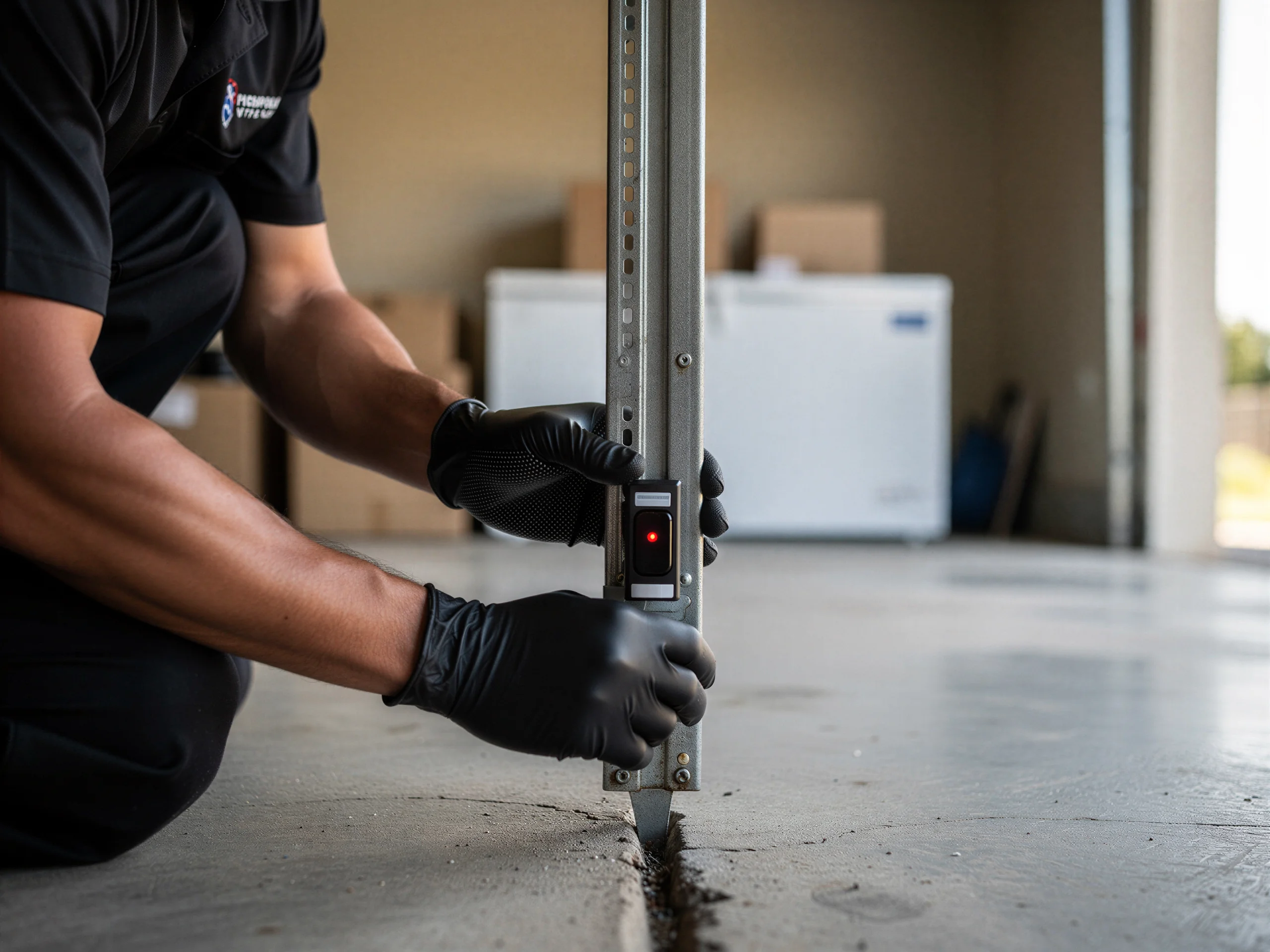
Most of Brandon went up around 2000, which means you're mostly looking at factory-finished steel sectional doors on overhead torsion springs - not the side-mounted hardware or wood panel doors you'd find in an older part of the metro. A maintenance visit on that kind of door runs through the whole system: spring tension and winding, cable fraying at the drum, roller wear in the track, hinge bolts, the opener's force settings, and the weatherseal at the bottom panel. On a door this age, most of what we find is wear that hasn't failed yet - a roller starting to flat-spot, a cable strand or two gone, a spring a few turns off from where it should sit. We're not diagnosing a breakdown. We're looking for the part that's six months from being one.
Pricing
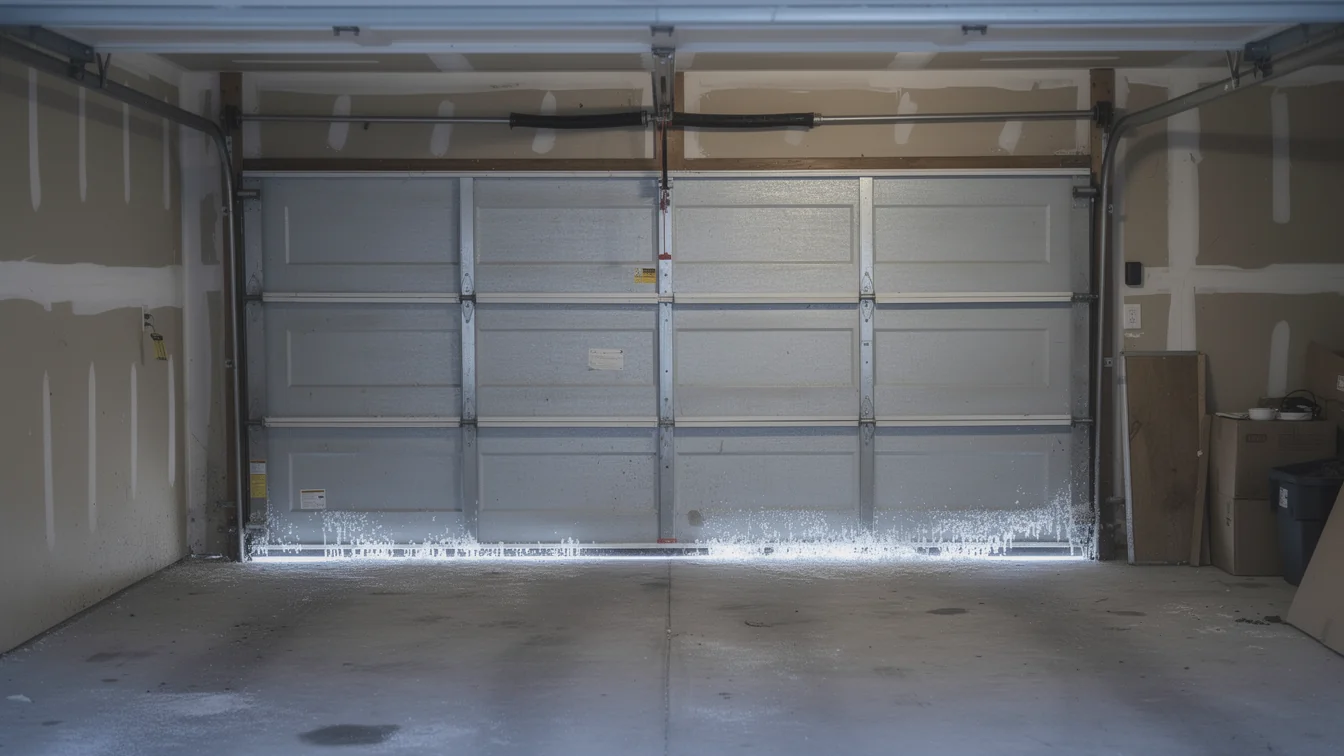
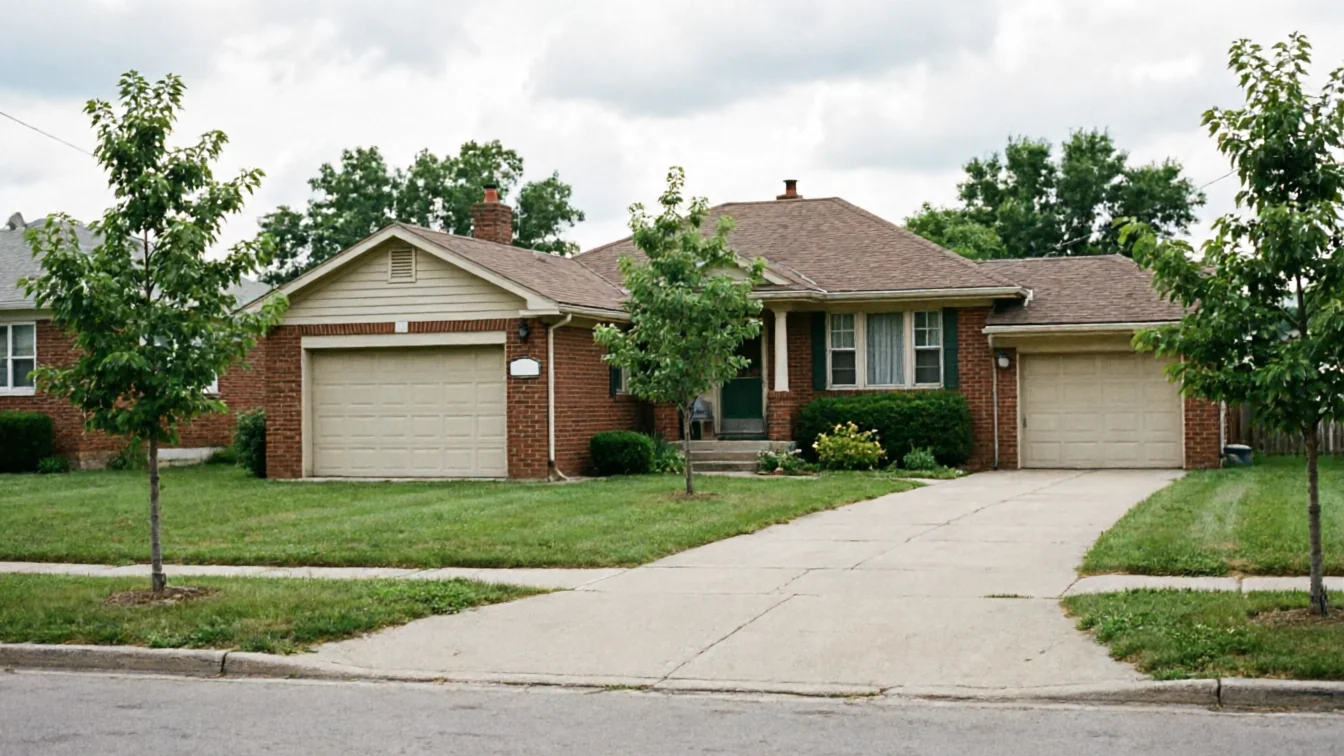
We don't publish a flat number for every house, because what a maintenance visit covers depends on the door - single versus double, how many springs, whether the opener needs a force adjustment or just a lube and check. We'll tell you the price before anything gets touched, not after. If you're trying to budget, the honest answer is that a steel sectional door built in the 2000s usually needs less work per visit than an older door with original hardware, simply because the components are newer and the torsion system is standard rather than improvised.
Watch-outs
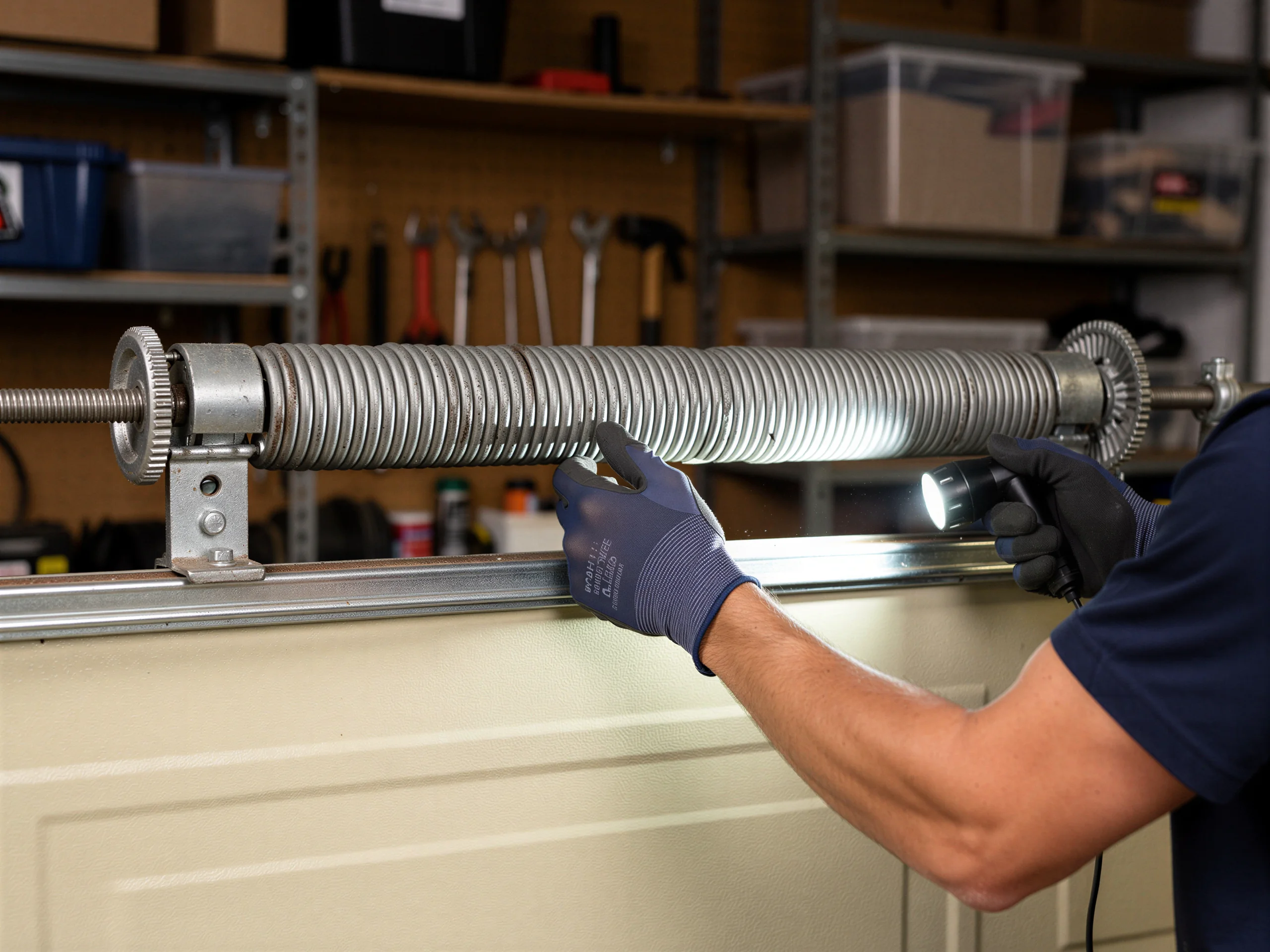
The failure we see most in houses built around 2000 isn't rust or rot - it's a torsion spring that's past its rated cycle count and nobody noticed because the door still opened fine right up until it didn't.
A spring doesn't usually give a warning. It winds down through thousands of open-close cycles and then snaps, often on a cold morning when the steel is stiffest.
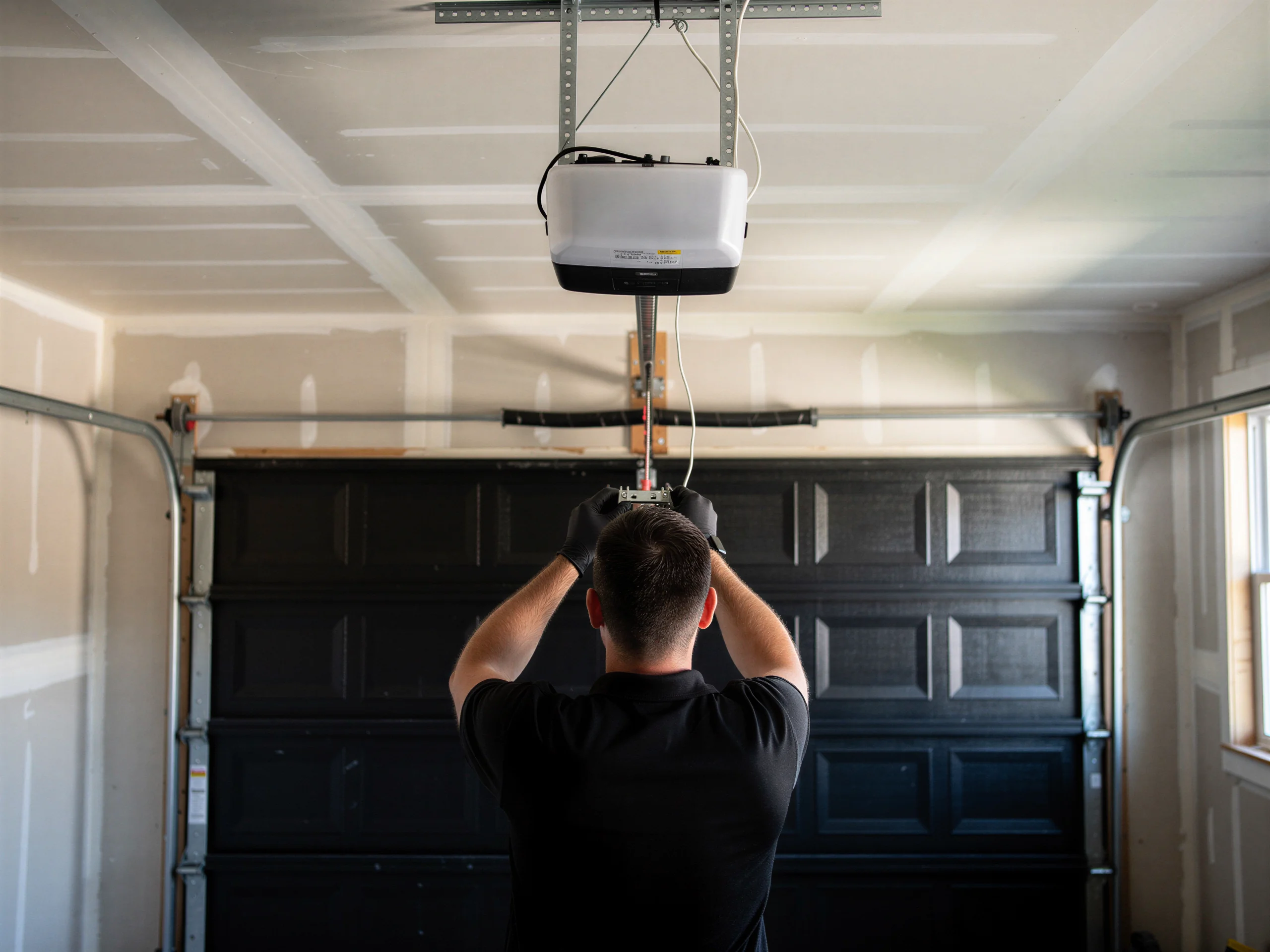
The other spot this goes wrong is the opener's travel and force limits drifting out of adjustment over the years, which either strains the door on every cycle or lets it reverse on something that isn't actually in the way. Both of those get caught in a maintenance check. Neither gets caught by waiting.
Local causes
This part of South Dakota sits in a severe cold climate band, and that matters more for garage doors than people expect.
Steel contracts in the cold, which loosens track bracket bolts and hinge screws over a winter without anyone touching them. Springs also lose some of their working tension in sustained cold, which is part of why a door that felt balanced in September can feel heavy by January.
None of this is damage exactly - it's seasonal drift, and it's the reason a yearly check matters even on a door that isn't acting up yet. A door built in the 2000s handles this better than an older one, but the climate doesn't care how new the steel is.
Questions
Once a year is standard for most steel sectional doors built in the last couple decades. If your opener runs on an automatic schedule or the door gets heavy daily use, twice a year catches spring and cable wear earlier, especially going into winter when cold makes everything stiffer and more brittle.
Torsion springs lose some working tension in sustained cold, and the opener has to work harder to compensate. It's seasonal, not necessarily a sign of failure, but it's worth having checked - a spring that's already near the end of its cycle life is more likely to break under that extra winter strain.
Most Brandon houses were built around 2000, which means the doors are newer than a lot of the surrounding area, but torsion springs are rated by cycle count, not calendar age. A door opened a few times a day for over twenty years can be closer to the end of its spring life than the house's age suggests.
Explore more
Ready when you are
Sioux Falls Garage Door Co repairs and installs garage doors, springs and openers in Sioux Falls, SD and the surrounding area.